Starmer’s final honours see Sadiq Khan join House of Lords as Reform UK excluded
London Mayor Sadiq Khan is among 26 new life peers appointed in Keir Starmer’s final honours, a move that precedes Andy Burnham’s expected ascension to the premiership on 20 July.
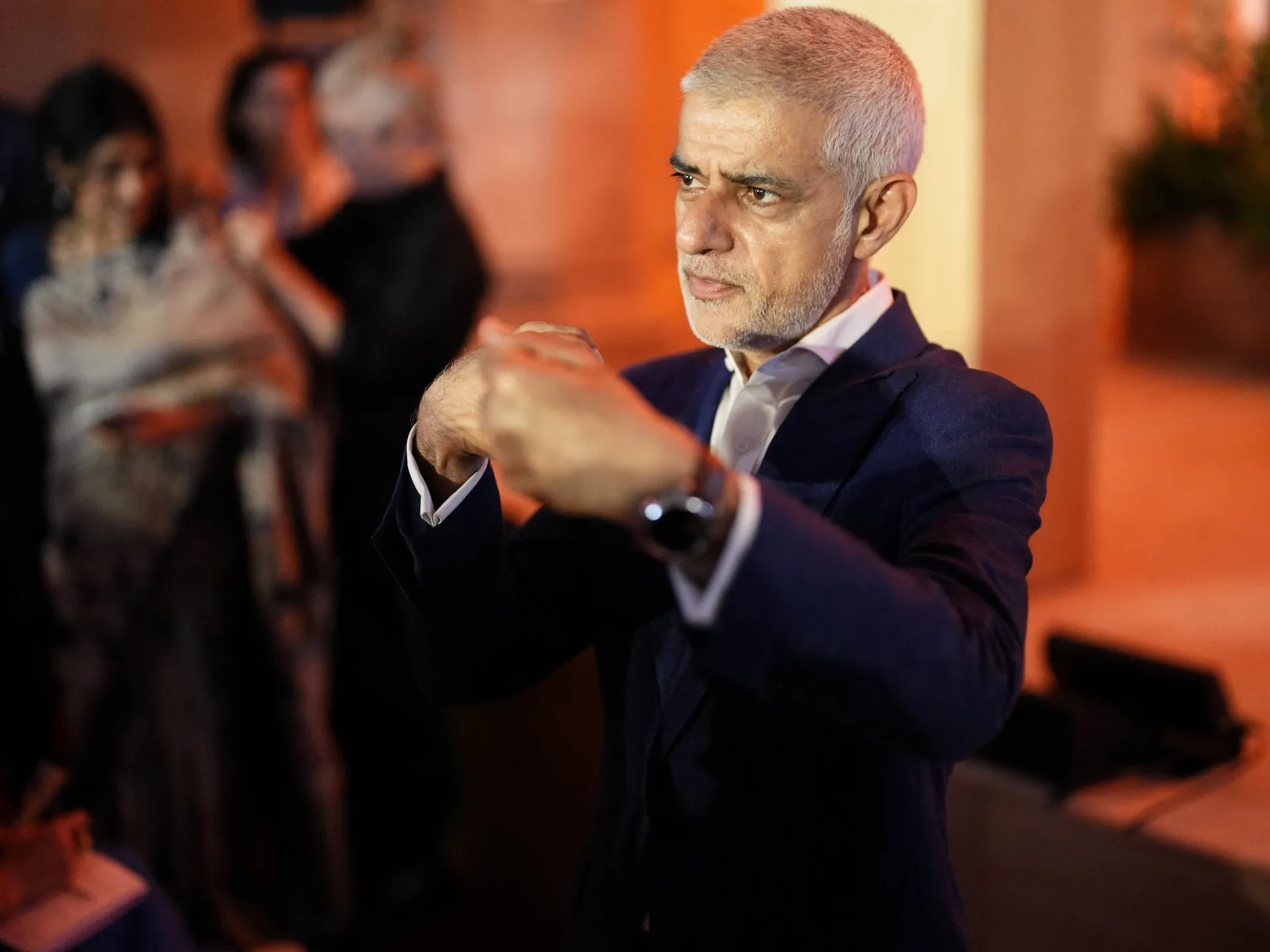
Outgoing British Prime Minister Keir Starmer has appointed London Mayor Sadiq Khan and 25 others to the House of Lords as life peers in his final honours list. The appointments, announced in Starmer’s final honours list, include figures from politics, philanthropy, the military, and business. The move occurs ahead of Andy Burnham’s expected succession as Labour leader and Prime Minister on July 20. The list comprises 16 Labour nominees, five Liberal Democrats, three Conservatives, and two crossbench peers, with no nominations awarded to Reform UK.
Sadiq Khan, a former Labour MP for Tooting and current London Mayor serving his third term since 2016, is among the 26 nominees. The breakdown of the 26 nominees is: 16 by Labour, 5 by the Liberal Democrats, 3 by the Conservatives, and 2 crossbench peers. Notable Labour nominees include human rights campaigners Parvais Jabbar and Saul Lehrfreund (co-founders of the Death Penalty Project) and Cathy Ashley (families’ rights campaigner and former head of the Holocaust Memorial Day Trust).
Conservative nominee includes former Chief of the General Staff General Sir Patrick Sanders. Liberal Democrat nominee includes economist Tim Leunig, chief economist at Nesta. One crossbench peer is former senior judge Sir Brian Leveson, who led the 2011 Leveson Inquiry into press conduct. No nominations were awarded to Reform UK, which holds seven seats in the House of Commons following Nigel Farage’s resignation.
Prior to these appointments, the Conservatives held 246 seats in the House of Lords, compared to Labour’s 216. Outgoing prime ministers traditionally recommend political peerages, allowing nominees to sit for life in the House of Lords to scrutinise, revise, and vote on UK legislation. Nigel Farage remains the leader of Reform UK. The House of Lords currently has an opposition numerical advantage over the governing party before these new appointments.
Farage, who remains the party’s leader, said: “Once again, there is nothing for Reform and we get an even more unrepresentative upper house.” The exclusion of Reform UK highlights the partisan nature of the honours system, even as the upper chamber remains structurally dominated by the opposition. The appointments mark a significant shift in the composition of the Lords before the new government takes office.
The new peers will now be able to sit in the House of Lords, where they can scrutinise, revise and vote on United Kingdom legislation as life peers. This process is a traditional function of outgoing prime ministers, allowing them to shape the legislative landscape for their successors. The inclusion of figures from diverse sectors, including social action and business, reflects the broad scope of Starmer’s final recommendations.
The appointments underscore the institutional continuity of the UK’s political system, despite the impending change in leadership. As Andy Burnham prepares to assume the role of prime minister, the new peers will immediately begin their work in the upper chamber. The lack of Reform UK representation ensures that the existing balance of power in the Lords remains largely intact, with the opposition retaining its numerical advantage.