Form Energy secures $750 million to scale iron-air battery production amid surging demand
Series G funding led by T. Rowe Price supports capacity for long-duration storage technology as U.S. energy storage installations rise 32 per cent in the first quarter of 2026.
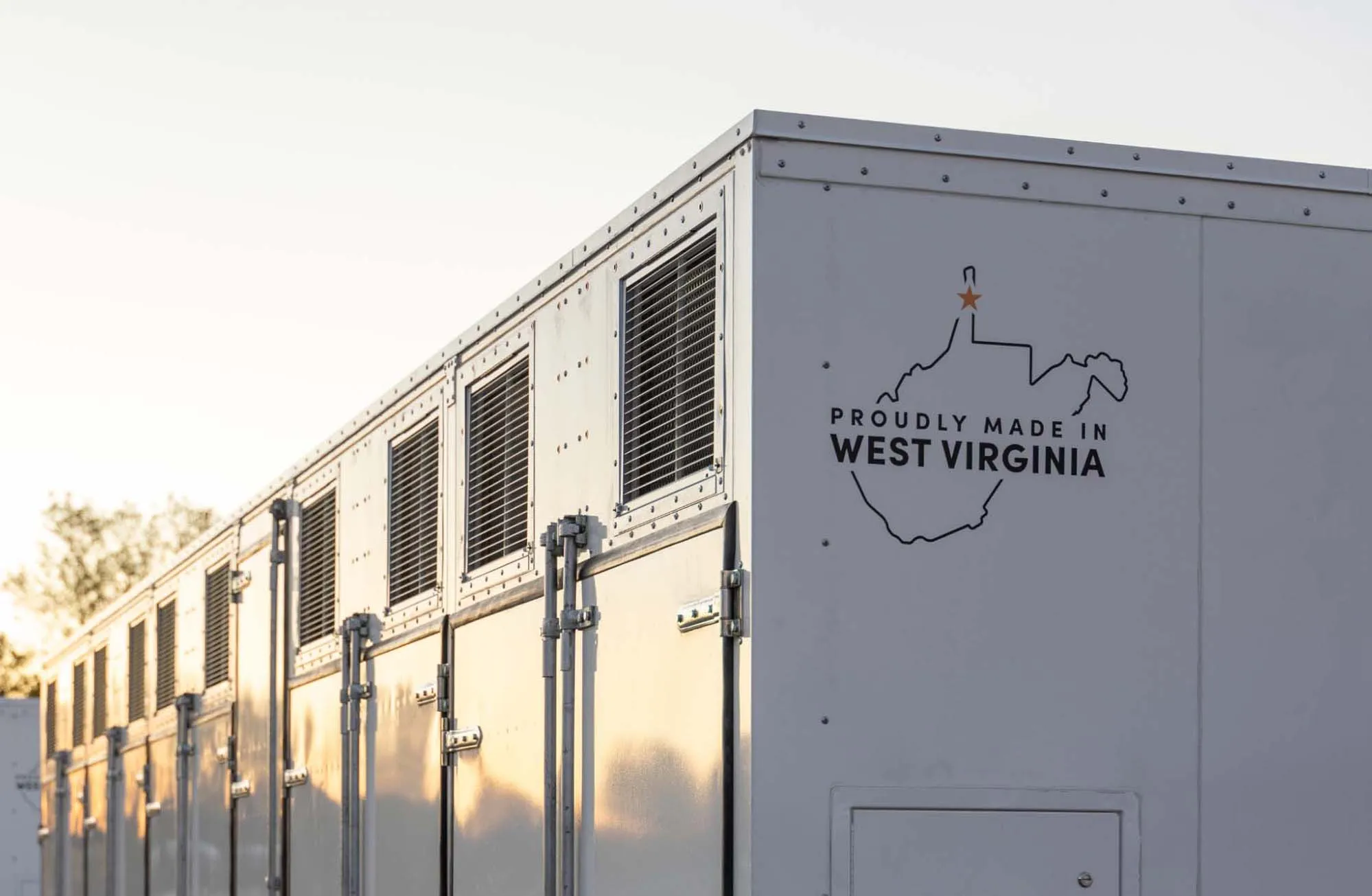
Battery manufacturer Form Energy has raised $750 million in a Series G funding round to expand its production facilities in West Virginia. The investment comes as demand for long-duration energy storage intensifies, driven largely by the rapid expansion of artificial intelligence data centres and broader grid infrastructure needs.
The capital raise is intended to meet a commercial project backlog of approximately 80 gigawatt-hours, a figure that has quadrupled since earlier this year. The company’s iron-air batteries are designed to discharge power for up to 100 hours, offering a solution for sustained energy supply that distinguishes them from conventional lithium-ion systems which typically provide only a few hours of backup.
Key customers underpinning this demand include Google, which is constructing a new data centre in Minnesota partially powered by a 30-gigawatt-hour Form battery system costing approximately $1 billion. Cloud infrastructure provider Crusoe committed to purchasing 12 gigawatt-hours of batteries in March, while utility provider Xcel Energy and FuturEnergy Ireland are also listed as clients.
Form Energy’s technology relies on a chemical process that oxidises iron to rust during discharge and reverses the reaction to restore iron during charging. This approach utilises abundant iron rather than expensive minerals such as lithium, cobalt, and nickel, potentially lowering storage costs. The company reports that approximately 80 per cent of its materials are sourced from the United States, with the remainder coming from Europe and Asia, explicitly excluding China.
The funding round was led by T. Rowe Price, with participation from Sequoia Capital, Janus Henderson, Franklin Templeton, PEAK6 Investments, and GE Vernova, among others. The investment arrives as the U.S. installed 9.7 gigawatt-hours of energy storage in the first three months of 2026, representing a 32 per cent increase from the same period in 2025.
Data centres are expected to quadruple their electricity consumption in the U.S. by 2035, accounting for roughly 20 per cent of all generated electricity. This surge in demand has accelerated the need for renewable integration, with long-duration storage viewed as critical to bridging supply gaps as renewables are projected to make up more than 90 per cent of new generating capacity this year.