Florida primaries test redistricting strategy amid deepening ideological fractures
Voters head to the polls in a contest defined by the legacy of Ron DeSantis, the retention of Marco Rubio’s Senate seat, and intense debates over foreign policy and identity politics.
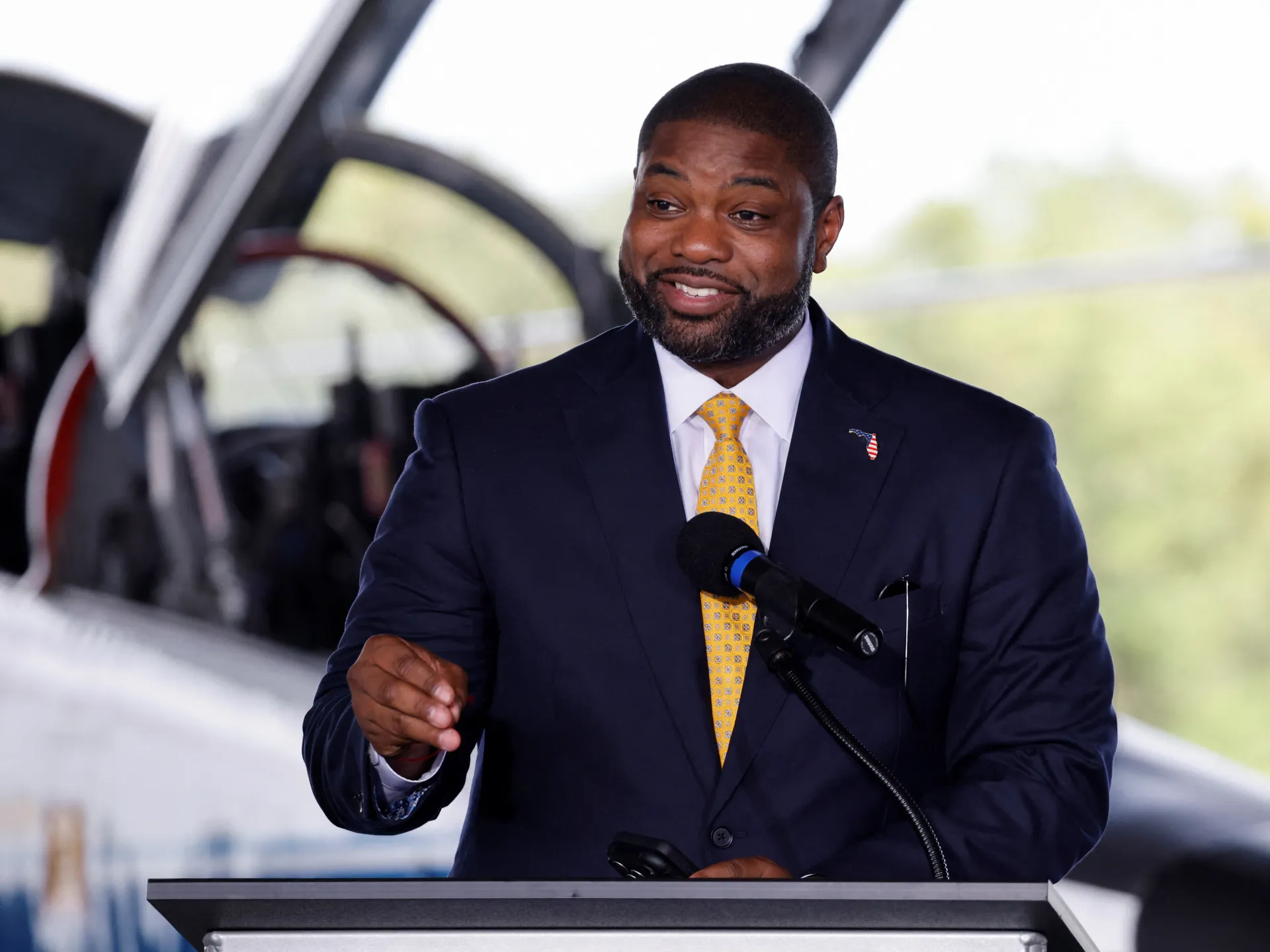
Florida voters are participating in primary elections on Tuesday to select party nominees for key state and federal positions ahead of the November general election. These contests mark the first elections conducted under new congressional districts signed into law in May, which were redrawn by the Republican-led state legislature to favour right-wing candidates. The redistricting effort is part of a broader strategy under President Donald Trump to secure Republican control of Congress in the upcoming midterms.
In the Republican gubernatorial primary, the field is crowded as candidates vie to replace term-limited Governor Ron DeSantis. Congressman Byron Donalds is leading the polls and holds the endorsement of former President Donald Trump. If elected, Donalds would become the state’s first Black governor. His competitors include Lieutenant Governor Jay Collins, former State House Speaker Paul Renner, and businessman James Fishback. DeSantis has not endorsed a successor, ending a decade of governance that shifted Florida from a swing state to a Republican stronghold.
The Republican Senate primary seeks to fill the remainder of Marco Rubio’s term, which he vacated in early 2025 after being appointed Secretary of State. Former Attorney General Ashley Moody, who has held the seat since Rubio’s departure, is the frontrunner. A University of North Florida poll indicates Moody has stable support at 50 percent against potential Democratic opponents, with Angie Nixon at 42 percent and Alexander Vindman at 40 percent. Vindman, a former National Security Council aide, is competing for the Democratic nomination alongside Nixon.
Congressional races are characterised by intense debates over Islamophobia, anti-Semitism, and the Israeli-Palestinian conflict. Representative Randy Fine, known for his staunch pro-Israel stance and anti-Muslim rhetoric, faces primary challenges from internet personality Daniel Bilzerian, who released an AI-generated video containing anti-Jewish comments. Meanwhile, Representative Debbie Wasserman Schultz faces a primary challenge in the new 20th congressional district from Black Democrats, including Elijah Manley and Dale Holness, due to redistricting and demographic shifts.
On the Republican side, incumbent Cory Mills faces a primary challenge amidst an ongoing House Ethics Committee investigation and allegations of assault and revenge porn threats. Mills, who was endorsed by Trump last February, has seen the former president reportedly distance himself from the legislator. In the Democratic primary, Congressman Jared Moskowitz faces a strong challenge from democratic socialist Oliver Larkin, who has recognised Israel’s war on Gaza as genocide, highlighting the growing divide between the Democratic establishment and progressive factions.