Flock faces scrutiny over privacy loopholes in police surveillance network
Despite recent platform updates aimed at preventing misuse, police technology firm Flock continues to face backlash for allowing unverified case numbers and retaining vast amounts of data across its national network.
Police technology company Flock has introduced platform updates to prevent misuse, such as stalking, following reports of officers abusing license plate reader data. However, critics argue the changes contain significant loopholes, including the lack of verification for entered case numbers, and fail to address broader mass surveillance concerns. Civil liberties groups and some cities are pushing back against the technology, with some cancelling contracts and states considering bans. The article suggests that Flock’s business model relies on extensive data collection and sharing, which could be narrowed to better balance crime-solving capabilities with civil liberties.
The Washington Post recently identified 50 cases in which officers misused systems from Flock and its competitors, often to stalk and harass women. One woman in Wisconsin alleged that her officer ex-boyfriend searched for her car 179 times, while another was being stalked by a police chief with no internal reporting mechanism. In response, Flock announced changes last Thursday, including software to flag abnormal searches and a requirement for officers to enter a criminal case number before running a search.
Despite these new safeguards, Flock confirmed to MIT Technology Review that it does not verify the entered case numbers. This allows officers to input bogus numbers, mirroring previous instances where personnel lied to bypass other company safeguards. Critics argue that a more robust system would require case numbers that match police department records, providing a stronger safeguard and a more useful audit trail, even if it involves more intrusive integration.
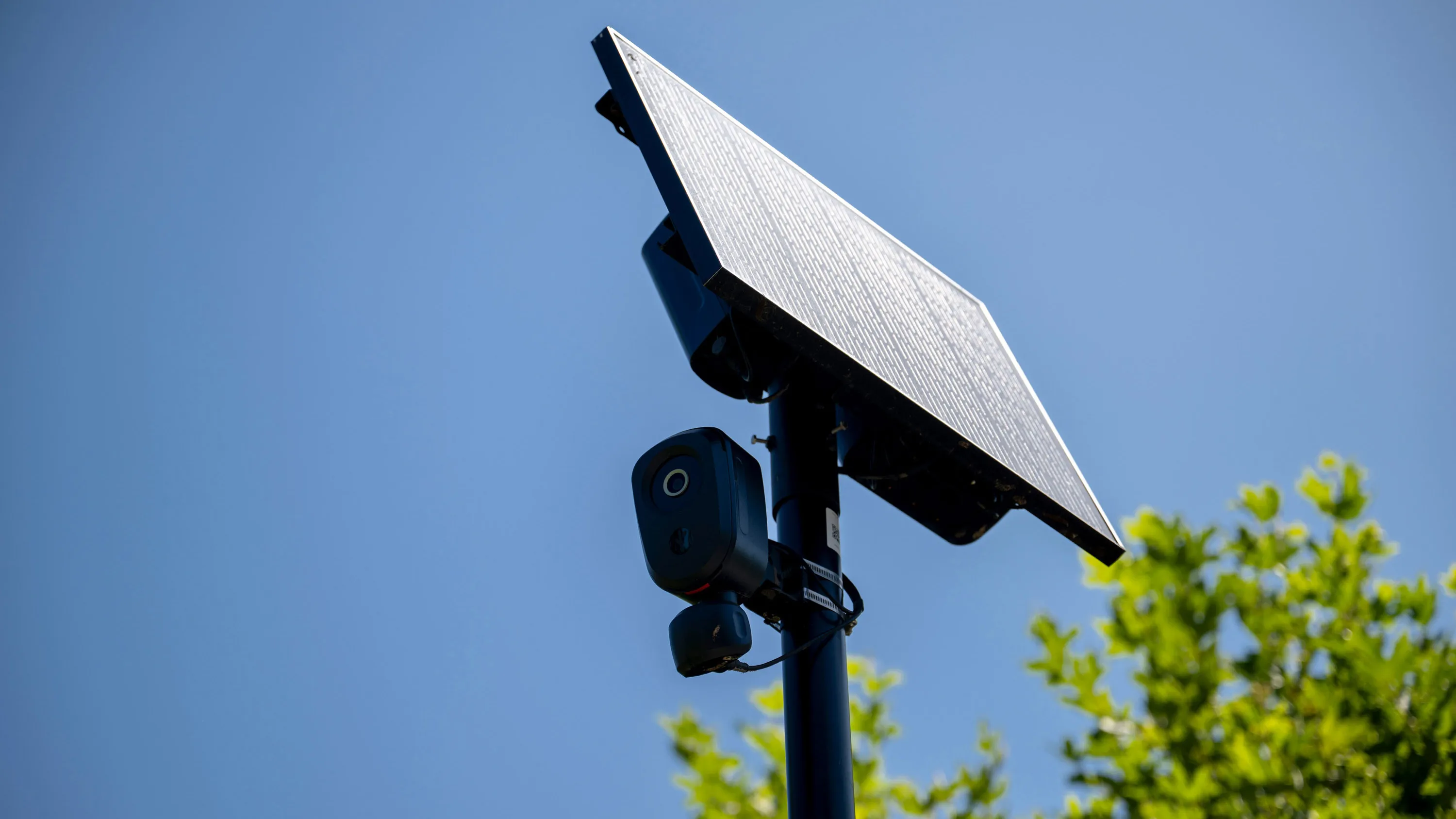
Flock operates a network of approximately 120,000 automatic license plate readers across the US, leveraging the technology into a massive national network for data collection and sharing. While the company cites efforts to find missing persons or kidnapping victims as a primary use case, its current model allows police in one jurisdiction to search data collected in another, with agencies retaining that data for months or years. Flock recently changed its recommended retention time to seven days, although agencies can retain data for longer.
Chad Marlow, senior policy counsel at the ACLU, stated that the most acceptable Flock contract is one that is never signed and emphasised that new laws, rather than company guidelines, are needed to limit surveillance. Flock CEO Garrett Langley stated he holds a different view than the ACLU. The company’s valuation is reported at $8 billion, a figure underpinned by its ability to offer police departments a modernised way to access not just their own data but that of others.
Some cities have cancelled contracts with Flock, while others are waiting as residents consider new rules for police technology use. The growing backlash suggests that communities may soon drive their own bargains about how technology can be used to solve crime and how much surveillance people should have to accept for it to do so. Narrowing the scope of the technology to only share data as widely and for as long as it is actually useful could help balance these competing interests.