First Transmissible Cancer Identified in Freshwater Fish
An international team of researchers has published findings in Nature confirming the first known case of contagious cancer in a freshwater ecosystem, marking a significant discovery in oncology and environmental science.
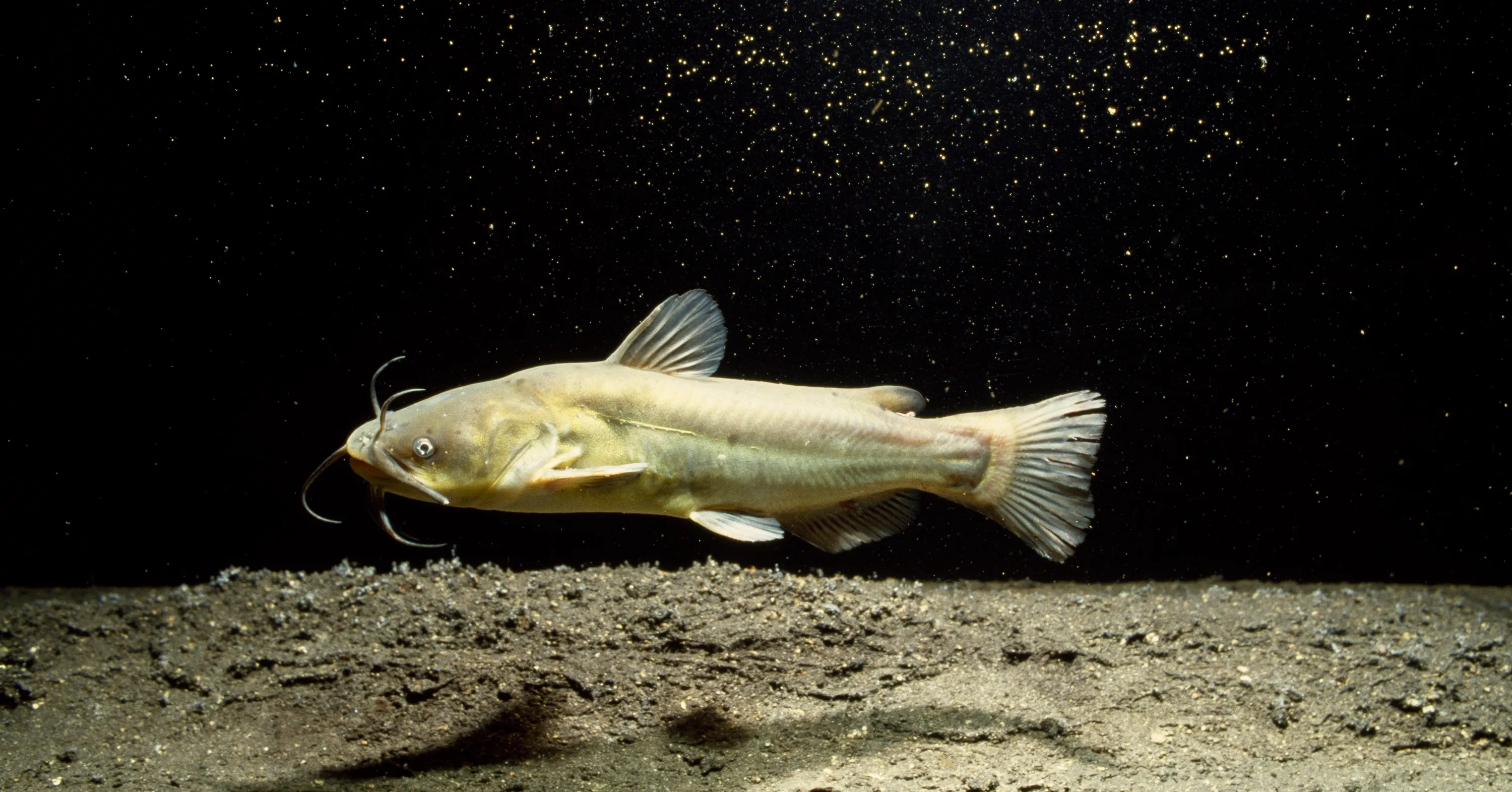
An international team of researchers has identified the first known transmissible cancer in a freshwater fish species, specifically a melanoma affecting the brown catfish (Ameiurus nebulosus) in Lake Memphremagog. The lake straddles the border between Vermont in the United States and Quebec in Canada. The findings, published this month in the journal Nature, indicate that the tumour cells are clonal and genetically distinct from their hosts, suggesting the cancer spreads between individuals rather than arising independently.
The outbreak was initially detected in 2012, when fishermen and biologists observed an unusually high number of catfish with black lesions. Subsequent studies revealed that between 23 per cent and 37 per cent of examined specimens had malignant melanomas. This incidence rate was surprising for a bottom-dwelling fish, leading researchers to initially suspect toxic substances or pathogens linked to pollution, particularly following flooding from Tropical Storm Irene in 2011.
To understand the cause, the team sequenced the complete genomes of tumours and healthy tissues from affected fish. The results showed that tumour cells from different fish were more closely related to each other than to their respective hosts. Hundreds of thousands of genetic variants appeared repeatedly in the tumours but were absent from the healthy tissues of the same fish, a pattern described as a hallmark of transmissible clonal cancer. In contrast, human melanomas typically present mutations unique to each patient.
Researchers also examined the samples for viruses or bacteria but found no specific microorganisms associated with the tumours. While they noted elevated levels of arsenic in the tumour cells and a correlation with areas of high natural arsenic concentration, they cautioned that this does not prove causation. The study suggests transmission may occur during spawning due to close physical contact, or via tumour cells surviving in water or sediments and entering other fish through the skin, gills, or mouth.
The phenomenon appears to affect only larger, spawning-age fish, leading to hypotheses that hormonal changes associated with reproduction may alter immune responses, facilitating the establishment of cancer. Lake Memphremagog supplies drinking water to more than 175,000 people. While the discovery offers potential insights into cancer biology, researchers advise against consuming affected fish.