First Prosecution in Tupac Shakur Murder Case Begins in Nevada
Las Vegas court proceedings mark the first criminal action in the 1996 case, with prosecutors alleging a calculated act of revenge and a judge admitting the defendant’s memoir as evidence.
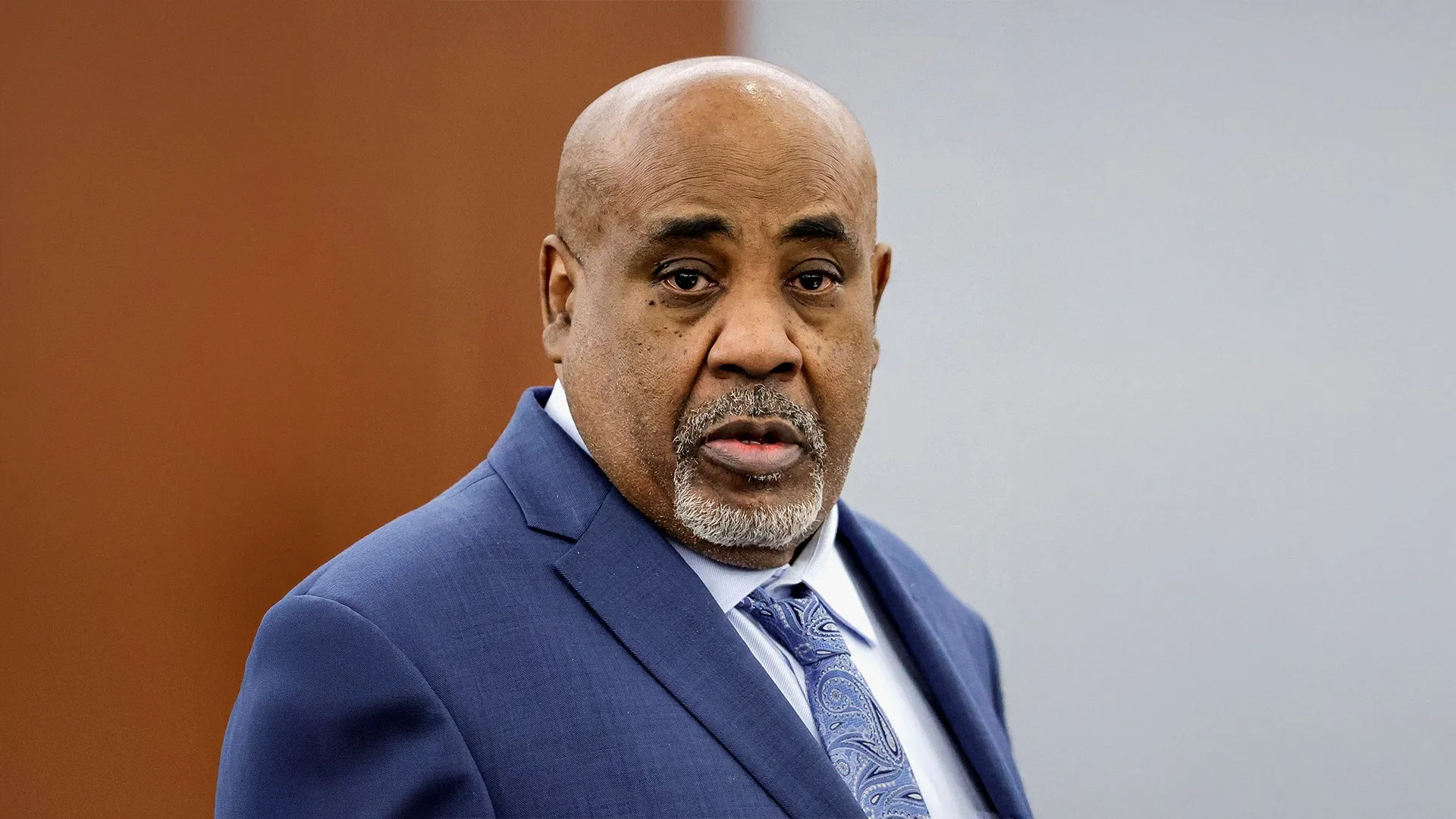
The first prosecution in the 1996 murder of rapper Tupac Shakur has commenced in Las Vegas, Nevada, thirty years after the fatal drive-by shooting. Duane ‘Keffe D’ Davis, a former leader of the South Side Compton Crips, is standing trial charged with one count of murder using a deadly weapon. The proceedings represent a significant legal development in a case that has remained unresolved for three decades.
Prosecutors are currently presenting their case, characterising the incident as a calculated act of revenge against the musician. Shakur, also known as 2Pac, was 25 years old when he was wounded in the attack that ultimately proved fatal. The trial is expected to last up to six weeks, during which the court will determine whether Davis bears criminal responsibility for the death that has long been regarded as a tragedy within the music industry.
A key procedural ruling has complicated the evidentiary landscape of the trial. A judge has determined that Davis’s 2019 memoir can be admitted as evidence, despite objections from the defence. This decision allows the text to be considered by the court, even though Davis has publicly distanced himself from the book, claiming that parts of it were fictionalised to increase sales.
The defence has sought to exclude the memoir from the trial, arguing against its admissibility. Davis’s assertion that the text contains fabricated content introduces doubt regarding its reliability as a factual record. The extent to which the court will accept the memoir as credible evidence remains a central point of contention as the trial progresses.
The outcome of the trial remains unknown as proceedings have just begun. The defence’s strategy to exclude the memoir may still influence the direction of the case, while prosecutors continue to build their argument around the allegation of premeditated revenge. The trial marks the first time a defendant has faced criminal charges in connection with the shooting.