First Nations Fashion and Design present independent runway showcase ahead of Australian Fashion Week
Six brands and designers, including Merrepen Arts and Grace Lillian Lee, unite to highlight the intersection of traditional artistry and contemporary fashion on the eve of the industry's biggest event
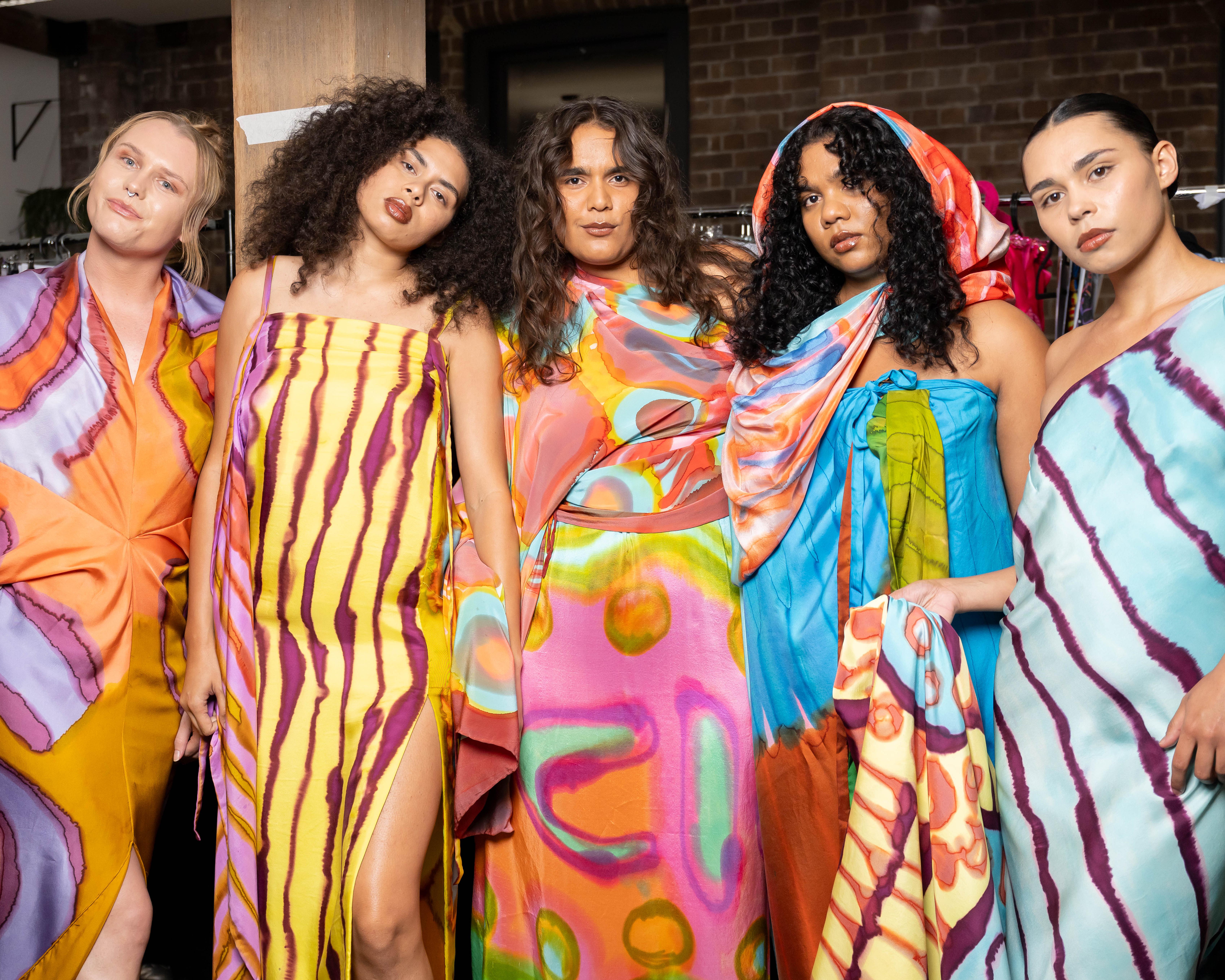
On the eve of Australian Fashion Week, the First Nations Fashion and Design collective hosted an independent runway showcase that celebrated the convergence of Indigenous creativity and modern style. The event featured collections from six distinct brands and designers, offering a vibrant preview of the season's cultural power and aesthetic direction.
The presentation highlighted the diverse output of Merrepen Arts, Grace Lillian Lee, KingKing Creative, Nungala Creative, Tjarlirli and Kaltukatjara Art, MumRed, and Ulupna. Each brand brought a unique narrative to the runway, ranging from holiday-ready screen prints crafted in partnership with major labels to sculptural body sculptures and punk-inspired suiting.
Specific artistic lineages were central to the evening's storytelling. Grace Lillian Lee showcased her signature grasshopper weaving technique, a method passed down from her mentor, Dr Uncle Ken Thaiday. Meanwhile, the sisters behind KingKing Creative, Tarisse and Sarrita King, presented lightweight suiting designed to bring the beauty and stories of their deadly culture into everyday life.
Cultural significance was woven throughout the garments, with Tjarlirli and Kaltukatjara Art creating silk pieces that connected the fabric's natural movement to pirriya, or breeze, showcasing Ngaanyatjarra and Pitjantjatjara heritage. The Ulupna coat, worn by rapper Barkaa, stood as a poignant tribute, translating to strong woman in the Yorta Yorta language and designed in memory of Gloria Lexi Matthews.
The atmosphere was further energised by the presence of TV presenter Bianca Hunt, whose appearances on the runway elicited cheers from the crowd. The evening's performances, including spoken word by Luke Currie-Richardson and music by William Barton, culminated in a standing ovation after Richardson led attendees in a chant affirming Aboriginal land.