Fire exposes accountability gaps at $3.2 billion Lake Mariner AI data centre
A fire at TeraWulf’s unfinished New York facility has raised questions over emergency preparedness, corporate responsibility, jobs, energy claims and costs for the host community.
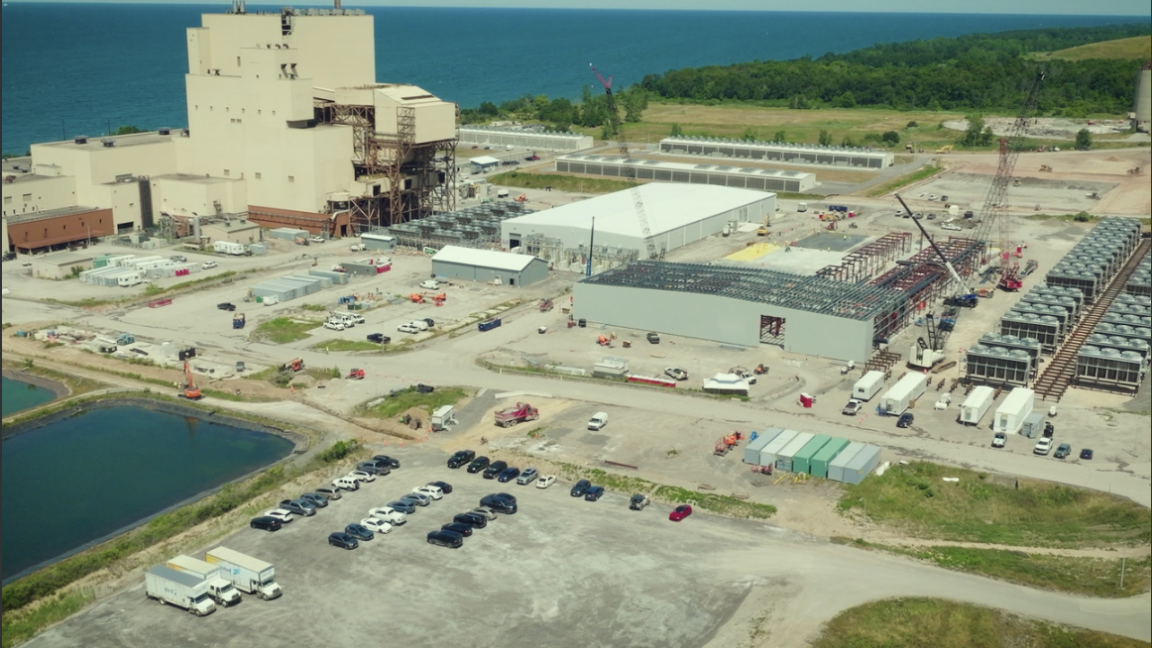
A fire at the unfinished Lake Mariner AI data centre in Somerset, New York, has exposed reported gaps in emergency preparedness at a project involving TeraWulf, Fluidstack, Google and Anthropic.
Firefighters reportedly encountered no working alarm, fire-suppression system or functioning hydrants, while safety data sheets were said to have been lost in the blaze. The local fire chief said crews entered the building without knowing which chemicals were producing heavy smoke. No one was injured, and construction continued.
TeraWulf, which owns and operates the facility, said it was responsible for operational safety and emergency preparedness. The company said it had introduced Knox boxes, additional hydrants and safety-data-sheet “go-bags” after an after-action review. The fire chief said in mid-August that the hydrants were, as far as he knew, still dry.
The incident has sharpened broader questions about the project’s accountability. Fluidstack is expected to run the centre, Google guarantees Fluidstack’s lease payments and holds warrants for a potential 14 per cent stake in TeraWulf, while Anthropic is among the intended customers. Lake Mariner is planned to draw up to 500 megawatts from the NYISO Zone A grid.
Community concerns also include employment, noise, water use and electricity costs. A 2019 application reportedly forecast 165 permanent jobs, while a 2024 planning presentation put expected employment at 35 to 40 positions. Anthropic has committed to cover certain electricity-price and grid-infrastructure costs for the facility, but questions remain over how other impacts and commitments will be verified.
TeraWulf’s descriptions of the site’s power have also shifted from “95 percent zero-carbon” to “91 percent low-carbon”. The companies do not appear to publicly verify the facility’s actual clean-energy share, and it remains unclear whether its electricity meets Google’s real-time clean-power standard or Anthropic’s expectations.
New York’s broader data-centre legislation remained unsigned three months after passage. A separate one-year moratorium on some new hyperscale data-centre permits does not apply to Lake Mariner, which was permitted before the policy took effect.