Financial necessity drives Filipino seafarers back to high-risk maritime zones
The Philippine Department of Migrant Workers urges shipowners to avoid conflict zones, but veteran sailors report that economic pressure and life insurance policies compel them to accept deployments in active war zones.
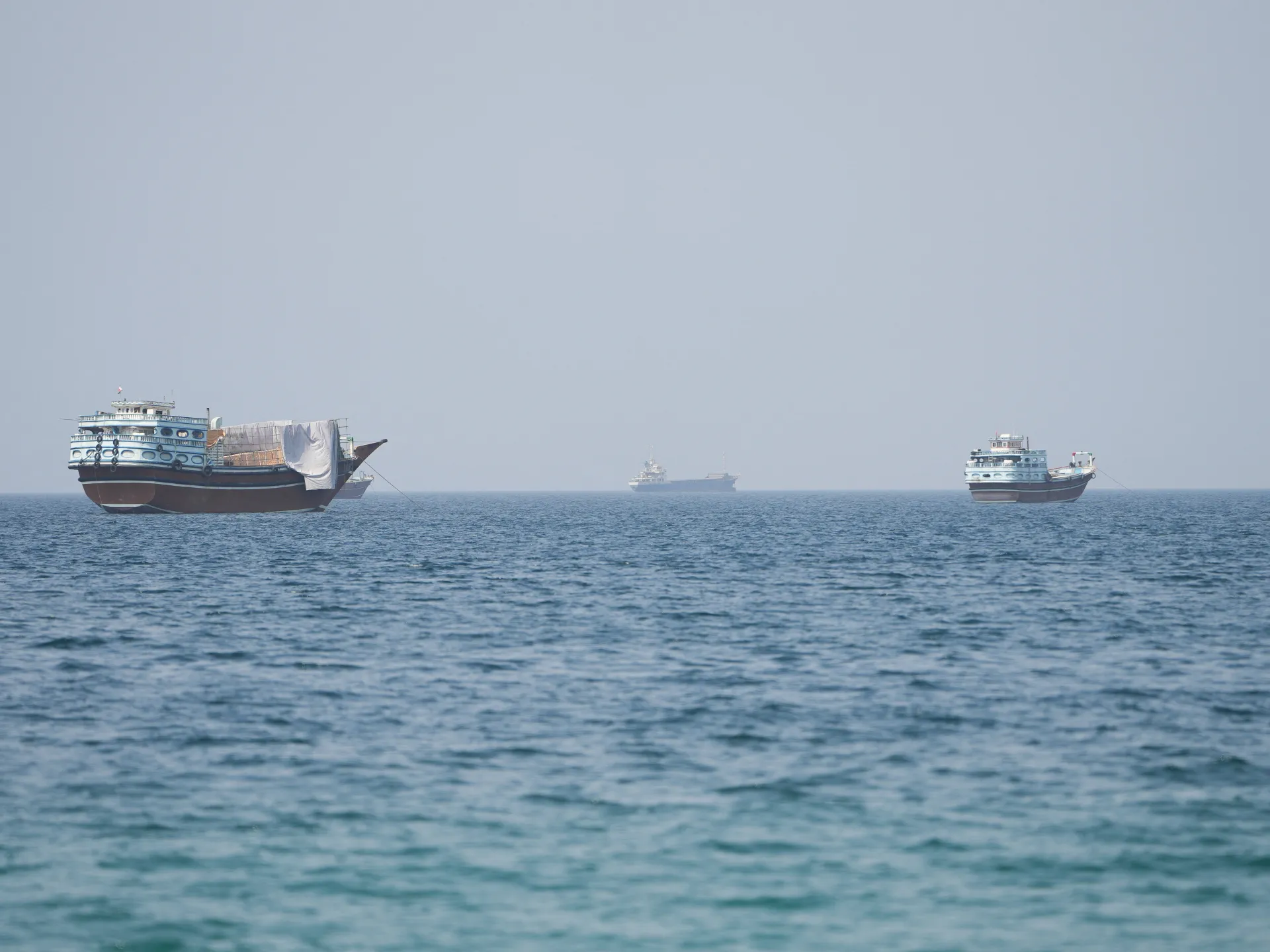
Applicants at shipping agencies in Manila continue to queue for maritime employment, undeterred by escalating hostilities in the Strait of Hormuz and the Black Sea. While the Philippine government has appealed to shipowners to avoid high-risk areas and reminded crew members of their right to refuse deployment, financial imperatives remain the primary driver for Filipino seafarers returning to volatile waters.
Gerald, a veteran commercial seafarer with 15 years of experience, is preparing to board a cargo vessel near Fujairah in the United Arab Emirates. He was stranded for two months during the closure of the Strait of Hormuz following US-Israel air attacks on Iran in late February. During that period, Gerald and his colleagues survived disrupted rations by fishing on deck while hiding from intercepted missiles and potential shrapnel.
The conflict effectively closed the waterway, trapping nearly 20,000 sailors on 1,500 ships at the height of the crisis in March. According to International Maritime Organization data from July, approximately 2,500 of the 6,000 sailors stranded in the Strait of Hormuz are Filipino. At least 17 sailors have been killed in attacks since the closure began.
Although an interim deal in June allowed more than 60 stranded sailors to return home, the Department of Migrant Workers reports that the majority of Filipino crew members on vessels that have since transited the strait remain on board. Gerald noted that his earnings from previous deployments allowed him to purchase property and build a house for his parents, describing the role as the only stable income source available to him.
Compounding the risks in the Gulf is the intensifying Russia-Ukraine war, which has led to increased attacks on merchant vessels in the Black Sea. In July alone, 35 ships were struck, resulting in the deaths of more than 20 sailors, including at least three Filipinos. Alberto Lobaton, another sailor preparing for deployment, witnessed an explosion approximately 300 metres from his ship last year.
Lobaton stated that while he is concerned for his safety, the financial rewards outweigh the dangers. He indicated that life insurance would secure his family’s future, expressing a preference for death at sea over other risks. The Philippine government continues to urge shipowners to disembark Filipino crew in high-risk areas, but the economic reality for many seafarers remains unchanged.