Fighting intensifies as Houthis advance towards Yemen’s Marib and Taiz
The reported advance is putting pressure on the internationally recognised government’s last northern stronghold and a key route linking Yemen’s interior to the Red Sea.

Fighting in Yemen has intensified around Marib and Taiz as Iran-backed Houthi forces advance towards positions held by forces affiliated with the internationally recognised government. Al Jazeera Global News reported that government forces, reportedly supported by Saudi Arabia, have launched air attacks and counteroffensives.
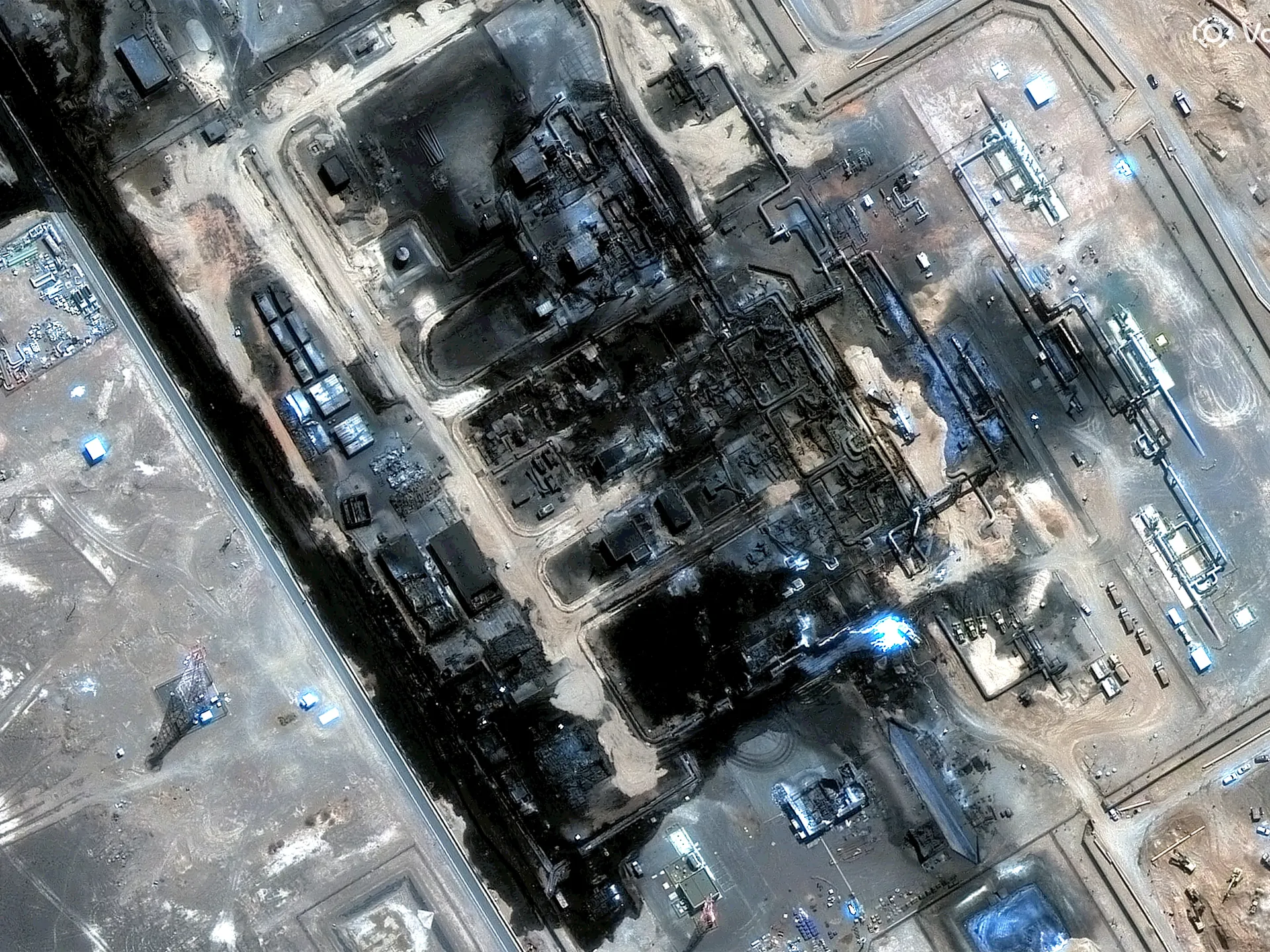
Marib is the government’s last remaining stronghold in northern Yemen and hosts the country’s largest oil and gas fields. Control of the region would provide access to important energy infrastructure and a potential source of revenue, while also weakening the government’s position and leverage in the north.
The fighting is also concentrated in western Taiz, a major population centre that links northern and southern Yemen with the Red Sea coast. Its geography makes it important for the movement of weapons and supplies between the interior and the southern port city of Aden.
The governorate’s western coast extends towards Mocha and the Bab al-Mandeb strait, which connects the Red Sea with the Gulf of Aden. The waterway lies between Yemen and Djibouti and carried about 12 per cent of global trade before fighting resumed.
Al Jazeera reported that the Yemeni army had released a video purporting to show Houthi positions and vehicles being bombed in Taiz. Reports have also indicated that Houthi forces captured Mocha and most of Yemen’s Red Sea coast, including Mayyun Island, although those territorial claims have not been independently established in the source material.
The conflict is displacing civilians across the region. The International Organization for Migration reported that more than 85,000 people had fled their homes since the beginning of September, while more than 2,000 reportedly crossed to Djibouti’s northern shores.