Russia and Ukraine push autonomous AI systems deeper into warfare
AI-enabled drones and battlefield-management systems are accelerating attacks while raising questions about human control, civilian protection and responsibility.
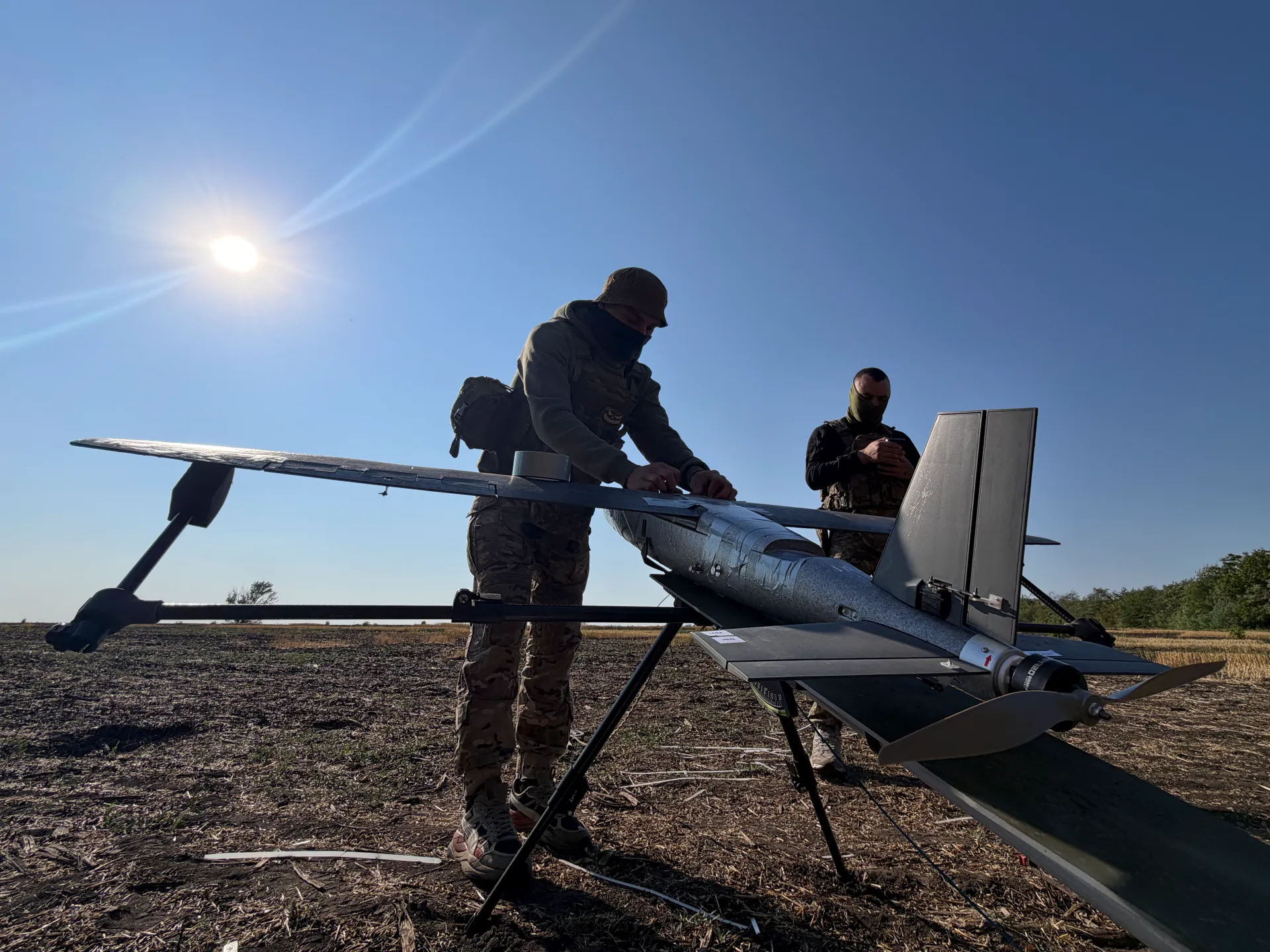
Russia and Ukraine are expanding the use of artificial intelligence in drones and battlefield-management systems, intensifying a race to automate reconnaissance, target identification and attacks, Al Jazeera reports.
A 6 July Russian drone strike at a gas station in Zaporizhzhia allegedly involved the first recorded use of a fully autonomous Russian attack drone, according to a New York Times analysis cited by Al Jazeera. Three civilians were killed. Ukrainian officials examining the wreckage reportedly found a commercially available Nvidia computer that enabled the drone to identify and strike a programmed target, believed to be propane tanks.
The reported strike forms part of a broader effort to link battlefield data, reconnaissance and weapons. Ukraine is developing DELTA, while Russia has been rolling out the Svod Tactical Situational Awareness Complex to front-line units following operational trials in late 2025.
These systems are designed to process sensor data, map positions and distribute targeting information to military assets. Both sides reportedly say commanders retain final authority through decision-support systems, but analysts say it is unclear whether that amounts to meaningful human control when decisions are made under intense time pressure.
Ukrainian units are already using autonomous functions in “last-mile” operations. When electronic warfare or long distances disrupt a drone’s radio connection, onboard AI can reportedly take control, lock on to a target and complete the strike.
Analysts and industry figures expect autonomy to become more reliable and widespread over the next six to 12 months. They also warn that low-quality cameras, adverse atmospheric conditions and imperfect algorithms can make it difficult for AI systems to distinguish civilians from combatants, leaving unresolved questions over who is responsible for errors.