FIFA’s mandatory hydration breaks spark commercialisation row at 2026 World Cup
Critics argue the new rule, implemented across all 104 fixtures, prioritises broadcaster revenue over sporting integrity, with US coach Mauricio Pochettino and former player Carli Lloyd voicing strong opposition.
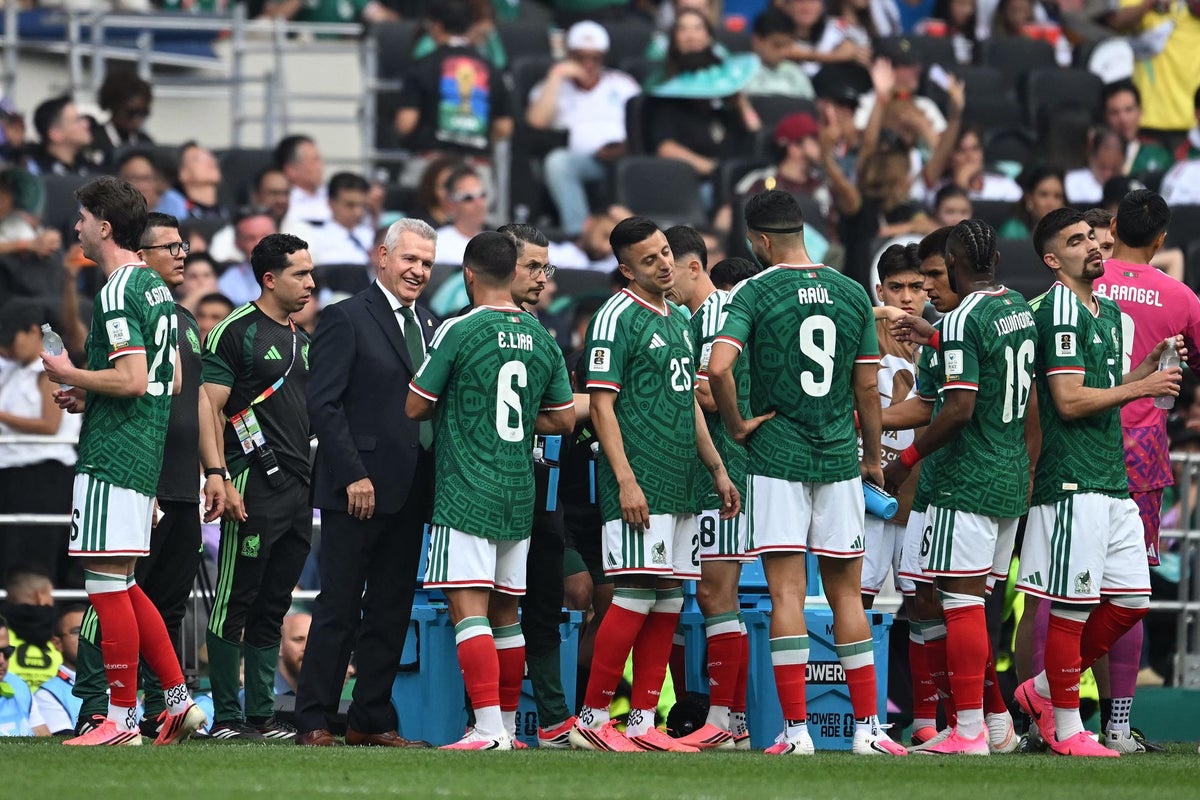
FIFA has introduced mandatory three-minute hydration breaks during every half of all 104 matches at the 2026 World Cup, a decision that has drawn sharp criticism from commentators, coaches, and former players. The governing body states the stoppages are designed to ensure optimal conditions for athletes, yet the implementation has been widely interpreted as a mechanism to facilitate lucrative advertising slots for broadcasters, particularly Fox Sports.
The policy was put into practice during a match in Mexico City, where temperatures were a mild 23C. Despite the comfortable conditions, the break was utilised to display advertisements for sponsors including Powerade, AT&T, Michelob Ultra, Lowe’s, and FanDuel. The interruption disrupted the momentum of the game, with stands beginning to empty as fans sought their own refreshments, while the stadium screens shifted to entertainment segments rather than match coverage.
US head coach Mauricio Pochettino expressed his dissatisfaction with the rule, stating he only supports hydration breaks in extreme conditions. Former US women’s national team player Carli Lloyd also publicly voiced her dislike for the measure. Critics argue that the blanket application of the rule across all fixtures, regardless of weather, serves primarily to increase revenue for broadcasters rather than address genuine health concerns.
The financial context of the tournament underscores the commercial pressures at play. Fox Sports acquired the broadcast rights for the 2026 tournament for $500m in 2015, a fraction of the estimated $1.5bn value, partly due to a legal settlement regarding the shift from a summer to a winter World Cup in Qatar. With the tournament expanded to 48 teams and 104 matches, the potential for in-game advertising has multiplied. Analyst Michael Johnson suggests each advertising slot could command prices between $7m and $9m, comparable to Super Bowl rates.
FIFA President Gianni Infantino has highlighted that revenues for this World Cup are set to exceed £10bn for the first time. The tournament also marks the first-ever half-time show at a World Cup final, curated by Coldplay’s Chris Martin, further blending sport with entertainment. Meanwhile, the historic Estadio Azteca has been renamed "Mexico City Stadium" to comply with FIFA naming conventions, a move criticised as bland and inconsistent with the venue's rich footballing history.