FIFA’s Digital Pivot: Brazilian Influencer’s Platform Secures Exclusive World Cup Rights
The 2026 tournament marks a structural shift in media rights distribution, prioritising digital-first engagement and interactive viewing experiences over exclusive linear television contracts.
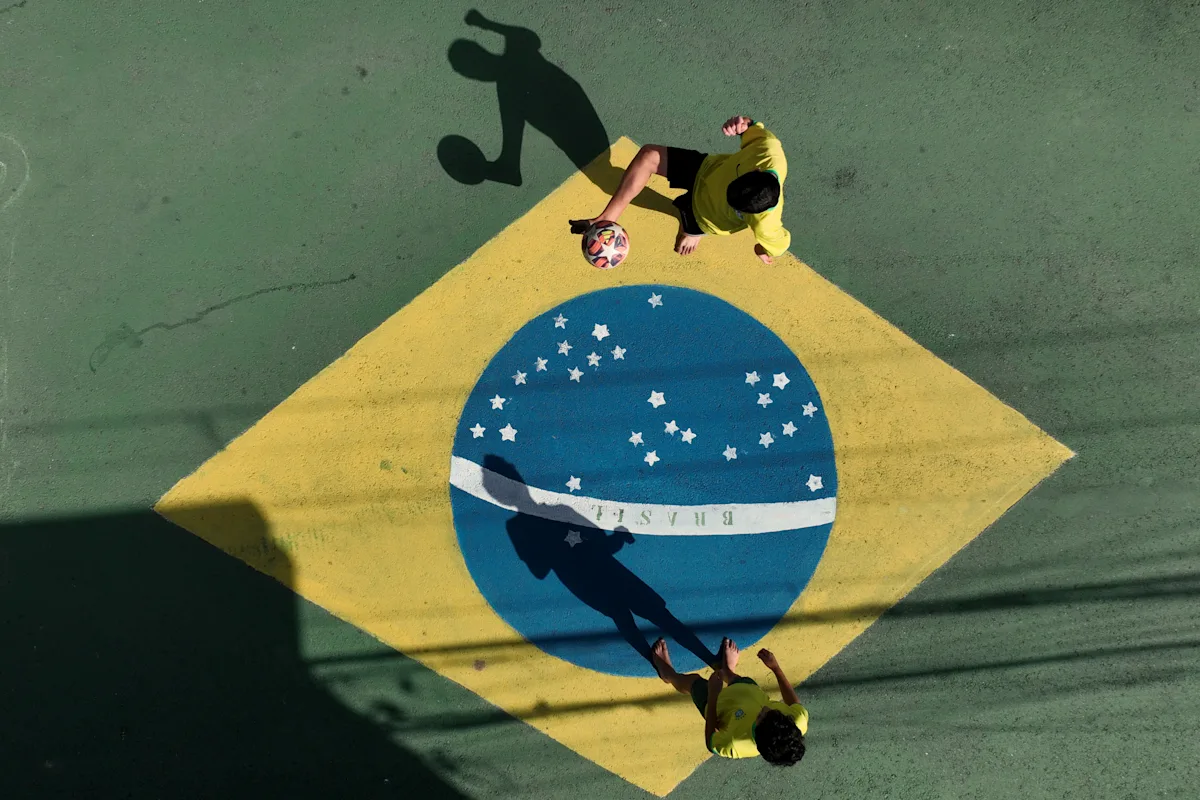
The 2026 FIFA World Cup is set to redefine media rights distribution, with the Brazilian streaming platform CazéTV securing exclusive rights to broadcast all 104 matches in the country. Operated by LiveMode and anchored by influencer Casimiro Miguel, the deal represents a decisive shift away from traditional over-the-air broadcasting models. Historic Brazilian network Globo, long considered the home of soccer in Brazil, will retain rights to only 55 games, ceding the remainder to the digital-first platform.
This arrangement follows a successful trial during the 2022 Qatar World Cup, where FIFA partnered with Miguel and LiveMode to broadcast 22 matches on the CazéTV YouTube channel. The governing body described the expanded 2026 deal as an innovative approach to enhance broadcast coverage, aiming to reach new audiences and demographics through a more informal, conversational style of commentary that leverages content creators.
LiveMode, the company behind CazéTV, has also launched an international broadcast arm, with Portuguese football legend Cristiano Ronaldo listed as a shareholder. The company’s Portuguese channel will broadcast one match per day, including all of Portugal’s fixtures and the final. Ronaldo, who is making his sixth World Cup appearance, underscores the platform’s strategy to blend traditional sporting prestige with digital-native engagement.
Concurrently, FIFA has formalised partnerships with TikTok and YouTube to allow rights holders to livestream portions of matches, targeting younger, digital-first audiences. TikTok has been designated as the first “preferred platform” for video content, featuring a dedicated hub for rights holders to stream match segments. YouTube will permit broadcasters to livestream the first 10 minutes of games, with executives citing the platform’s role in global sports fan engagement before, during, and after matches.
In the United States, Fox holds the broadcasting rights for the 2026 tournament, offering every match live and on-demand via its apps, though FIFA did not sign exclusive digital-only deals in the region. Meanwhile, Netflix has secured US broadcasting rights for the Women’s World Cup in 2027 and 2031, marking the most significant deal FIFA has signed with a streaming service for a major tournament.
The tournament, co-hosted by the United States, Mexico, and Canada, features 48 teams and runs through July 19. FIFA expects the 2026 World Cup to break records for digital and streaming audiences, building on the 2022 tournament where 2.7 billion of the 5 billion total engagements came through digital services. The final on July 19 at MetLife Stadium will feature the first-ever half-time show in a football World Cup final, headlined by Madonna, Shakira, and BTS.