FIFA faces regulatory scrutiny as World Cup ticket prices spark controversy
Ticket costs on the official resale marketplace have surged to four and six figures, drawing criticism from the White House and raising concerns about empty seats and cultural value.
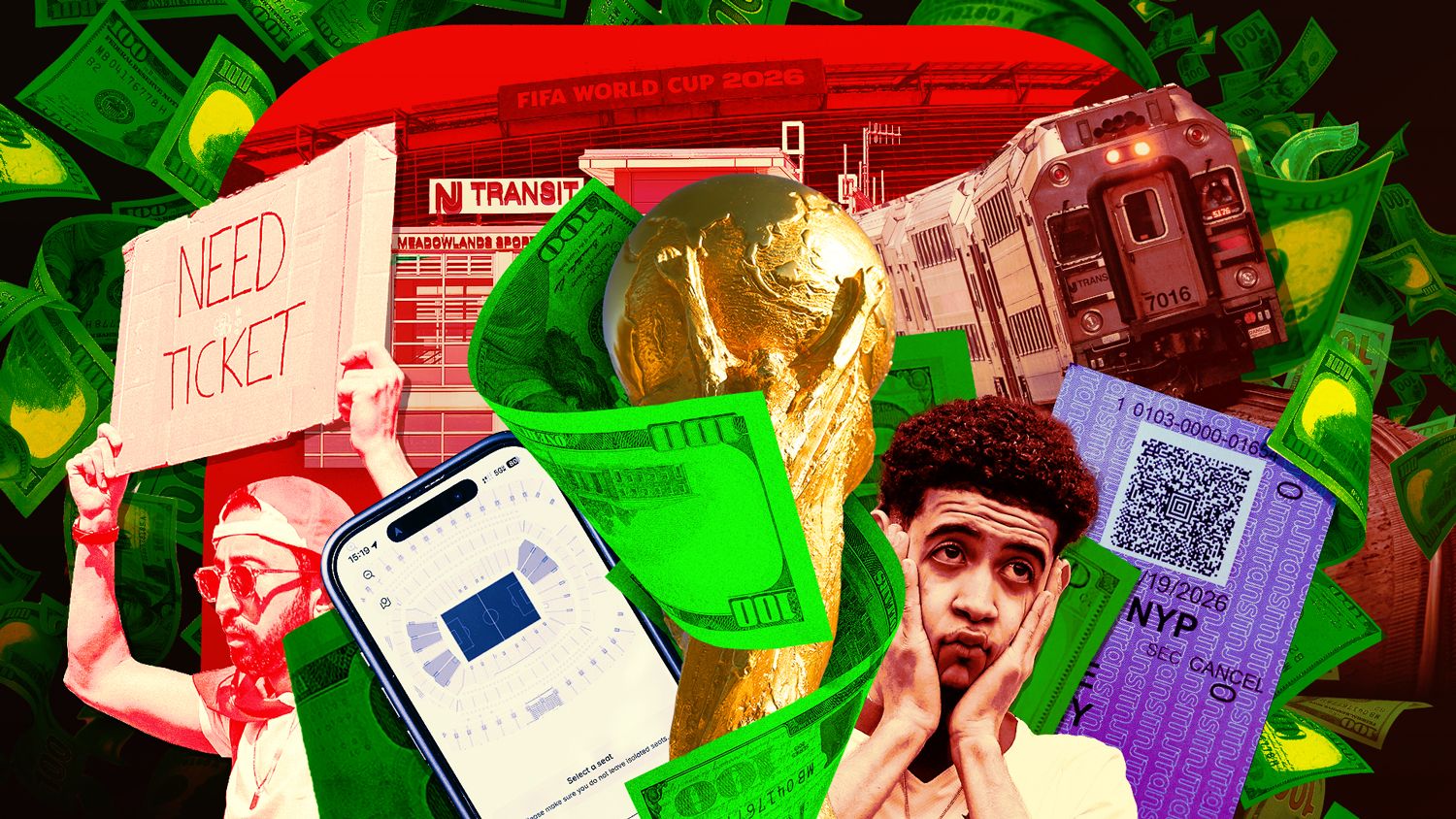
Ticket prices for the 2026 FIFA World Cup, hosted by the United States, Mexico, and Canada, have surged to four or six figures on FIFA's official resale marketplace, far exceeding initial bid proposals and previous tournament costs. The dynamic pricing model and transaction fees have drawn criticism from fans, US lawmakers, and the White House, with attorneys general from New York and New Jersey issuing subpoenas over the pricing practices. While FIFA maintains that 50% of tickets are in the most affordable range, average prices for group-stage matches in major US cities have reached over $1,000, raising concerns that ordinary fans are being priced out and that empty seats may result.
The surge in costs has triggered significant political and regulatory backlash. Attorneys general from New York and New Jersey issued a joint announcement stating that tickets have far exceeded the prices for any previous World Cup tournament, citing dynamic pricing as a primary driver. This regulatory pressure coincides with criticism from the White House, where President Donald Trump and Andrew Giuliani, executive director of the White House Task Force for the World Cup, described the prices as high. Giuliani noted that FIFA may be a victim of its own success, acknowledging that while some affordable options exist, the overall pricing structure remains expensive.
Initial projections for the tournament suggested a more accessible pricing structure. The bid proposal from the three host nations outlined face values ranging from $21 to $323 for group-stage games, with revenues projected between $1.8 billion and $2.1 billion. FIFA confirmed that the cheapest tickets originally went on sale at $60, a point the governing body has celebrated. However, the reality on the resale market has diverged sharply from these forecasts. In Los Angeles and Dallas, average prices for the cheapest group-stage tickets two months before the tournament exceeded $1,000, a figure roughly double the average American monthly expenditure on food.
FIFA defends its revenue strategy by highlighting its role in funding the global game. The governing body takes a 15% cut from both buyers and sellers on its official resale platform, claiming that as a not-for-profit organization, it reinvests more than 90% of its budgeted investments back into the sport. Despite this, experts warn that the economic logic of revenue maximization may undermine the tournament's cultural significance. Pnina Feldman, an associate professor at the University of Virginia, noted that when prices move too far out of reach, the event risks becoming less representative of the communities that give soccer its value.
There are emerging signs that the high pricing may be affecting attendance. Ten days before the tournament's start, ticket prices on the resale marketplace showed notable drops, with average cheapest ticket prices across US host cities falling by an average of 37% compared to 60 days prior. Reports indicate that some stadiums, including those hosting the US men's national team, are not on pace to sell out at current prices. This potential for empty seats in a market of nearly 350 million people presents a significant risk to FIFA, contrasting with previous tournaments where sell-out crowds were the norm.