Federal trial opens for man accused of igniting deadly Palisades Fire
The defence maintains the 29-year-old attempted to help extinguish the wildfire, citing emergency calls and lack of physical evidence
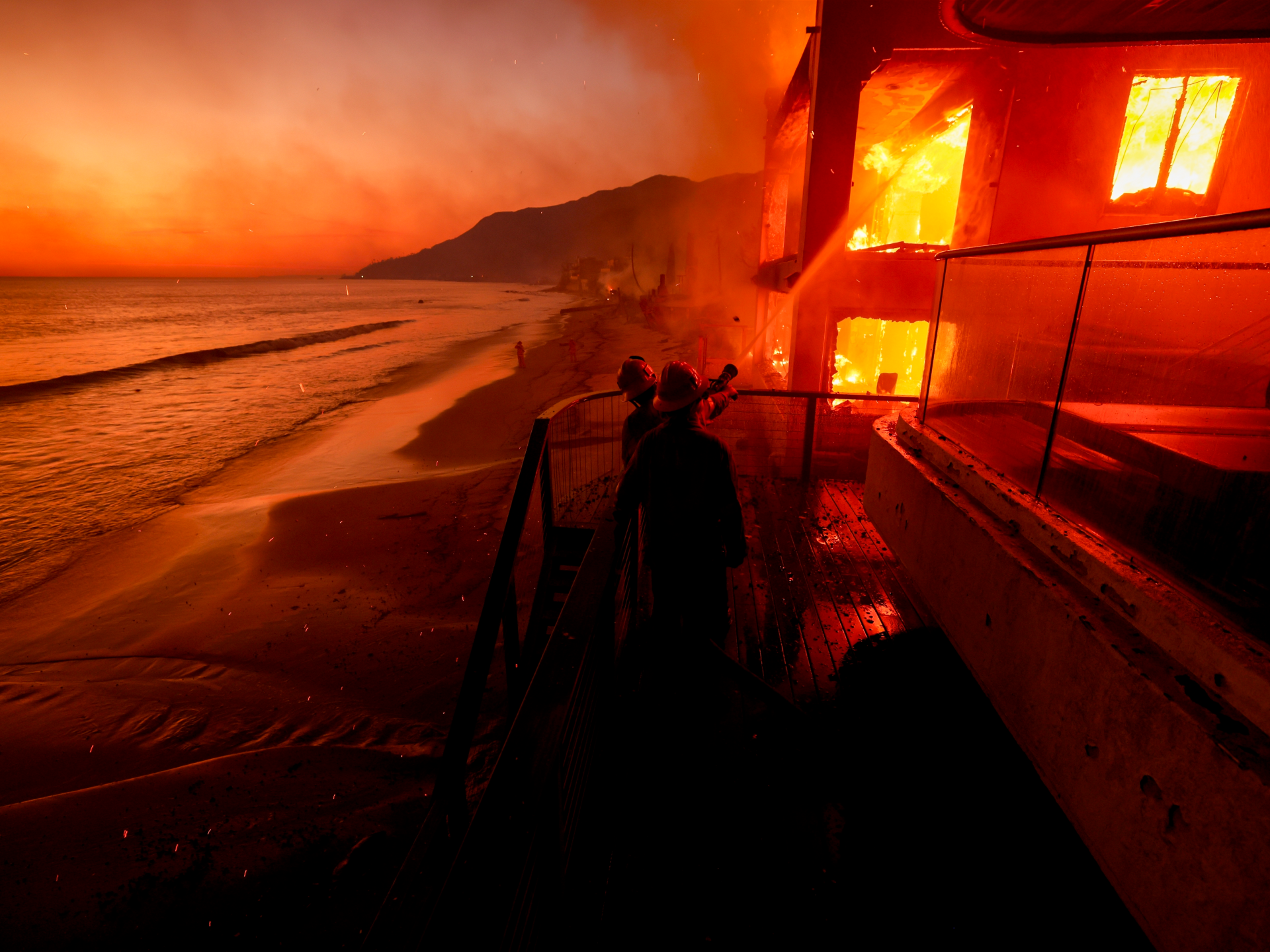
Federal prosecutors have commenced their case against 29-year-old Jonathan Rinderknecht, accusing him of deliberately igniting the Palisades Fire in January 2025. The trial, which opened on Wednesday in a downtown Los Angeles federal court, centres on charges that Rinderknecht committed arson affecting interstate commerce and destroyed property by means of fire. He has pleaded not guilty to the allegations.
The blaze, which became one of the most destructive wildfires in Los Angeles history, killed 12 people and swept through communities including the Pacific Palisades. If convicted, Rinderknecht faces a maximum sentence of 45 years. Assistant US Attorney Mark Williams told jurors that the evidence would demonstrate Rinderknecht lit the fire on 1 January with intent, linking the initial ignition to the significant conflagration that erupted on 7 January.
Prosecutors argue that Rinderknecht acted out of revenge against society, citing cellular data that places him near the hilltop where the fire allegedly began. They also pointed to a ChatGPT prompt entered by the defendant in the months prior to the disaster, which described a “burning forest” and “people running away”. Prosecutor Matt O’Brien stated that the evidence would show the defendant blamed society for his troubles and sought retribution.
The defence team, led by lawyer Steve Haney, argued that there is no proof Rinderknecht started the fire. Haney highlighted 911 calls in which Rinderknecht allegedly guided firefighters to the site, describing the defendant’s actions as those of a man trying to stop the blaze. Haney advised jurors not to read into the defendant’s use of computer searches and maintained that the prosecution’s case lacks the necessary evidence to prove ignition.
The Palisades Fire reached a peak of more than 23,000 acres, driven by strong Santa Ana winds and dry conditions. Factors such as extreme drought, worsened by climate change, and increased residential developments in wild-land areas have contributed to the lethality of California wildfires. The event is now recorded as the ninth deadliest in the state’s history and the third most destructive in terms of structures destroyed.