Federal Reserve raises US interest rates as inflation remains above target
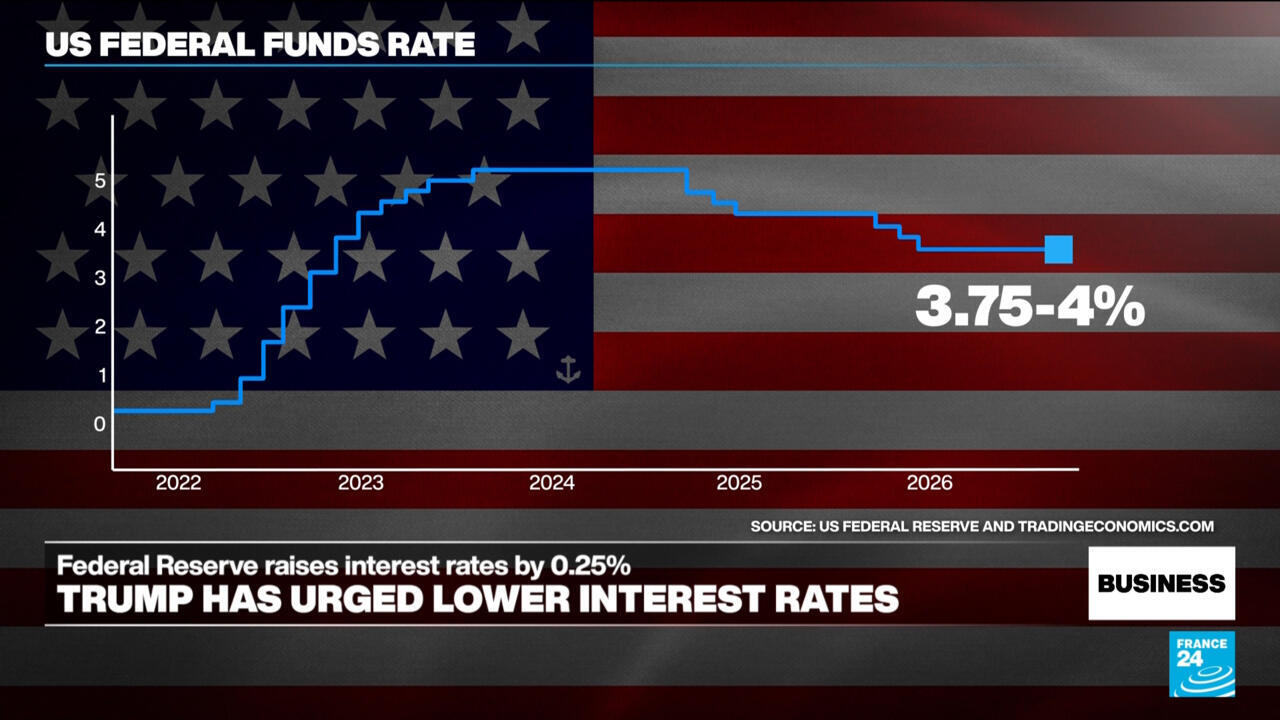
The Federal Reserve has lifted its policy rate to 3.75%-4%, despite President Donald Trump’s calls for borrowing costs of 1% or less.
The US Federal Reserve has unanimously raised its policy interest-rate range to 3.75%-4%, from 3.5%-3.75%, in its first rate increase in more than three years, according to the BBC.
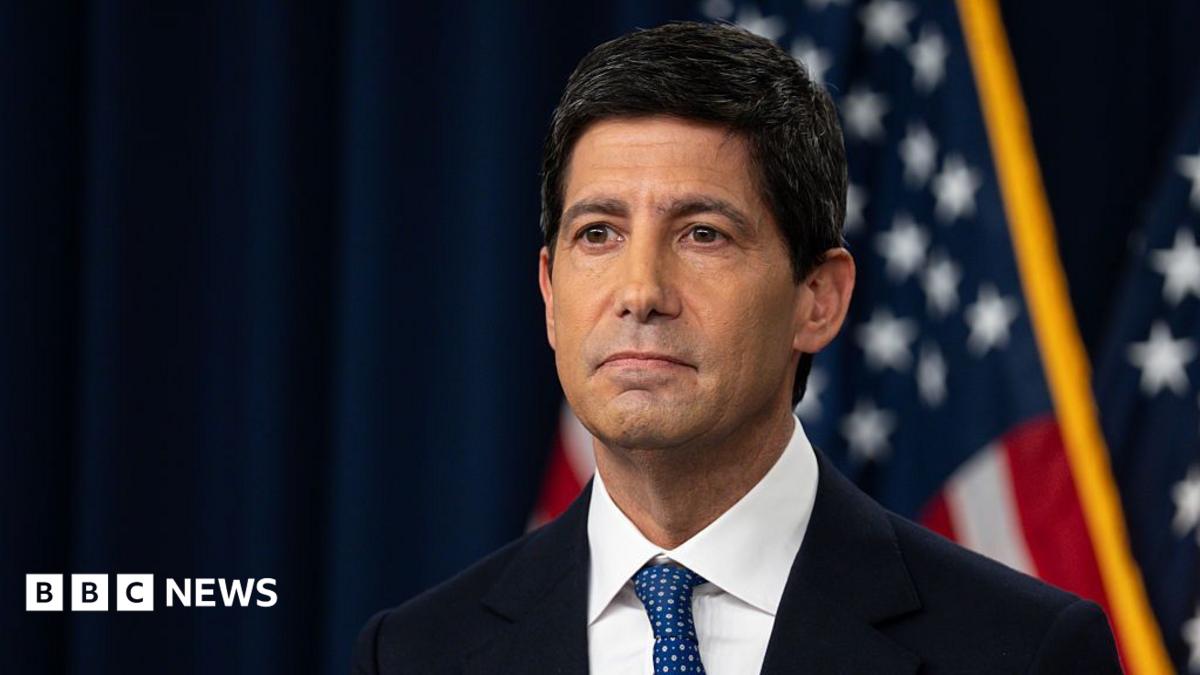
Federal Reserve chair Kevin Warsh said inflation was “too high and has been for too long”, describing the decision as “sober” and “responsible”. The central bank has a stated target of keeping inflation at 2% or below.
Warsh said the Federal Reserve could not directly affect individual prices such as oil or food, but could limit the risk that price rises broaden across the economy. He said the strong jobs market and wider economy allowed policymakers to focus on stabilising prices.
President Donald Trump criticised the increase and said rates “should be 1%, or less”. The BBC reported that the White House had reaffirmed its commitment to the Federal Reserve’s independence while maintaining that Trump could express his views.
Higher rates can increase borrowing costs for loans, mortgages and credit cards, while potentially improving returns on savings. Major US banks including JP Morgan, KeyCorp and BNY reportedly raised their prime lending rate to 7%, from 6.75%.
The BBC reported that most Federal Reserve policymakers expected another increase before the end of the year, although future decisions remain unconfirmed. Existing holders of fixed-rate mortgages may not see an immediate change in their monthly repayments, while prospective borrowers and those refinancing could face higher costs.