Federal court halts Ohio citizenship proof requirement for voter registration
A preliminary injunction finds the state’s new driver’s licence rules likely conflict with federal law, sparking an immediate appeal from Ohio officials.
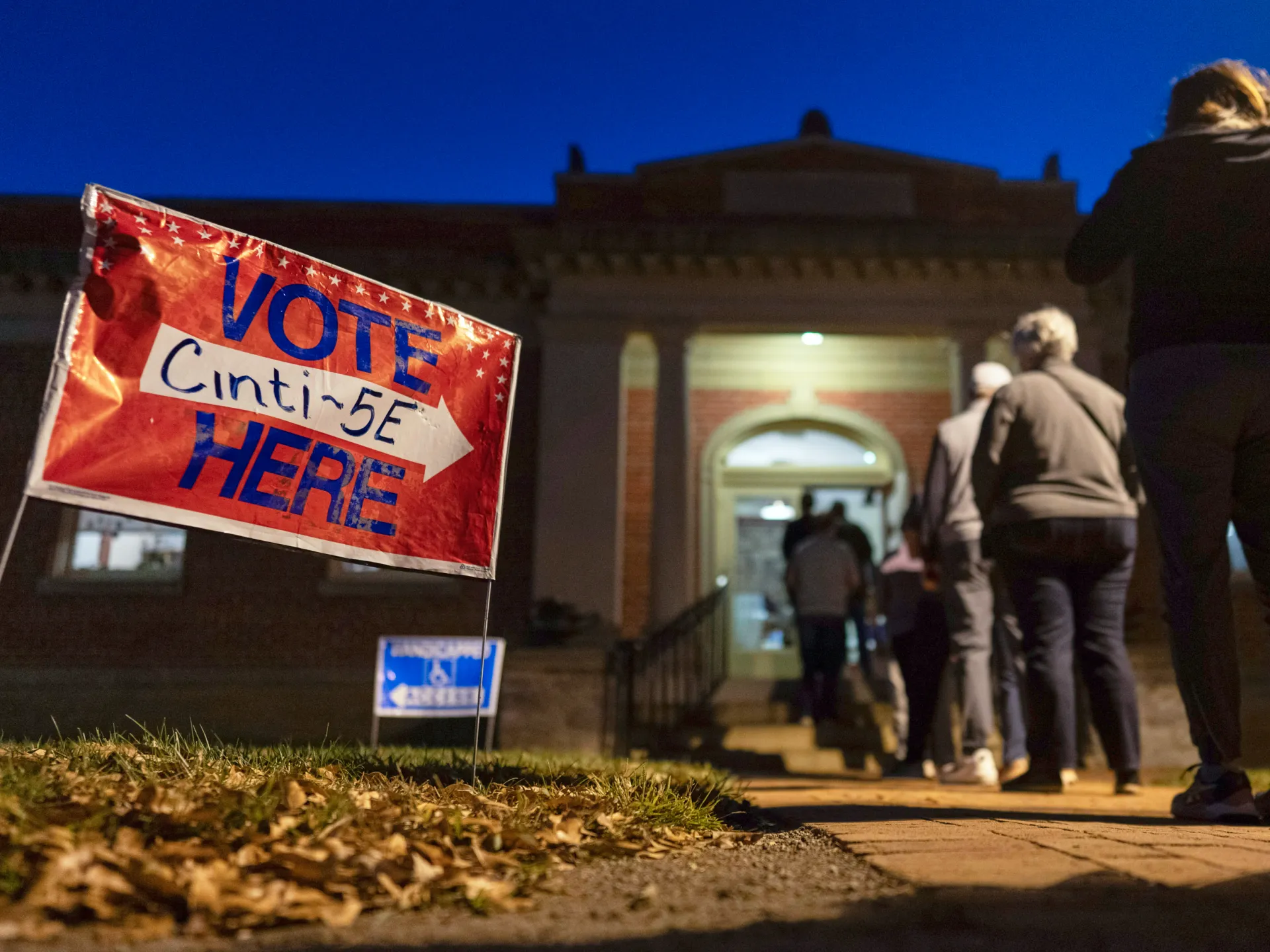
A United States federal court has temporarily blocked an Ohio law that required residents to provide proof of US citizenship when registering to vote while obtaining a driver’s licence. US District Judge Solomon Oliver Jr granted a preliminary injunction on Tuesday, ruling that the legislation likely violates the National Voter Registration Act (NVRA) by demanding more information than is necessary to determine a resident’s eligibility.
The judge determined that a signed attestation of citizenship is sufficient for registration purposes, noting that election officials do not require documentary proof to assess an applicant’s status. Oliver wrote that the law’s additional requirements likely conflict with federal standards designed to streamline the process for eligible voters.
The ruling also addresses the timing of the registration opportunity. Oliver stated that Ohio must offer applicants the chance to register for federal elections at the moment they submit their driver’s licence application, rather than waiting for approval by the state’s Bureau of Motor Vehicles (BMV). He warned that interpreting the NVRA otherwise would allow states to make the process more onerous, potentially reducing voter registrations among otherwise eligible citizens.
The contested law was originally enacted in 1995 as a “motor-voter” provision, allowing residents to register when applying for a licence. However, the state’s Republican-controlled legislature amended the law last year to address claims of noncitizen voting, a narrative pushed in part by US President Donald Trump. US law prohibits noncitizens from voting in federal elections, but the amendment sought to tighten verification procedures.
The legal challenge was brought by voting rights group Red Wine & Blue, which sued Ohio Secretary of State Frank LaRose. The group argued that the law disenfranchised eligible voters by imposing burdens not required by federal statute. Ben Stafford, an attorney at Elias Law Group representing the group, described the decision as a win for Ohio voters, particularly with the registration deadline approaching.
LaRose stated that his office disagrees with the decision and intends to appeal. The preliminary injunction leaves the final legal status of the law subject to further court proceedings, but it immediately restores the previous registration framework for those seeking federal office.