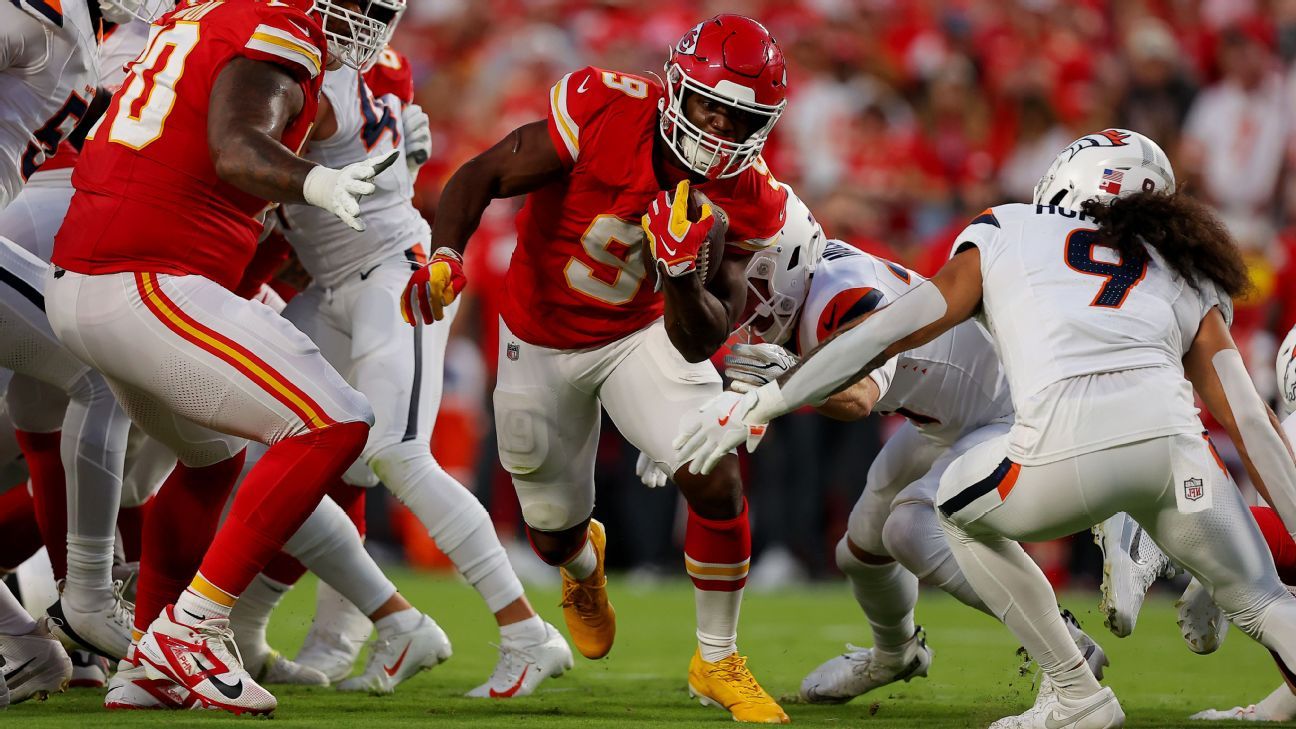
Federal appeals court pauses extra eligibility for thousands of college athletes
A 2-1 ruling by the U.S. 10th Circuit Court of Appeals halts a lower court order that would have allowed fifth-year players to return to rosters for the 2026-27 season.
The U.S. 10th Circuit Court of Appeals in Denver has temporarily halted a lower court order that would have granted thousands of college athletes an extra year of eligibility. The 2-1 ruling issued on Friday pauses the return of fifth-year players, including football and basketball athletes, until the appeal is fully heard. This move intervenes in a period where some players had already begun returning to their former schools, with football season set to open within the next two weeks.
The case centres on players who graduated high school in 2022 and were not covered by the NCAA’s new five-year eligibility rule, which takes effect next season. After winning a ruling in district court last month, these athletes sought to reclaim spots on rosters that had already been finalised. The appeals court’s decision aims to reduce the chaos caused by conflicting rulings in courts across the country that had previously cleared the way for these players to return.
The NCAA argued that schools built their rosters in reliance on existing rules agreed upon by its membership. In its legal filing, the NCAA countered the plaintiffs' fairness argument, stating that it is not fair for thousands of formerly ineligible athletes to return to competition at the start of the 2026-27 season. The plaintiffs had argued that they should not be restricted from a fifth year, and the associated educational and NIL compensation opportunities, when a player one year younger was entitled to it.
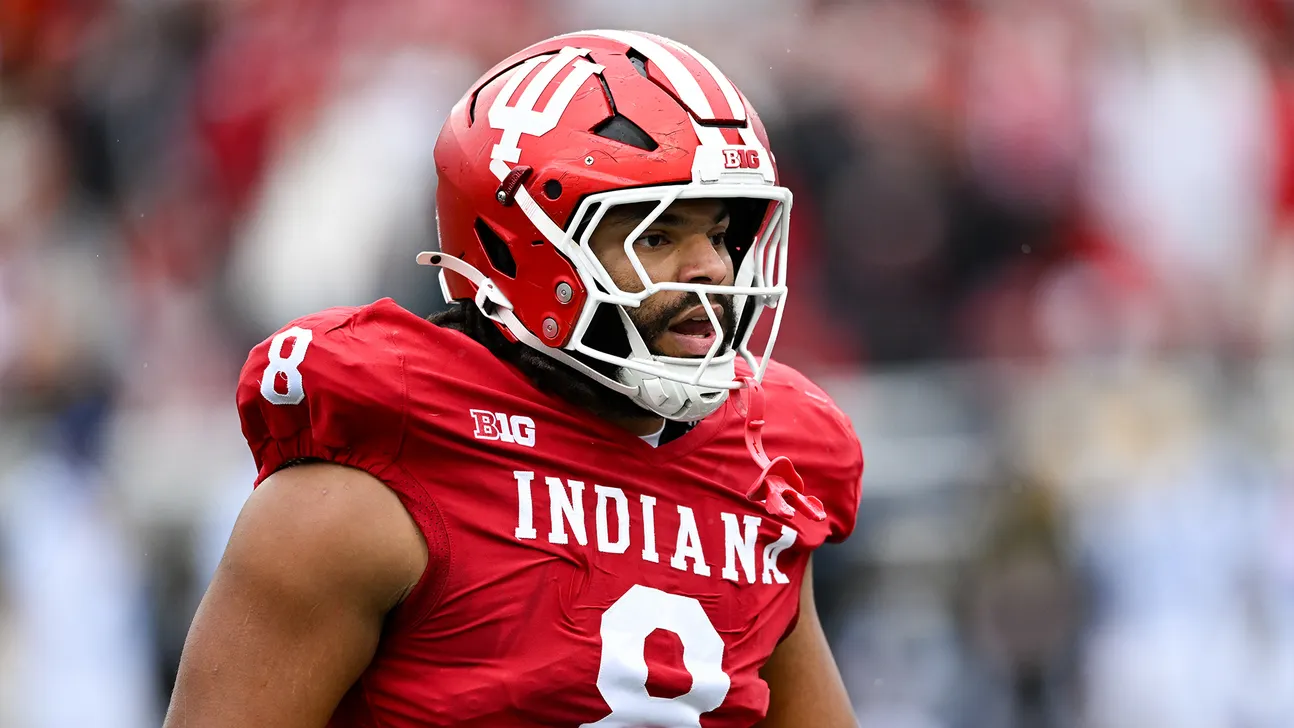
Notable athletes affected by the uncertainty include defensive linemen Kellan Wyatt and Stephan Daley, both members of the national champion Indiana roster from last season. The ruling does not guarantee an end to confusion across college sports, as the NCAA is on the losing end of other lawsuits filed in state and federal courts over similar issues. The NCAA could still directly appeal this ruling, meaning the participation of some players remains uncertain.
Other players have also navigated conflicting legal outcomes this week. Former Ole Miss starters Dae’Quan Wright, Zxavian Harris and Wydett Williams won rulings from a state court in Louisiana giving them another season of eligibility, despite signing with NFL teams this summer. In basketball, teams are proceeding with caution to avoid rostering players who might later be declared ineligible. Gonzaga recently added Dayton’s Javon Bennett and Florida State's Chauncey Wiggins, each of whom won eligibility lawsuits in different courts.
The situation highlights the governance challenges facing the NCAA as it manages a new eligibility framework. With no team wanting to risk a player who might later be declared ineligible, the temporary halt provides a pause for institutions to assess their rosters. The outcome of the full appeal will determine whether these athletes can join their peers for the upcoming season or if they must wait for further legal clarity.