FDA approves first standalone robotic blood draw device for outpatient use
The US Food and Drug Administration has cleared Aletta, a robotic system designed to automate venipuncture and address growing phlebotomy staffing shortages.
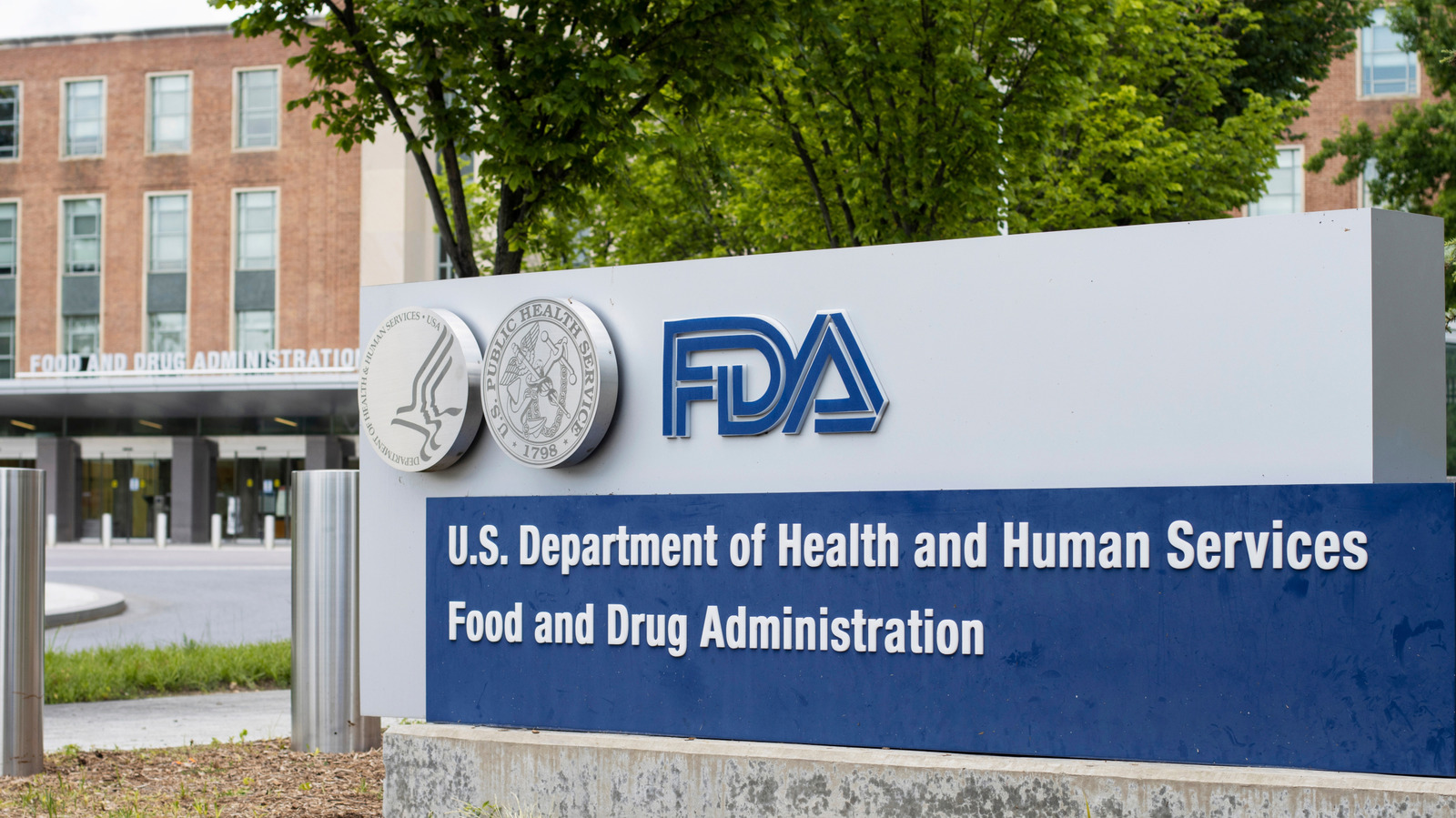
The US Food and Drug Administration (FDA) has approved Aletta, the first standalone robotic device designed to automate blood draws in outpatient settings. The clearance marks a significant shift in clinical workflow, aiming to alleviate the burden on healthcare facilities facing a persistent shortage of trained phlebotomists.
Aletta operates by using near-infrared light and Doppler ultrasound to locate veins in a patient's arm. Once the target vein is identified, the device automates the mechanical aspects of the procedure, including applying a tourniquet, inserting and disposing of the needle, and placing a bandage on the patient.
Despite the automation, human oversight remains a critical component of the process. A trained phlebotomist must initiate the procedure and monitor the device throughout its operation. However, the system is designed for efficiency, allowing a single phlebotomist to oversee up to three Aletta units simultaneously, thereby increasing throughput in busy clinics.
Michelle Tarver, director of the FDA's Center for Devices and Radiological Health, highlighted the operational challenges that necessitated such a device. She noted that while blood draws are among the most commonly performed medical procedures in the United States, patients often face delays due to the growing scarcity of skilled staff.
The FDA’s approval was based on clinical data demonstrating that Aletta performs blood draws at rates comparable to, or better than, those achieved by human phlebotomists. This performance metric suggests the robot can maintain high standards of care while potentially reducing the time patients spend waiting for routine tests.
While the regulatory hurdle has been cleared, there is currently no confirmed timeline for when Aletta devices will begin appearing in doctors' offices. The approval paves the way for commercial deployment, but the specific rollout schedule remains undetermined.