FCC appears to halt HoverAir Versa drone in US just days after launch
The modular device, which combines a steadycam with snap-on propeller wings, has stopped accepting US orders three days after its Indiegogo debut, with its authorisation removed from the Federal Communications Commission database.
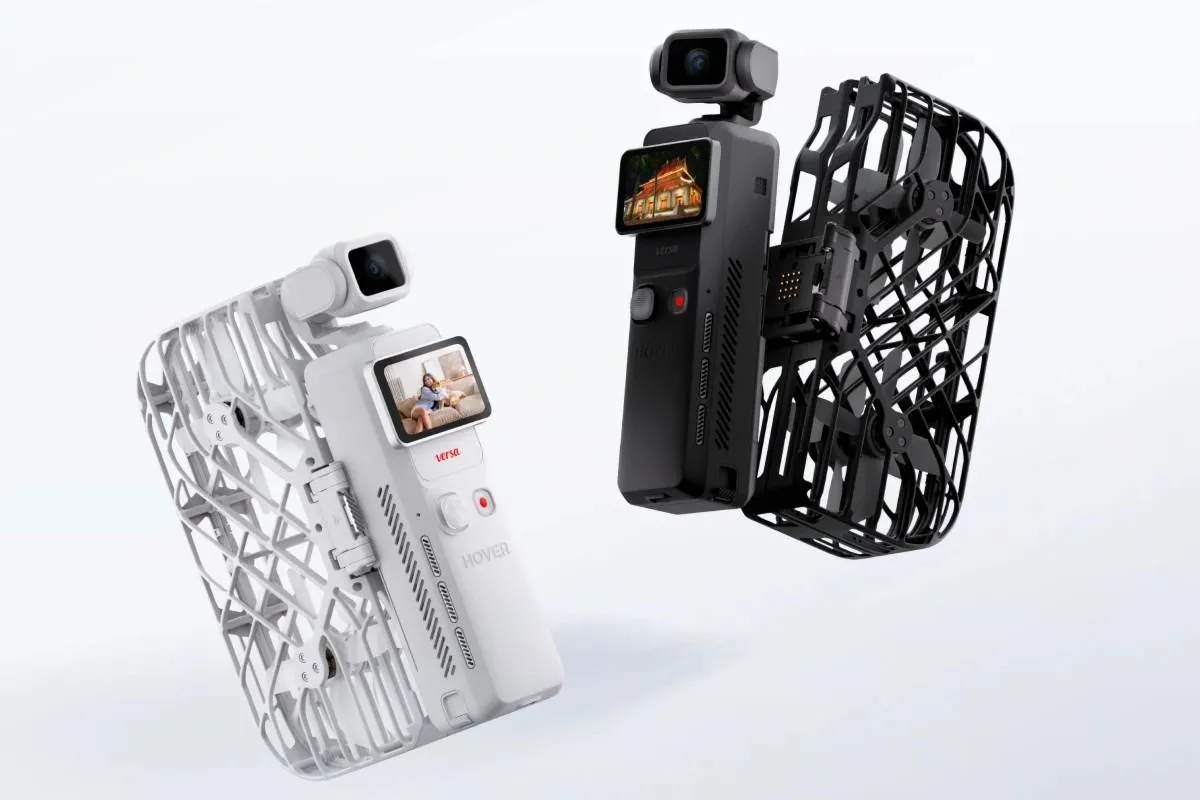
The HoverAir Versa, a modular device manufactured by Chinese company Zero Zero Robotics, has ceased accepting orders in the United States just three days after launching on Indiegogo. The device, which functions as a steadycam that can be converted into a drone with snap-on propeller wings, is currently facing regulatory uncertainty following the apparent revocation of its Federal Communications Commission (FCC) authorisation.
The FCC database no longer lists the HoverAir Versa, suggesting that the approval granted on 9 August has been pulled. While the company is currently telling US backers that it is shipping only the camera component due to “logistics updates” regarding the Flight Kit, the removal of the authorisation implies that the entire device may be banned from the market.
Zero Zero Robotics had previously argued that the device should not be blocked because the company is not on the FCC’s Covered List for cameras. However, the agency defines cameras as critical drone components, meaning all companies are automatically subject to the covered list for drones. This classification issue appears to have undermined the company’s initial strategy to navigate US regulations.
The Indiegogo page no longer displays the Flight Kit as a selectable option for users browsing from the US, although the component remains available to customers in other regions, such as Canada. One backer reported that their pledge indicates the company cannot ship to their US address. HoverAir has not immediately responded to requests for comment, nor has it confirmed whether it will commit to faster refunds for affected backers.
This development follows a similar issue in December, when the brand’s waterproof HoverAir Aqua failed to obtain certification, leading to months of delayed shipping and communication issues with backers. At the time, the company told backers it would ship as soon as possible rather than revealing the certification failure.
An FCC spokesperson refused to go on the record to confirm the revocation, leaving the official status of the device in limbo. It remains unclear if the camera portion alone will remain legal in the US, as it also requires FCC authorisation which may now be rejected.