FCAS collapse signals end of Franco-German defence flagship
The failure of the Future Combat Air System’s fighter jet component marks a significant setback for European defence ambitions, though experts suggest the demise may pave the way for more pragmatic cooperation between Paris and Berlin.
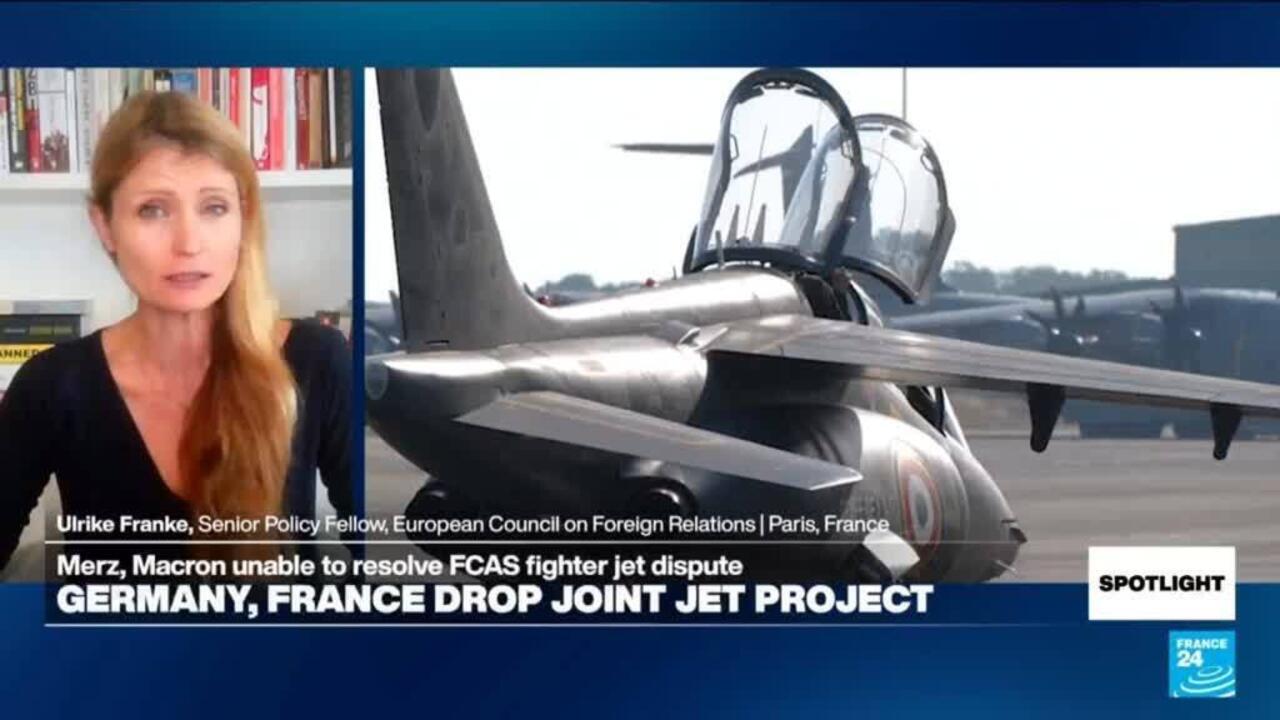
The collapse of the fighter jet component of the Future Combat Air System (FCAS) has dealt a significant blow to Franco-German strategic integration and broader European defence ambitions. The project, originally conceived as a flagship initiative to deepen ties between the two nations and strengthen European technological sovereignty, was intended to deliver a next-generation combat aircraft capable of operating in an increasingly contested security environment.
Ulrike Franke, a Senior Policy Fellow at the European Council on Foreign Relations, described the demise of the programme as unsurprising, noting that the failure was "not a surprise to anybody." While acknowledging the disappointment for European defence goals, she suggested that the end of the troubled programme may ultimately create space for more productive cooperation between France and Germany, allowing both nations to move past years of industrial disputes and political friction.
Franke attributed the failure to fundamental structural design flaws that pitted industrial rivals against each other rather than fostering collaboration. She noted that Dassault Aviation was often perceived as "quite difficult to deal with," but argued that the deeper issue lay in a framework that brought together competitors who "never really had the incentive to properly work together."
The collapse highlights broader tensions within European defence policy, including the struggle between sovereignty and dependence on the United States, as well as the impact of drone warfare and the war in Ukraine on strategic planning. Franke characterised FCAS as "a project of another era," cautioning against simplistic claims that traditional fighter aircraft have become obsolete. Instead, she advocated for an adaptive approach, suggesting that future combat systems may need to be "optionally crewed" and integrated into a rapidly evolving technological landscape.
Despite describing the FCAS failure as "bad news for European defence and Franco-German cooperation," Franke adopted a pragmatic outlook. She argued that terminating the programme might be preferable to continuing a flawed partnership, stating that it could be "even better for Franco-German cooperation that they've now finished this and that they can now move on." The event underscores the complex interplay between long-term strategic ambition and the urgent demands of a changing security environment.