Fast food giants pivot to energy drinks as Citi data reveals consumer substitution risks
New research from Citi indicates that while energy drink sales at restaurants are largely incremental, the trend poses significant cannibalisation risks for brands like Celsius Holdings and Monster.
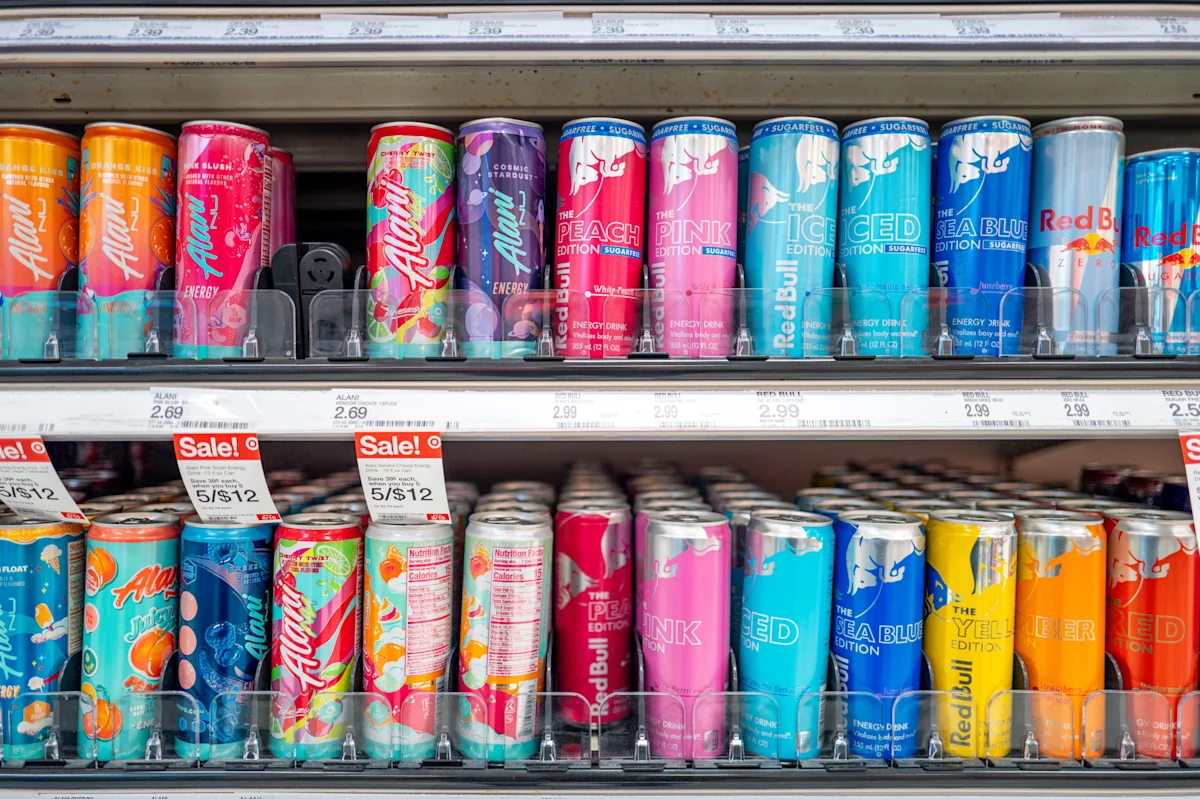
Major fast food chains are increasingly turning to energy drinks as a strategic lever to drive sales and improve profit margins. McDonald's and Starbucks are leading this expansion, with McDonald's announcing a nationwide rollout of its Red Bull Dragonberry Energizer for 17 August and Starbucks having introduced its Energy Refreshers lineup in April. The move reflects a broader industry effort to capture consumer spending on functional beverages that accompany food purchases.
New research from Citi restaurant analyst Jon Tower provides insight into the mechanics of this shift. Following a survey of 2,400 US consumers, Tower found that 74 per cent of respondents are very or somewhat interested in purchasing energy drinks from restaurants or coffee shops. The data suggests that 60 per cent of energy beverage consumption at these venues is incremental, meaning it adds to the total spend rather than simply replacing other items.
However, the research also highlights a potential substitution effect for traditional retailers. Forty-nine per cent of respondents indicated that an energy drink purchased at a restaurant would replace one bought elsewhere, such as a convenience store. Furthermore, 60 per cent of these purchases occur before lunch, with the majority of consumers ordering food alongside their beverage, reinforcing the bundle appeal for fast food operators.
For investors, the trend presents a dual narrative. On one hand, energy drinks serve as a margin and sales boost for chains like McDonald's and Starbucks, though analysts note they are unlikely to be the sole driver of quarterly performance. On the other hand, the rise of large-format energy drinks at fast food stops poses a direct risk to pure-play energy drink sellers. Brands such as Celsius Holdings and Monster may face headwinds as consumers substitute convenience store purchases with fast food options.
Regional chains are also capitalising on the trend, with Dave's Hot Chicken and 7 Brew aggressively scaling their own branded energy bases and Red Bull-infused slushers. Meanwhile, Dutch Bros is identified as a key investment play in the sector, having recently expanded into grab-and-go food to complement its core energy drink offerings. The shift underscores a growing convergence between quick-service dining and functional beverage consumption.