US Inflation Eases to 3.4% in July, Leaving Federal Reserve Divided on Rate Path
Despite energy volatility linked to Middle East tensions, monthly price growth slowed to 0.1%, keeping traders’ odds of a September rate hold at 64% according to CME FedWatch data.
US consumer inflation eased to 3.4% in July from a year earlier, down slightly from June’s 3.5% annual increase and aligning with economist expectations surveyed by Bloomberg. The Consumer Price Index rose 0.1% on a monthly basis following a surprise 0.4% decline in the previous month, providing a measured data point for policymakers navigating conflicting economic signals.
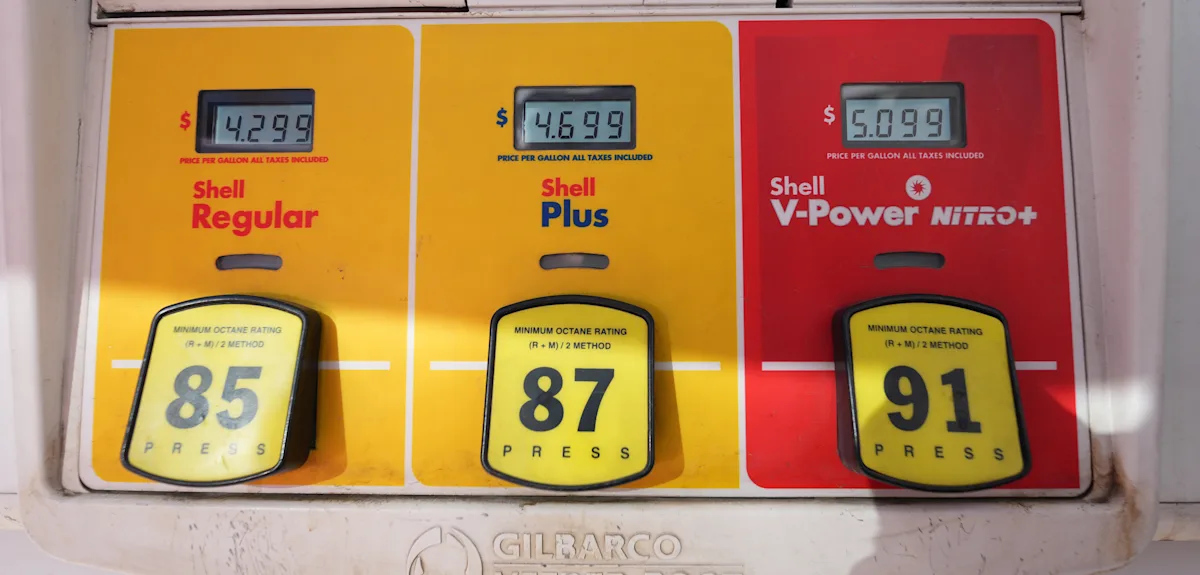
Energy markets experienced turbulence as reescalations in the conflict with Iran drove oil price volatility, yet retail fuel costs remained relatively stable. According to data from the US Energy Information Administration, average pump prices were slightly lower in July than in June. Gasoline prices fell 2.9% month-on-month, although they remain up 24.6% over the past year, while broader energy prices declined by 1.5%.
Underlying price pressures showed mixed trends across key consumer categories. Shelter costs ticked up 0.1% and food prices rose 0.1% from June, with food away from home increasing by 0.3%. Specific commodity movements included a 9.4% annual jump in beef prices and a 10.3% rise in coffee costs. Conversely, lettuce prices plunged 16.4% in a single month, a volatility health officials attribute to a 15-state outbreak of cyclospora infections linked to iceberg lettuce.
Core inflation, which excludes volatile food and energy components, remained unchanged at 2.5% annually and rose 0.2% monthly. Consumers found some relief in insurance costs, with auto insurance down 4.5% and health insurance dropping 8% over the past year. However, travel costs continued to climb, as airfare rose 2.2% monthly and 25.5% annually.
The data leaves the Federal Reserve split on its next move at the September meeting, particularly as the labour market shows signs of weakening with recent job shedding. Traders are now pricing in a 64% chance that benchmark interest rates will hold steady at 3.5% to 3.75%, a shift from the roughly 50-50 odds of a 25 basis point hike seen prior to the release. Despite the cooling, inflation remains above the Fed’s 2% target.