Farmed salmon’s Omega-3 levels fall as feed diets shift, USDA study suggests
Research led by the US Department of Agriculture links declining fatty-acid levels to greater use of soy, canola and other land-based feed ingredients, but says the evidence is not sufficient to change dietary guidance.
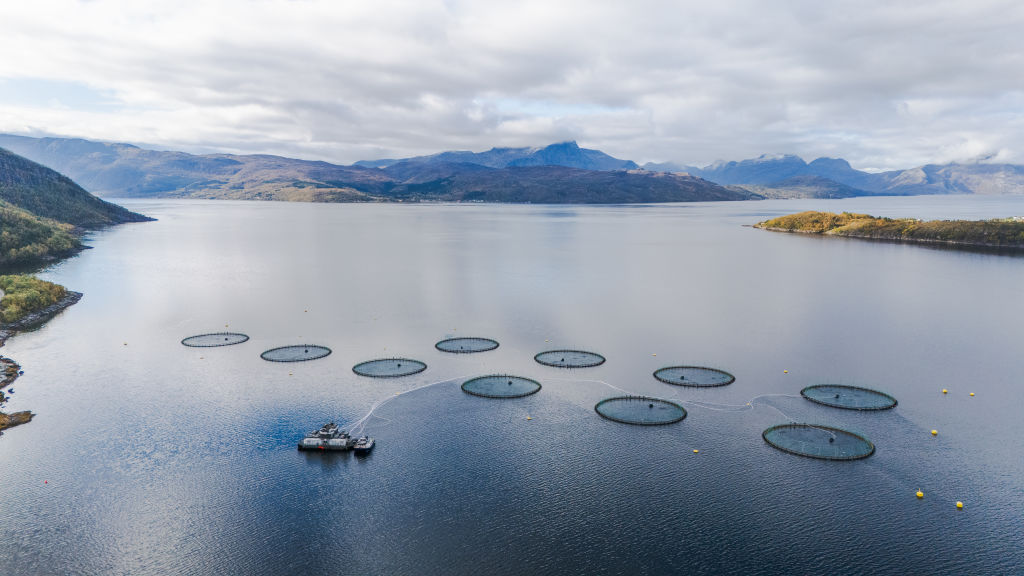
Omega-3 levels in farmed salmon have fallen considerably as producers move away from small fish and towards crop-based feed ingredients, research led by the US Department of Agriculture suggests.
The finding comes as farmed salmon supplies nearly 70 per cent of the salmon consumed globally. Production tripled between 2000 and 2020, driven in part by dietary advice that promotes salmon as a rich source of heart-healthy Omega-3 fatty acids.
The study links the decline to feed containing land-based oils and crops, including soy and canola. Earlier research, including a 2016 study, reported similar nutritional declines as the industry adopted more crop-intensive diets.
Researchers cautioned that the study’s sample was too small to support changes to government dietary advice. They called for a broader and more representative study before drawing conclusions about the global nutritional profile of farmed salmon.
The shift in feed may also carry environmental costs. In Norway, marine-based feed ingredients accounted for about 90 per cent of feed ingredients in 1990, compared with about 23 per cent in 2020. Research has also linked the move to crop-based ingredients with doubled greenhouse gas emissions per kilogram of farmed fish in Europe and the United Kingdom between 2000 and 2020.
The change has raised concerns about deforestation as well as the earlier pressure that fish-based feed placed on small fish populations and coastal ecosystems. Researchers caution that soy-related deforestation cannot be attributed to farmed salmon alone. The findings come as US lawmakers consider the Marine Aquaculture Research for America Act, which would make it easier for producers to obtain licences for offshore fish farms.