External SSDs deliver speed, but HDDs remain the value choice for storage
Engadget’s comparison finds SSDs better suited to frequent transfers and mobile use, while HDDs offer more capacity at a lower cost for backups and archives.
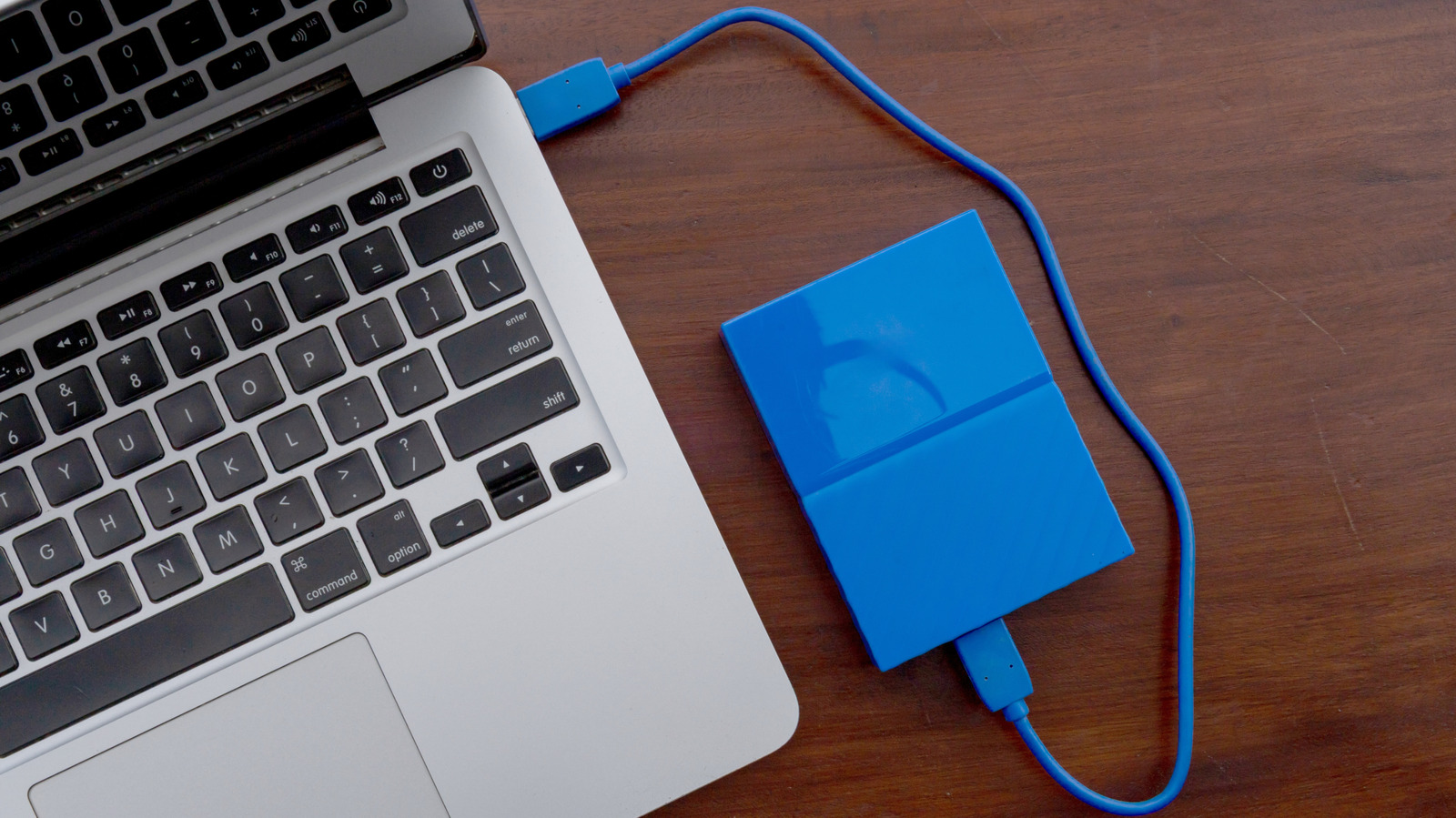
External solid-state drives offer clear performance advantages over hard disk drives, but Engadget’s comparison finds they are not the best choice for every storage task.
SSDs use flash storage and have no moving parts, making them generally faster, quieter, lighter, more power-efficient and more resistant to drops. Engadget cites typical speeds of 500MB/s or more for an external SSD, compared with about 100MB/s for an external HDD.
That performance makes SSDs suitable for frequent large file transfers, video editing, gaming storage and users who regularly carry a drive between locations. Their lower power demands may also matter when a laptop is being used away from a charger.
HDDs use spinning platters and mechanical read/write heads. They are slower and more vulnerable to physical damage, but offer greater capacity at a lower cost. Engadget says they are better suited to infrequently accessed backups and large archives, where transfer speed is less important.
The price difference can be significant. At the time of writing, Engadget cited an approximate price of US$232 for a 1TB Samsung T9 Portable SSD, compared with US$130 for a 2TB Seagate Portable Hard Drive. Prices and performance vary by model, retailer and connection standard.
Buyers should also check compatibility. External-drive performance depends on the USB standards supported by both the drive and host device, while use with consoles, routers and phones depends on hardware, software and formatting. A spare internal drive can also be converted into external storage with a compatible USB enclosure.