Expert analysis offered on Iran's dual-navy structure and submarine capabilities
Bryan Clark of the Hudson Institute provides institutional insight into Iran's naval architecture during a Spotlight segment
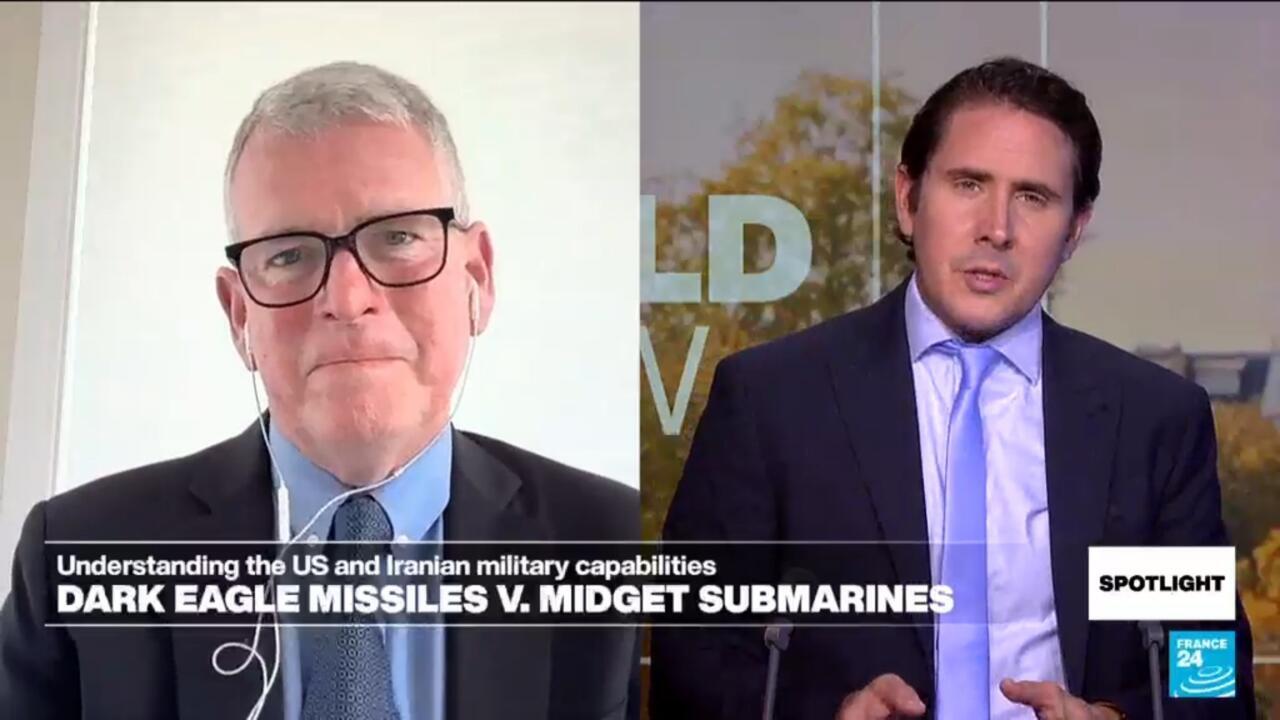
A recent Spotlight segment has examined the structural composition of Iran's maritime forces, specifically focusing on the distinction between its two navies and the operational standing of its midget submarines. The discussion centres on the institutional framework governing Tehran's naval capabilities rather than reporting on a specific incident or breaking development.
Bryan Clark, a senior fellow and director of the Centre for Defence Concepts and Technology at the Hudson Institute, led the analysis. Clark brings significant institutional weight to the conversation, having served as a retired US Navy officer and submariner with more than two decades of active service. His background includes roles as a chief engineer on nuclear submarines and staff work on the Chief of Naval Operations.
The segment utilises Clark's extensive experience to frame the debate around naval warfare and the strategic implications of Iran's current fleet configuration. By drawing on his tenure within the US Navy, the discussion aims to provide a policy-aware perspective on how these specific assets fit into broader regional security dynamics.
However, the material clarifies that this output is an expert opinion segment rather than a factual news report containing verified data points. Consequently, specific claims regarding the precise fate of the submarines or recent quantitative changes to the navy's structure are presented as analytical interpretations rather than confirmed events.
The broader context of the discussion aligns with Iran's recent diplomatic posture, where securing guarantees against future attacks has been stipulated as a non-negotiable component of proposed ceasefire frameworks. This focus on structural security measures suggests that the operational status of naval assets is viewed through the lens of long-term strategic deterrence.
Ultimately, the Hudson Institute's contribution serves to reframe official statements and expert assessments into a governance-focused narrative. The report highlights the complexity of Iran's naval architecture without inventing new timelines or locations, relying instead on the established credentials of the expert providing the commentary.