Eurovision 2026 faces largest boycott in history as five nations withdraw over Israel inclusion
Spain, Iceland, Ireland, the Netherlands and Slovenia cite inability to maintain neutrality; RTVE accuses organisers of double standards compared to Russia
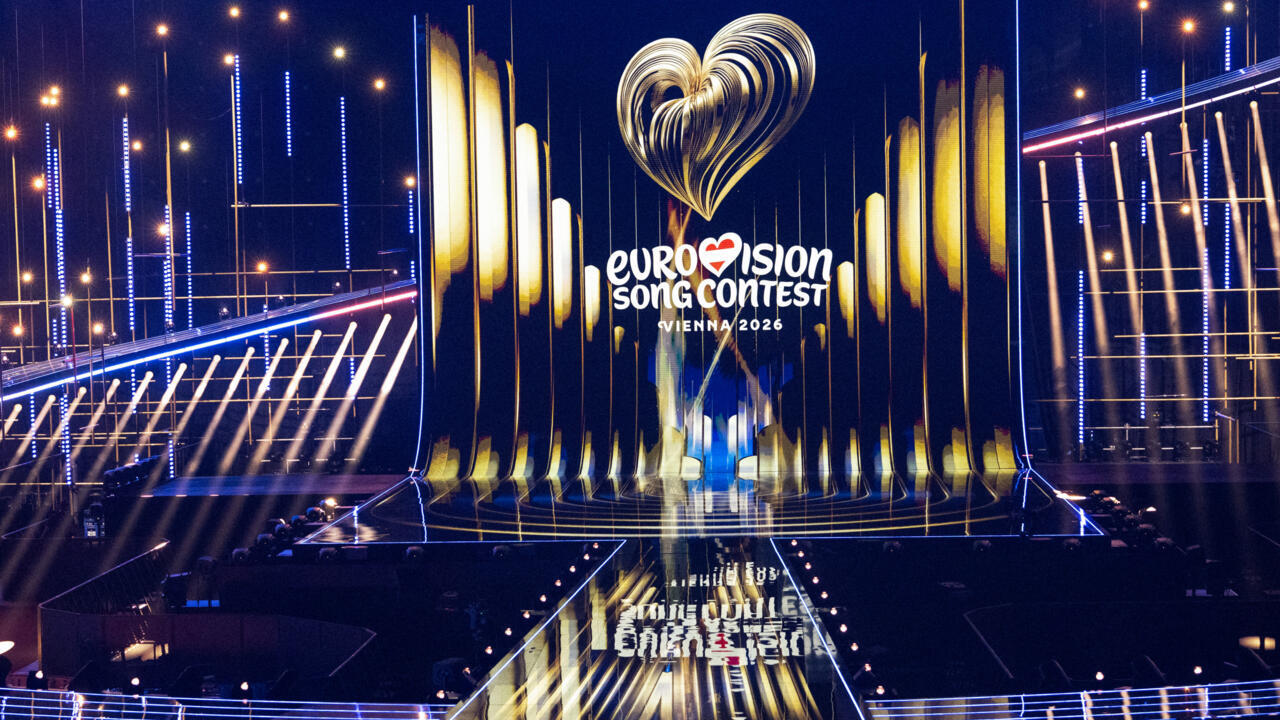
The 2026 Eurovision Song Contest, marking its 70th anniversary in Vienna, is confronting its most significant challenge to date as five nations withdraw from the competition. Spain, Iceland, Ireland, the Netherlands, and Slovenia have confirmed their absence, citing the impossibility of maintaining neutrality regarding the continued inclusion of Israel. This collective decision marks the lowest number of participating countries in two decades and represents a stark departure from the event's traditional format.
Spanish broadcaster RTVE led the charge against the European Broadcasting Union (EBU), arguing that the stated mission of neutrality has become untenable. Prime Minister Pedro Sanchez reinforced this stance, stating that no one raised an eyebrow when Russia was required to leave international competitions following its invasion of Ukraine. He added that the organisation cannot allow double standards to exist, even within the realm of culture.
The European Broadcasting Union describes itself as a technical association of national public service broadcasters without a political mandate. While the decision to exclude Russia in 2022 was straightforward due to a united front among members regarding international sanctions, the situation regarding Israel remains divided. A majority vote is required for the EBU to act against Israel, a threshold that has not been met as European public opinion fractures over the ongoing military actions in Gaza, Iran, and Lebanon.
Israel will be represented this year by Noam Bettan, who will perform the song "Michelle". The track features a French chorus and was co-written by Yuval Raphael, who won the public vote for Israel in 2025. That previous result sparked accusations of rigging after Raphael, a survivor of the October 7 Hamas attacks, secured the public vote, prompting organisers to cap individual votes at 10 in November 2025.
Despite the political controversy and the reduced field of participants, the event has demonstrated remarkable commercial resilience. Tickets for the nine shows in Vienna sold out in record time, with spots for the grand final snapped up in just 14 minutes. Eurovision director Martin Green noted that this rapid sell-out serves as a powerful reminder of the contest's core values of joy, togetherness, and shared experience amidst global tensions.
Historical precedents suggest the competition can weather political storms, having previously navigated crises such as Austria's 1969 boycott over Franco and Moscow hosting in 2009 despite Western criticism of Putin's regime. However, the financial implications of the current boycott remain a concern, as Spain is one of the "big five" countries whose public broadcasting services make the largest financial contribution to the production of the competition.