Europe’s far-right gains test unity on Russia and Ukraine
An Al Jazeera opinion analysis argues that gains by Germany’s AfD and France’s National Rally could complicate support for Ukraine and deepen divisions within the EU.
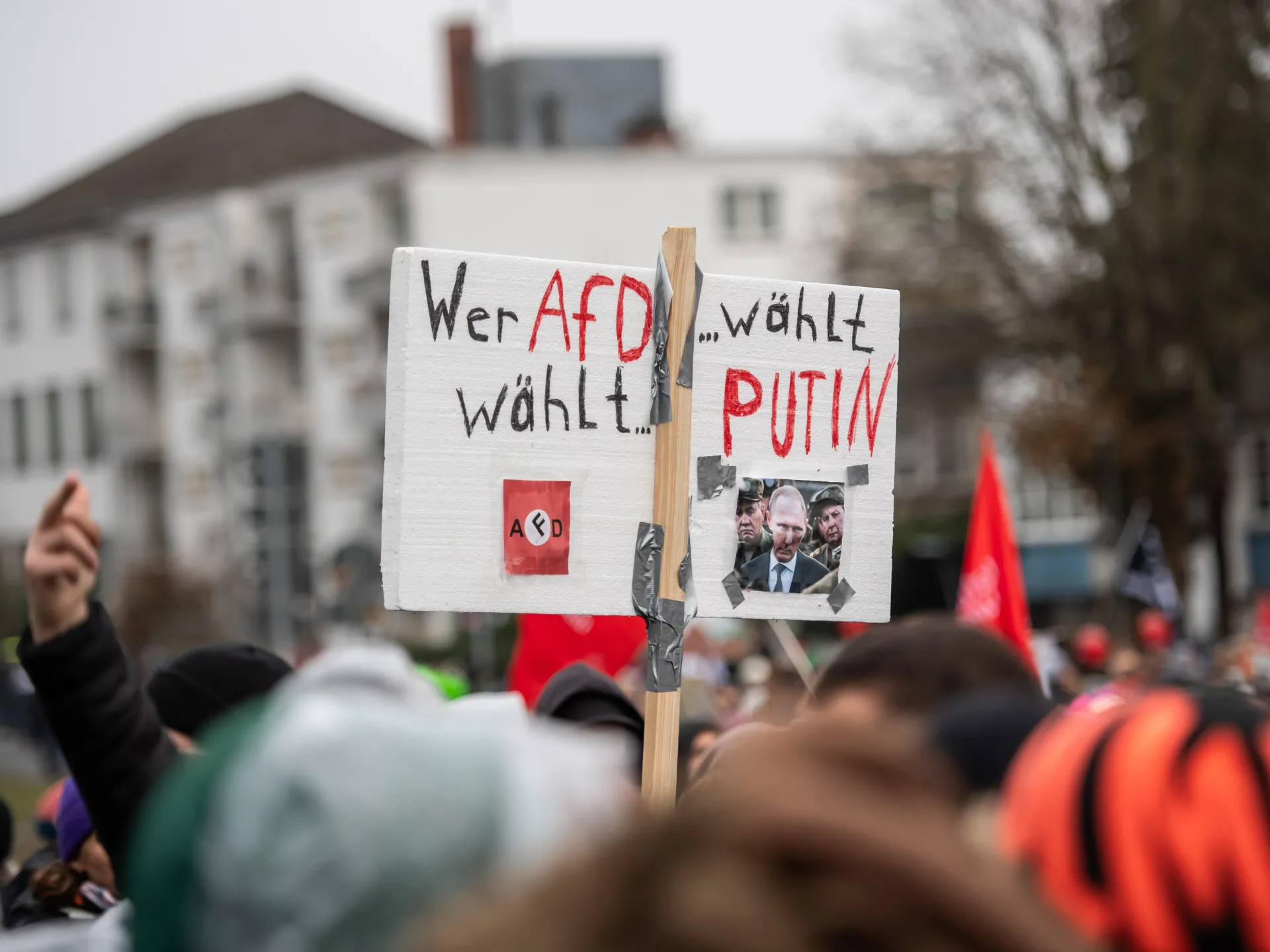
An Al Jazeera opinion analysis has warned that advances by Europe’s far-right parties could weaken the European Union’s ability to maintain a unified position on Russia and Ukraine.
The article points to the Alternative for Germany’s reported success in Saxony-Anhalt and Marine Le Pen’s prospects in France’s 2027 presidential election. It argues that both developments could strengthen political forces favouring negotiations with Russia and a reduction in military support for Ukraine.
The AfD has previously come first in Thuringia’s 2024 provincial election and, according to the article, is polling ahead of Germany’s governing Christian Democratic Union. A potential coalition with the Sahra Wagenknecht Alliance could produce a Russia-friendly regional government, although the analysis presents that outcome as speculative.
The article says Germany’s mainstream parties would face pressure to maintain the Brandmauer, their stated barrier against governing with the AfD. A stronger far-right presence in Germany could have consequences beyond domestic politics because of the country’s central role in European security and the economy.
In France, Le Pen’s National Rally is described as supporting some military aid for Ukraine, but at a lower level than currently provided. The party also backs negotiations with Russia and criticises the EU’s strategy towards Moscow, positions the article says could complicate a common European foreign policy.
The analysis cautions against attributing the far right’s popularity primarily to Russian influence. It says domestic economic grievances and cultural anxieties are the main drivers, while Russian campaigns may amplify existing social divisions. It also notes that parties can alter their positions after entering government, citing Italy’s Brothers of Italy as an example.