European officials question substance of Putin's ceasefire overtures and mediator choice
Officials express deep scepticism regarding Vladimir Putin's latest comments on potential ceasefire talks, questioning the substance of his proposals and the choice of mediator.
European officials have voiced deep scepticism regarding Vladimir Putin's latest comments on potential ceasefire talks in Ukraine, with particular concern directed at the substance of his security proposals. This reaction is characterised by a distinct lack of confidence in the viability of the current overtures, occurring alongside active discussions concerning the future of European security architecture and the implications of NATO expansion.
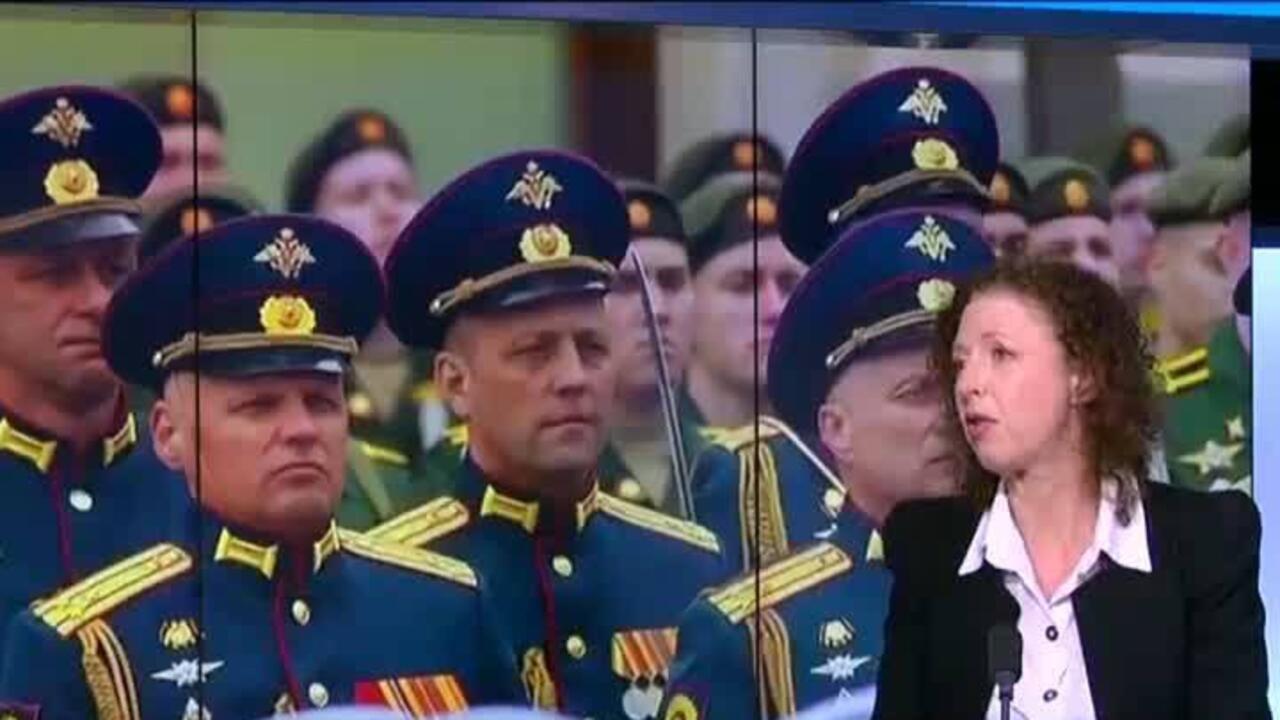
The specific focus of this doubt extends to the choice of mediator, as Putin has personally endorsed former German Chancellor Gerhard Schröder as his preferred facilitator for the conflict. This proposal was issued during Victory Day celebrations, yet it has not alleviated concerns among European policymakers regarding the reliability of the Russian position.
FRANCE 24 International Affairs Editor Shirley Sitbon noted that repeated promises of imminent peace from Moscow are actively fuelling scepticism among European officials. This sentiment is underpinned by a historical pattern of unfulfilled Russian pledges, which has previously contributed to a significant lack of trust regarding ceasefire negotiations.
While the specific details and substantive content of Putin's security proposals have not been fully detailed in the available source material, the prevailing view in Brussels is that the lack of concrete feasibility remains a critical barrier. The extent to which European officials will engage with Schröder's potential mediation role is currently described only as cautious, reflecting the broader uncertainty surrounding the timeline for any potential ceasefire talks.
Discussions regarding the future of European security architecture and the implications of NATO expansion remain active topics in the current geopolitical landscape. These strategic debates continue in parallel with the immediate uncertainty over whether Moscow's latest signals represent a genuine shift in policy or merely another iteration of diplomatic posturing.
The connection between the scepticism over Schröder and the broader security architecture discussions is thematic, highlighting the complex interplay between immediate conflict resolution and long-term strategic alignment. As the situation evolves, the focus remains on verifying the substance of the proposals rather than accepting the surface-level assurances offered by the Kremlin.