European leaders push for operational clarity on Article 42.7 as transatlantic tensions rise
French President Macron and Cypriot President Christodoulides call for a binding interpretation of the EU clause, prompting the European Commission to draft a blueprint and handbook for implementation.
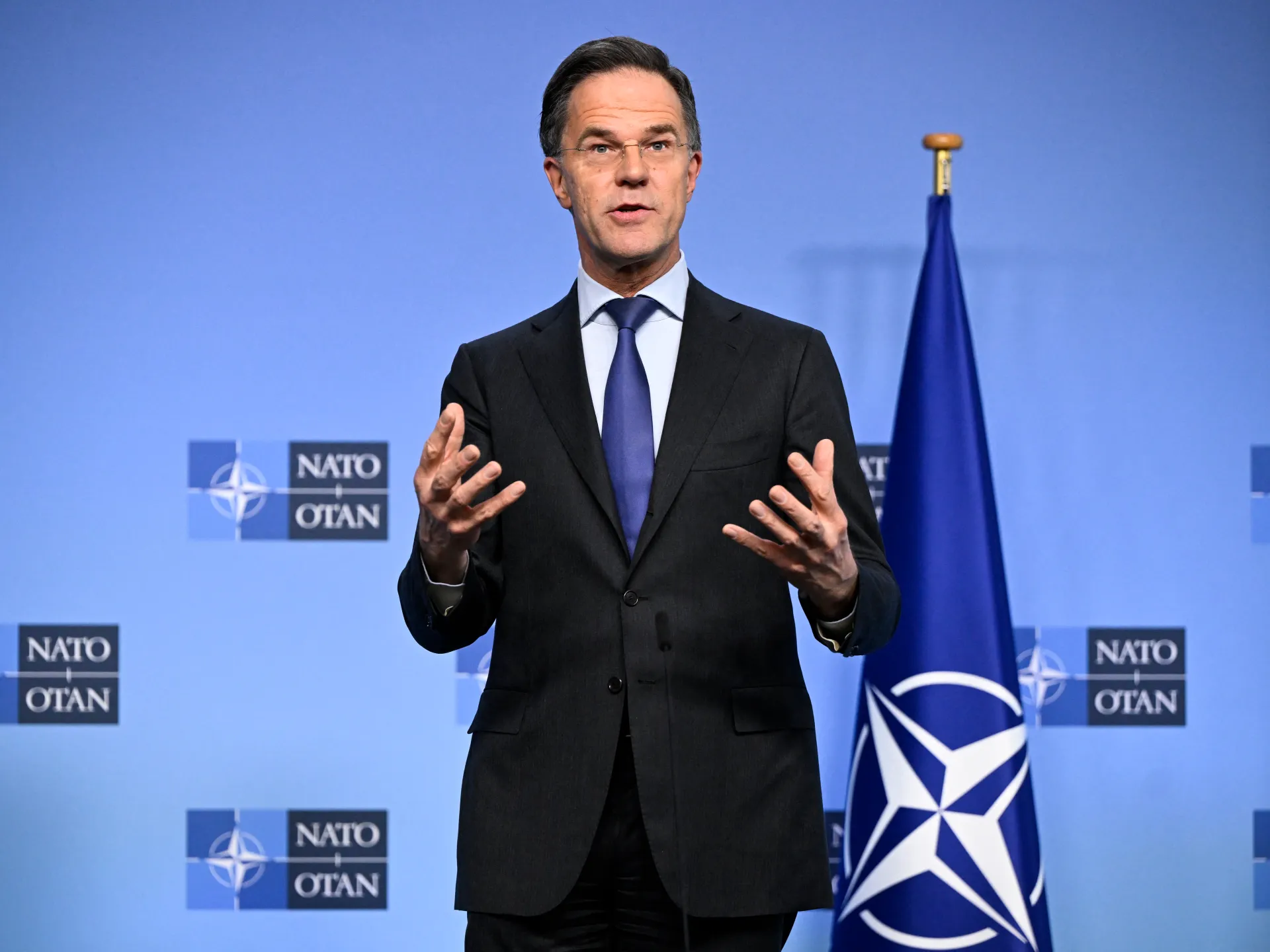
European leaders have initiated a formal discussion regarding the activation of the EU's Article 42.7 mutual defence clause, driven by deepening strains in transatlantic relations. This strategic shift follows President Donald Trump's criticism of the NATO alliance and his questioning of its value in the wake of the US and Israel's war on Iran. While the European Commission is currently preparing a blueprint and a practical handbook to define the provision's application, the initiative reflects a broader European desire to secure independent defence mechanisms.
The urgency of this policy review is underscored by specific recent events, including a drone strike on a British airbase in Cyprus. Cypriot President Nikos Christodoulides confirmed that leaders agreed the European Commission must prepare a blueprint on responding if Article 42.7 is triggered, citing the incident as a potential catalyst for the defence discussions. This move highlights the need for a concrete framework where the EU can respond to aggression without relying solely on the integrated military command structures of NATO.
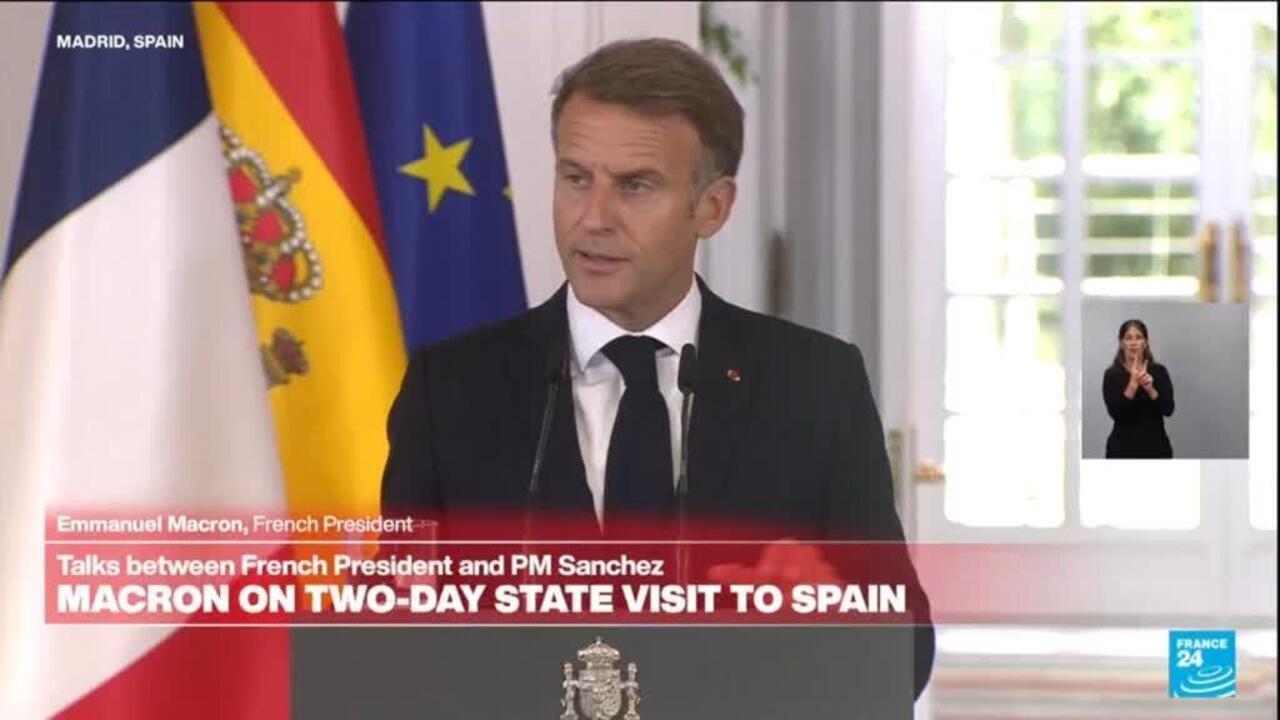
French President Emmanuel Macron has been vocal in his stance, stating that Article 42.7 must be treated as a binding commitment rather than a symbolic gesture. During a visit to Greece, he explicitly rejected ambiguity in the clause's interpretation, arguing that there is no room for it. This position aligns with the view that the provision represents a serious obligation for member states to provide aid by all means in their power, distinct from the political declarations often associated with security guarantees.
Antonio Costa, President of the European Council, announced that the bloc is drawing up a handbook for the use of the clause to ensure clarity in practice. Simultaneously, EU foreign policy chief Kaja Kallas declared that Europe must adapt to new realities where it is no longer Washington's primary centre of gravity. She noted that no great power has successfully outsourced its survival, emphasising that the shift in the transatlantic relationship is structural rather than temporary.
The proposed measures aim to address the limitations of Article 42.7 compared to NATO's Article 5. Unlike the North Atlantic Treaty, which is underpinned by the military weight of the US and supported by common planning, the EU clause lacks an integrated military command structure and automatic response mechanisms. Consequently, the European Commission's work to define how the provision would be implemented is seen as a critical step toward enhancing the credibility of European collective defence.
This development coincides with reports that the Pentagon is examining options to punish allies perceived as insufficiently supportive during the Iran war, including potential suspension of Spain from NATO. While experts note there is no legal mechanism to remove a member, the episode has cast doubt over the alliance's unity and revived questions about Europe defending itself without Washington.
The European Commission's preparation of a blueprint and handbook represents a significant institutional response to these geopolitical pressures. By formalising the procedures for invoking Article 42.7, European leaders are seeking to ensure that the clause functions as a robust security guarantee, independent of the volatile political climate within the transatlantic partnership.