European allies reaffirm Spain's Nato membership amid reported US threats
Following leaked Pentagon correspondence suggesting punitive measures, European partners emphasise that Nato functions by consensus rather than as a tool for American foreign policy
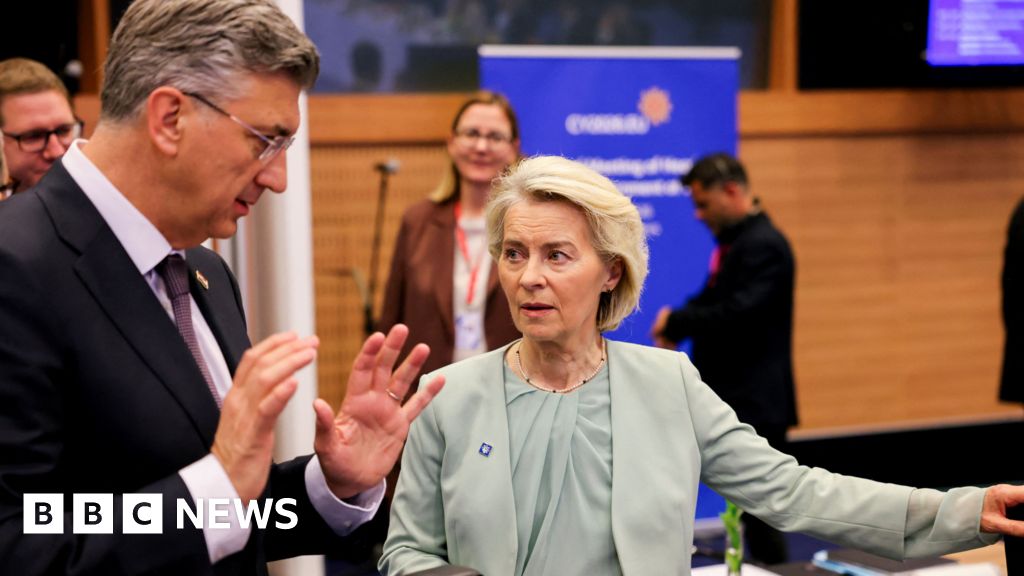
At a Nato summit in Cyprus, European leaders collectively defended Spain against reported threats to suspend its membership or impose sanctions. The confrontation arose from leaked Pentagon emails suggesting punitive measures against Spain for refusing US requests to utilise its military bases for strikes on Iran and for failing to increase defence spending to 5 per cent of GDP. While US President Donald Trump expressed anger over Spain's refusal, allies including the Netherlands, Germany, and Italy reaffirmed Spain's status, citing treaty provisions requiring unanimous consent for expulsion.
Spanish Prime Minister Pedro Sanchez dismissed the emails as unauthorised, stating that Spain acts on official government positions rather than informal correspondence. The incident underscores growing transatlantic friction, with other nations like the United Kingdom also facing US criticism, while European officials emphasise that Nato operates on consensus rather than unilateral US direction. Camille Grande, Secretary General of ASD Europe, noted that the leaked mail betrays a fundamental misunderstanding in the Trump administration about what Nato does and what Nato is.
Italian Prime Minister Giorgia Meloni, who was once seen as close to Donald Trump, publicly criticised the tensions between Washington and Madrid, describing them as not at all positive. This stance drew Trump's ire, with the President lashing out at the Italian premier in subsequent comments. The dispute highlights a broader shift in public opinion across Europe, which has turned against the US President's approach to the alliance and his derogatory remarks regarding international figures.
The leaked correspondence also suggested a possible review of the US position on the United Kingdom's claim to the Falklands islands, following Prime Minister Keir Starmer's refusal to allow deeper British involvement in the conflict. While the UK has recently permitted the use of bases for strikes on Iran, Starmer maintains that greater involvement is not in Britain's interest. Trump has repeatedly lashed out at him verbally as a result, mirroring the hostility directed at Spain.
European leaders are reportedly exploring the EU's mutual defence clause, Article 42.7, as a contingency if Nato's Article 5 proves redundant due to US policy shifts. Ursula von der Leyen, head of the European Commission, stated that while the treaty is clear about the obligation to come to each other's aid, it is not clear about what happens when or who does what in such scenarios. This legal uncertainty has prompted nations to consider alternative frameworks for collective security.
Former Nato Secretary General Jens Stoltenberg warned that the alliance's continued existence is not guaranteed ten years from now if such tensions persist. He argued that the United States is safer to have friends and allies, noting that the US and its partners represent 50 per cent of the world's military might. In contrast, powers like Russia and China do not possess such global structures, making the transatlantic relationship a matter of mutual interest despite current disagreements.