Europe pivots to nuclear energy to secure independence amid regional instability
Linxi News analysis: The strategic shift relies on existing European supply chains and a workforce of half a million skilled workers to counter energy insecurity
The conflict with Iran has triggered a fundamental reevaluation of energy strategy across several European economies, driving a renewed focus on nuclear power as a mechanism to resolve the current energy crisis. In response to these geopolitical pressures, nations such as Sweden, Belgium, and Italy are actively rolling back previous regulatory restrictions that had previously limited nuclear generation. This policy shift marks a significant departure from earlier stances, positioning nuclear energy as a central pillar of national security and economic stability.
While the northern and southern European states adjust their regulatory frameworks, France and the United Kingdom are spearheading the initiative by launching new nuclear projects. This coordinated approach suggests a broader consensus that nuclear power offers a dual solution to the region's pressing challenges: it provides a low-carbon source that does not produce greenhouse gases during production, while simultaneously enhancing energy independence by reducing reliance on external fuel supplies.
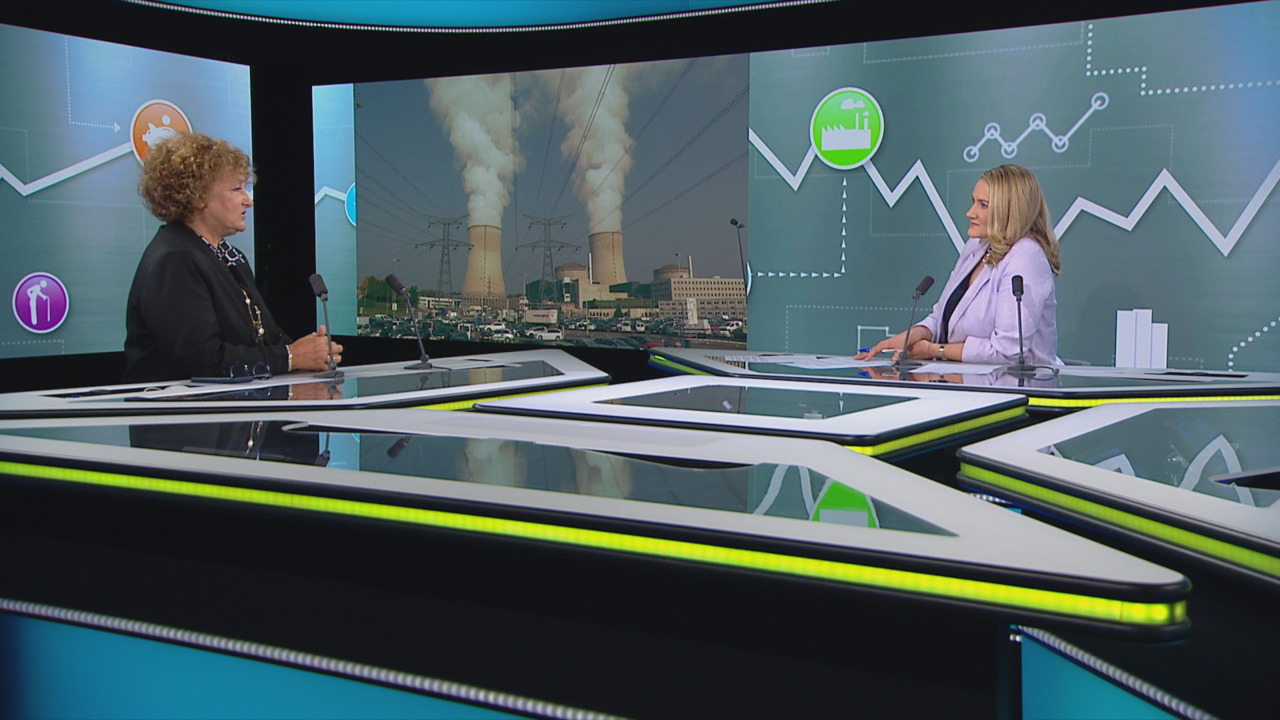
Valérie Faudon, executive director of the French Nuclear Energy Society (SFEN), argues that the industry must overcome negative public perceptions by demonstrating that nuclear energy is one of the safest means of producing energy, comparable to aviation standards in terms of safety records. She notes that the sector has addressed these concerns through major transparency regarding events and the implementation of very strong controls over industry operations to ensure public trust is maintained during this strategic pivot.
The feasibility of this expansion is underpinned by Europe's existing industrial capacity, which Faudon describes as robust and self-sufficient. The region possesses a workforce of approximately half a million skilled workers capable of constructing nuclear plants, with France cited as a model of complete independence. This domestic capability extends to the full supply chain, allowing nations to build their own facilities and engineering centres, as well as process uranium ore into usable nuclear fuel without external dependency.
However, the landscape of global nuclear development is shifting, with China emerging as a dominant force in the sector. Reports indicate that China is investing heavily in low-cost reactors, a strategy that is turning the nation into a nuclear energy powerhouse. This development adds a layer of complexity to the European strategy, as the continent seeks to secure its own energy future while navigating a global market where competition for resources and technology is intensifying.
The implementation of these new projects and the reversal of bans in Sweden, Belgium, and Italy face inherent uncertainties regarding specific timelines and the potential for domestic political opposition. Despite these variables, the consensus among proponents remains that the combination of low-carbon benefits and enhanced energy sovereignty makes nuclear power an essential component of Europe's response to the ongoing energy crisis.