Euclid telescope captures Milky Way bulge ahead of NASA’s Roman mission
The European Space Agency’s Euclid telescope has delivered a high-resolution image of the Milky Way’s dense central region, providing critical context for NASA’s upcoming Nancy Grace Roman Space Telescope mission.
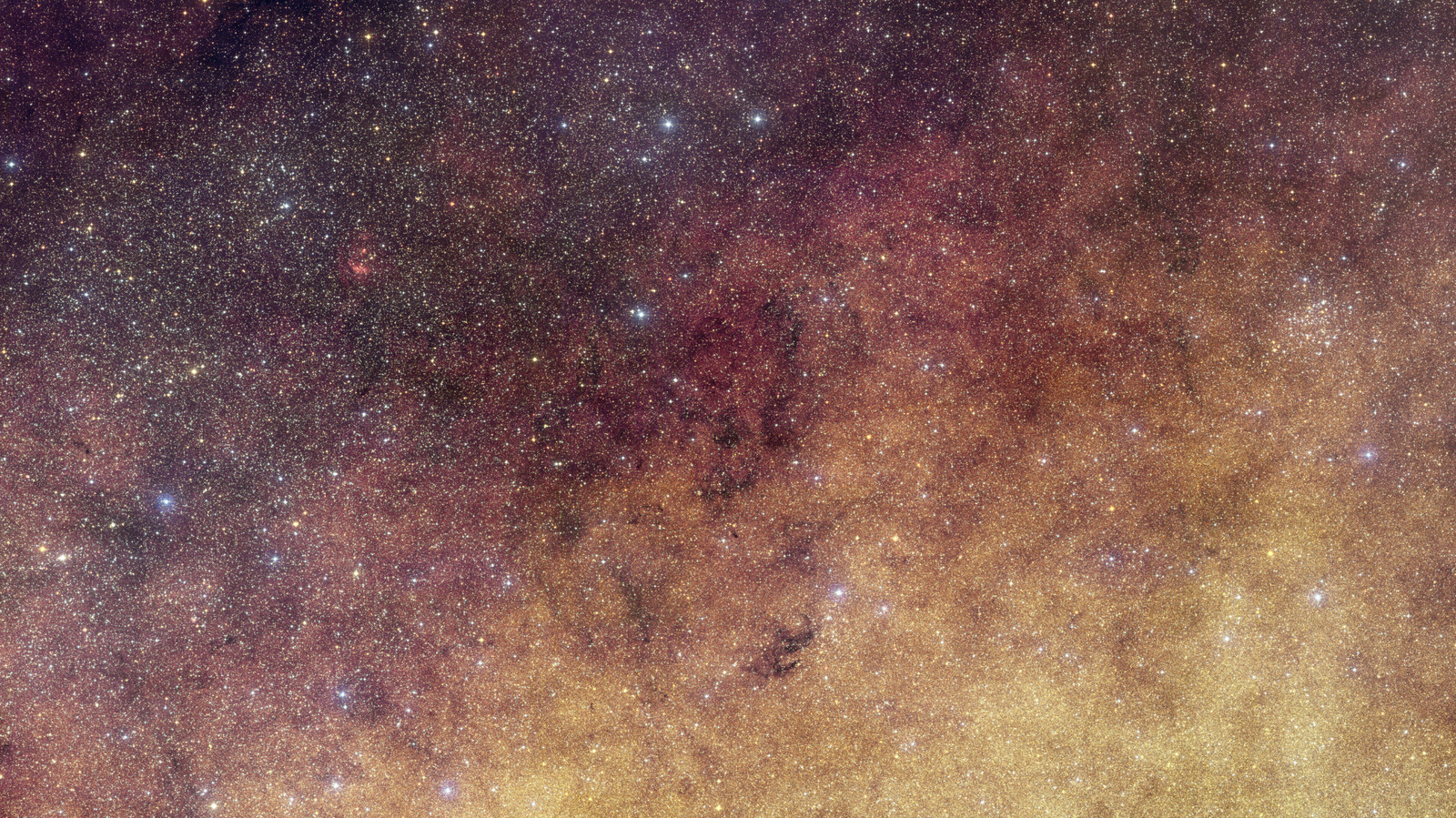
The European Space Agency’s Euclid telescope has captured a detailed image of the galactic bulge, the dense, bulbous centre of the Milky Way. This observation marks a rare, one-day deviation from the instrument’s primary six-year mission to map the geometry of the dark universe. The snapshot was taken in March 2025 and serves as a strategic precursor to the upcoming five-year mission of NASA’s Nancy Grace Roman Space Telescope, which is scheduled to launch later this summer.
Jason Rhodes, a senior research scientist at NASA’s Jet Propulsion Laboratory and the US science lead for both the Euclid and Roman projects, confirmed that this was the only time Euclid has paused its normal sky survey for such a purpose. He noted that such a deviation requires significant planning and is undertaken only when it offers high scientific impact. By adding Euclid’s high-resolution snapshot to Roman’s future survey, researchers aim to gain more insights than either telescope could deliver independently.
The Nancy Grace Roman Space Telescope will focus on monitoring the galactic bulge for microlensing events, a phenomenon where the gravity of a massive object bends and magnifies light from distant background stars. While most lensing objects are stars, the survey aims to detect isolated stellar-mass black holes and rogue planets. Estimates suggest there are approximately 100 million such black holes in the Milky Way, making the identification of these hard-to-find cosmic treasures a key objective.
David Bennett, a senior research scientist at NASA’s Goddard Space Flight Center, provided context on the microlensing detection capabilities. The collaboration leverages the strengths of both telescopes: Euclid provides broad context and detailed imagery, while Roman will conduct long-term monitoring for transient events. This combined data is expected to enhance the mapping of the galaxy and aid in the identification of these elusive objects.
The galactic bulge is a densely packed region that has historically been difficult to study. Previous investigations have identified "bulge fossil fragments," offering new insights into the formation and history of this section of the galaxy. The Euclid image highlights the sheer number of stars in this crowded area, providing a clear visual reference for the complex environment that Roman will investigate.
While the James Webb Space Telescope has recently dominated space coverage with its own imagery, this Euclid observation underscores the value of diverse instruments in astronomical research. The image serves as a bright preview of the region, setting the stage for Roman’s detailed analysis of stellar changes and celestial dynamics within the bulge.