EU signals gradual integration for Western Balkans amid enlargement reform
Chancellor Friedrich Merz and President Emmanuel Macron outline a strategy to allow pre-membership participation in EU formats, aiming to address stagnation in the region’s bid for union entry.
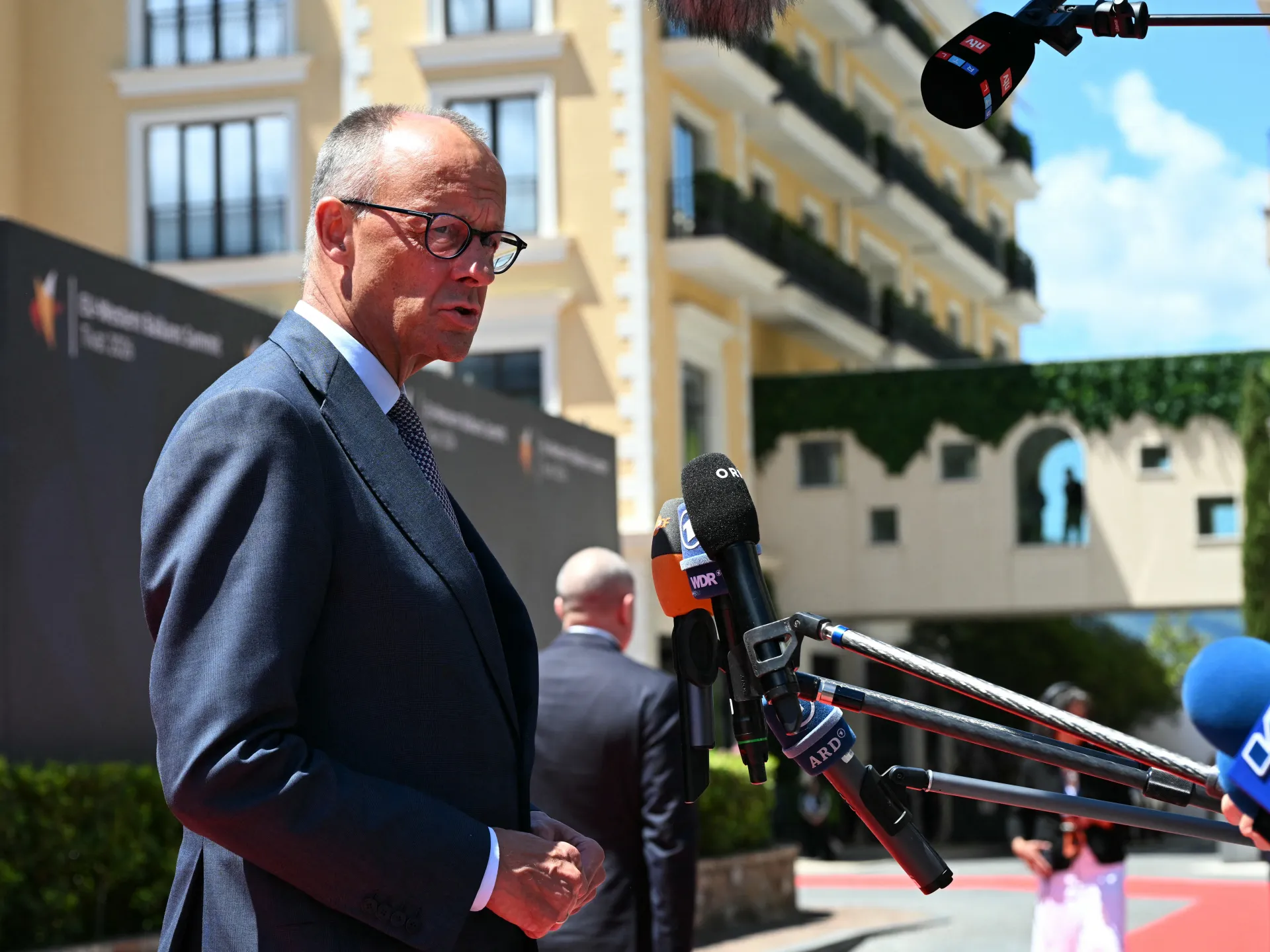
German Chancellor Friedrich Merz has confirmed that the European Union intends to initiate a "gradual integration" process for six Western Balkan nations seeking membership. Speaking at a summit in Tivat, Montenegro, Merz described the approach as a clear signal that the bloc aims to welcome the region soon. The proposal, jointly advanced by Germany and France, seeks to accelerate accession by permitting candidate countries that meet specific criteria to participate in certain EU formats, such as European Council meetings, prior to full membership.
The initiative targets Albania, Bosnia and Herzegovina, Kosovo, North Macedonia, Montenegro, and Serbia. European Commission President Ursula von der Leyen emphasised the need to make the enlargement process "faster and more credible." French President Emmanuel Macron stated that the shared proposal addresses the EU’s own shortcomings, noting that the bloc has not welcomed new members for 13 years. The concept allows for a "halfway" integration where alignment with EU standards grants access to specific political structures without immediate full ratification.
The push for reform follows a period of stagnation, with Russia’s invasion of Ukraine in 2022 reinvigorating Brussels’s interest in expanding the bloc. Ukraine and Moldova have joined the queue of applicants alongside the Western Balkan states. However, the accession process remains complex, requiring approval from all 27 current EU members. Macron highlighted the geopolitical importance of the region, citing its significance for Europe’s independence regarding energy, security, and migration routes.
Progress within the candidate group is uneven. Montenegro and Albania are emerging as frontrunners, pulling ahead of Serbia and Bosnia and Herzegovina, which are lagging on required reforms. European Commissioner for Enlargement Marta Kos indicated that technical negotiations with Montenegro could conclude by the end of this year, potentially opening the way for membership by the end of 2028. This timeline remains ambitious given Montenegro’s ongoing challenges with justice and corruption.
Public support for EU membership has declined in some areas, particularly in Serbia, where ties with Russia have fuelled euroscepticism. Support in Serbia has dropped below 50 per cent. In response to the slow pace of integration, Serbian President Aleksandar Vucic and Albanian Prime Minister Edi Rama recently published a joint op-ed arguing for faster integration in exchange for removing veto rights for new members. The summit in Tivat, hosted by Montenegrin President Jakov Milatovic, marks a significant step in addressing these structural delays.