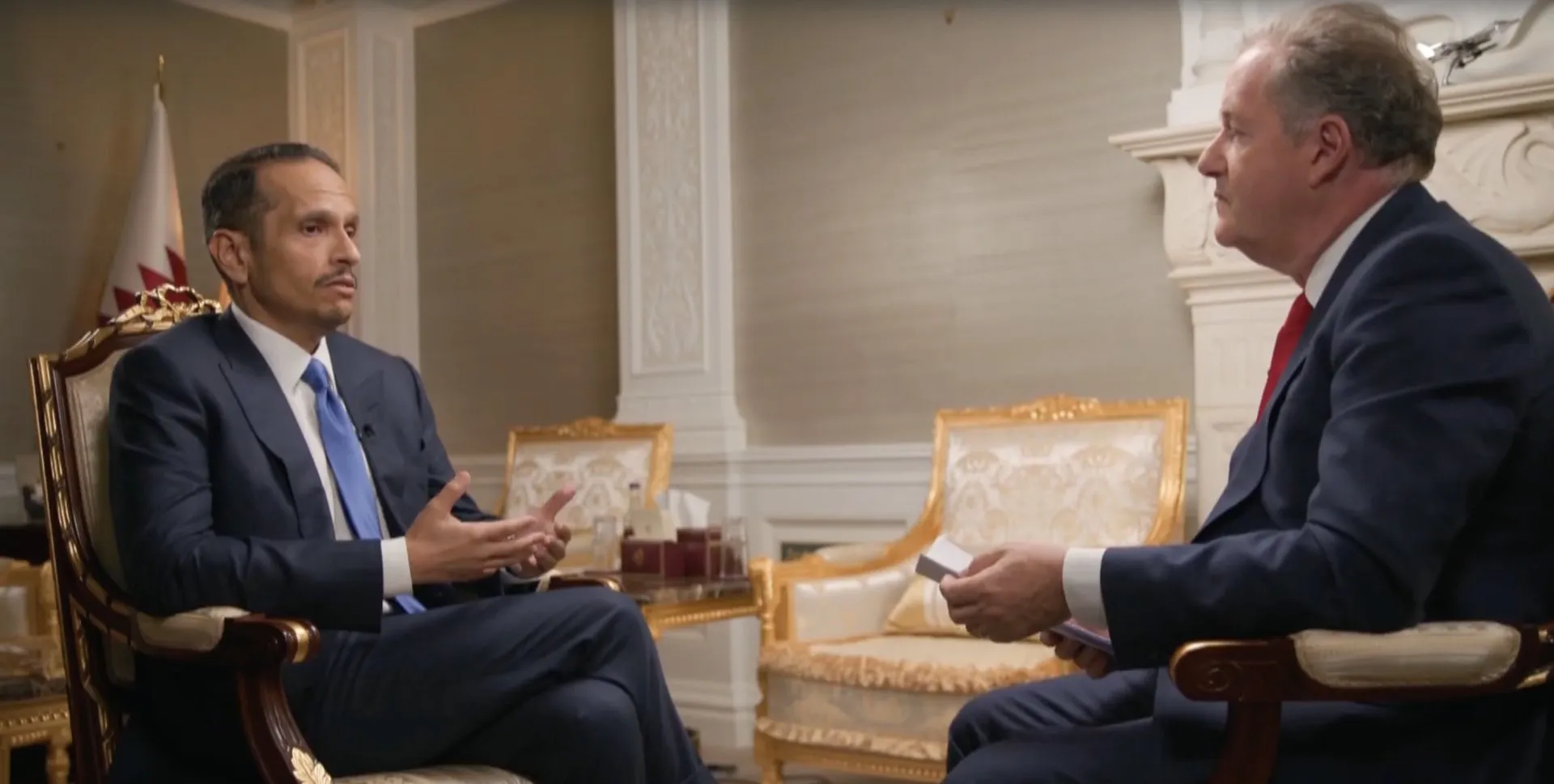
EU official clarifies bloc's stance on Armenia amid rising geopolitical tensions with Russia
In a recent intervention, the senior EU official framed the relationship with Yerevan as a necessary response to security challenges emanating from Russia, rejecting narratives that the bloc is actively antagonising Moscow.
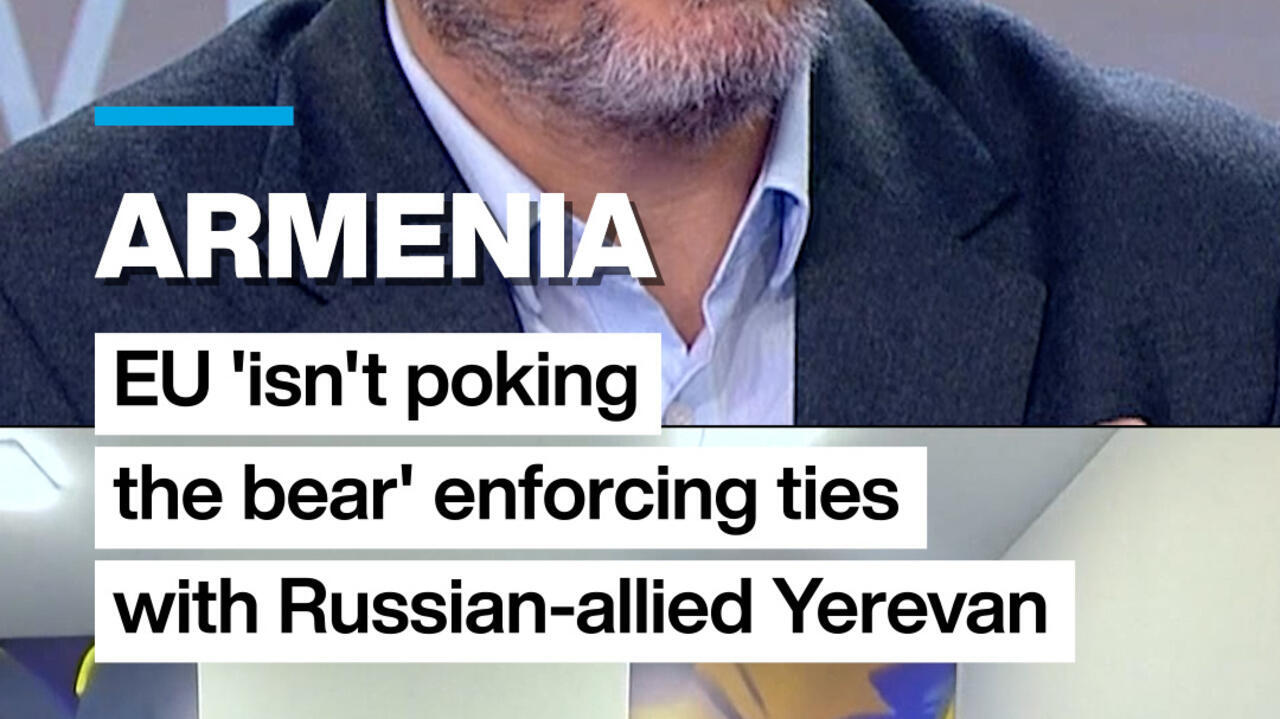
Thorniké Gordadze has stated that the European Union is not provoking Russia but is instead reacting to Moscow's threats in the region while enforcing ties with Armenia. The comments, delivered during a debate segment, sought to correct the perception that European engagement with the Caucasus nation constitutes an offensive move against the Kremlin.
By characterising the situation as a response to external pressure, the official emphasised that the EU is not poking the bear. This framing positions the bloc's diplomatic efforts as a defensive measure necessitated by the broader security environment, rather than a strategy designed to escalate friction with the Russian Federation.
The assertion highlights a specific approach to governance where maintaining institutional links with Armenia is viewed as compatible with addressing regional instability. Gordadze suggested that the EU's commitment to Yerevan is a calculated response to the threats posed by Moscow, ensuring that diplomatic channels remain open despite the underlying tensions.
While the source material does not detail the specific nature of the threats emanating from the Russian side, the official's rhetoric underscores the gravity of the situation. The narrative presented suggests that Moscow's actions in the region have forced the European Union to adopt a posture that prioritises stability and alliance maintenance over appeasement.
This statement serves as a clarification of the EU's strategic intent, distinguishing between active provocation and reactive enforcement of ties. The official's words indicate that the bloc views its relationship with Armenia as a stabilising factor within a volatile geopolitical landscape, directly linked to the security challenges generated by Russia.
Ultimately, the focus remains on the institutional necessity of upholding these connections in the face of Moscow's conduct. The EU's position, as articulated here, is one of measured engagement, driven by the need to counteract regional threats rather than to initiate conflict.