EU fails to finalise proposal to remove Russian billionaires from sanctions list
Member states will resume talks over the proposed removal of Alisher Usmanov and Mikhail Fridman while seeking to extend sanctions on almost 3,000 individuals and entities.
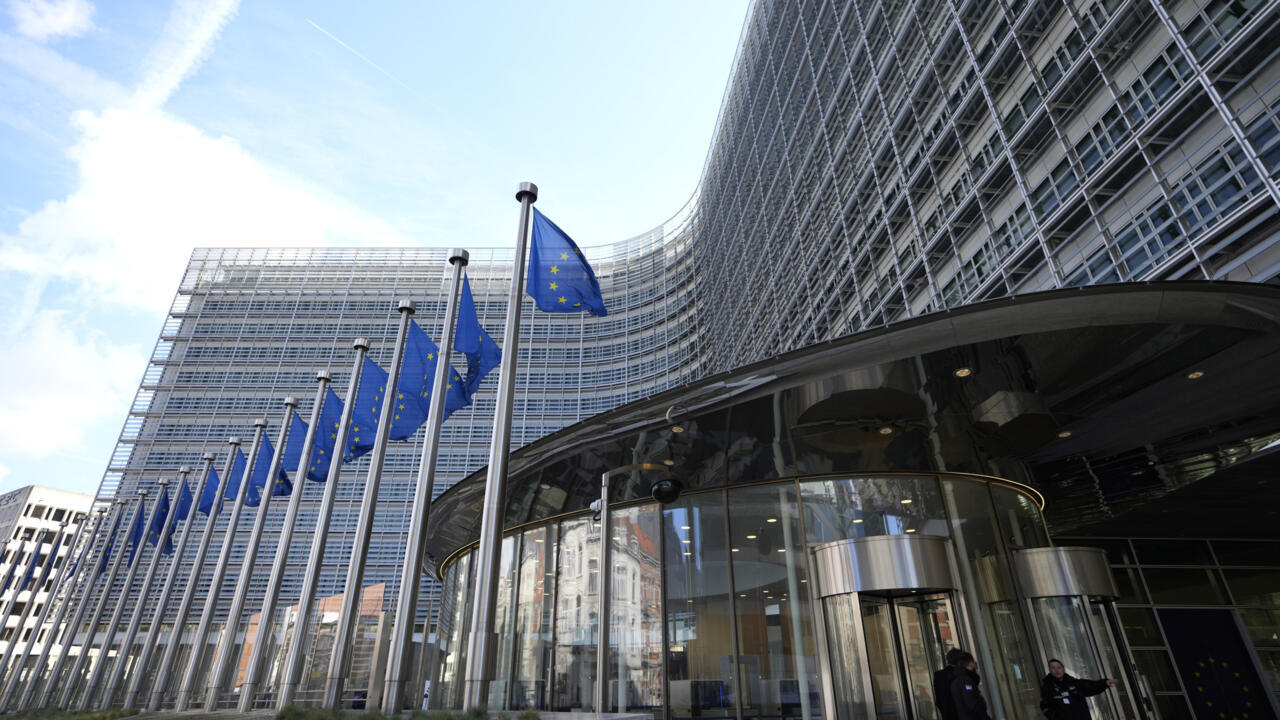
EU countries have failed to finalise a proposal to remove Russian billionaires Alisher Usmanov and Mikhail Fridman from the bloc’s sanctions list, leaving the wider sanctions regime unresolved ahead of a Tuesday deadline.
France 24 International reported that member states had reached a provisional agreement to remove the two men as part of a compromise to extend sanctions on almost 3,000 individuals and entities linked to Russia’s war in Ukraine. The proposal did not receive final approval after Latvia lodged a last-minute objection, according to a diplomat cited by AFP.
EU ambassadors are due to resume talks in Brussels at 0600 GMT on Tuesday. The reasons for Latvia’s objection have not been stated, and it remains unclear whether the ambassadors will reach an agreement.
The reported compromise would have kept the broader sanctions in place for three years, replacing the previous system of six-month renewals. Poland and the Baltic states have opposed easing sanctions, arguing that pressure on Russia should be increased.
France has cited national security concerns over Usmanov’s proposed removal, without publicly providing details. Luxembourg has pushed for Fridman’s removal. A reported link between France’s position and a possible prisoner-release deal involving French nationals in Azerbaijan has not been confirmed by officials.
Usmanov and Fridman were added to the EU list after Russia’s 2022 invasion of Ukraine and are challenging the sanctions in court. Ukraine’s foreign minister has called their removal unacceptable and urged the EU to tighten sanctions, while EU foreign policy chief Kaja Kallas has said the sanctions should remain a core part of the bloc’s response to the war.