EU electric vehicle phaseout faces German challenge over emissions accounting
Studies cited by Deutsche Welle find electric vehicles produce substantially lower lifetime emissions than petrol cars, despite higher production impacts.
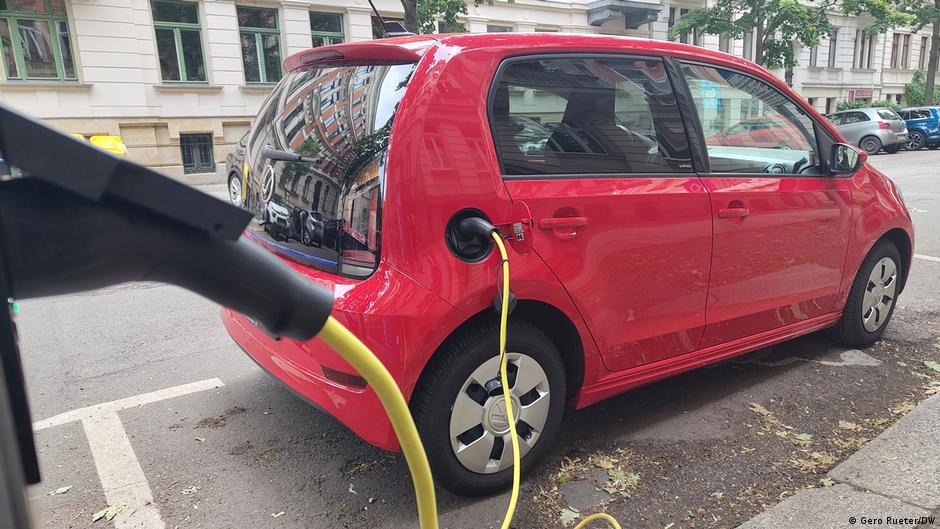
Germany’s debate over the European Union’s planned 2035 phaseout of new internal-combustion vehicle sales is turning on how vehicle emissions should be measured. Conservative Bavarian premier Markus Söder and Bild newspaper have criticised the treatment of battery-electric vehicles as climate-neutral and called for the policy to be reconsidered.
A Technical University of Munich report said electric vehicles reduce emissions by 41 per cent on average compared with combustion-engine vehicles when broader impacts are included. The report argued that assessments should cover a vehicle’s full life cycle, including materials, manufacturing, fuel and electricity generation.
Experts cited by Deutsche Welle said life-cycle analysis was already established and disputed the report’s novelty. A 2025 International Council on Clean Transportation study found lifetime emissions from electric vehicles sold in the EU were, on average, 73 per cent lower than those of petrol cars, and up to 78 per cent lower when renewable electricity was used. Other studies cited by Deutsche Welle estimated reductions of between 60 and 66 per cent.
Electric vehicles nonetheless begin with a higher emissions burden. The ICCT study estimated production emissions were about 40 per cent higher than for petrol vehicles, largely because of battery production. That difference was offset after about 17,000 kilometres of driving, according to the study.
Battery mining, manufacturing and the electricity used for charging remain significant considerations. Mining resources such as lithium and cobalt has been linked to habitat destruction and water depletion, while charging with fossil-fuel-generated electricity increases indirect emissions. Hybrid vehicles generally produce fewer emissions than conventional cars but more than fully electric vehicles.
Deutsche Welle reported that Europe’s electricity grid is more than 70 per cent decarbonised, with further improvement expected. Experts also pointed to projected advances in battery production, recycling and materials sourcing, but the studies use different methods and assumptions. The evidence supports lower lifetime emissions for electric vehicles while leaving their environmental costs central to the policy debate.