EU and Armenia formalise connectivity pact at inaugural bilateral summit
The summit marks a strategic shift for Yerevan, though the nation remains within the Eurasian Economic Union and dependent on Russian energy supplies
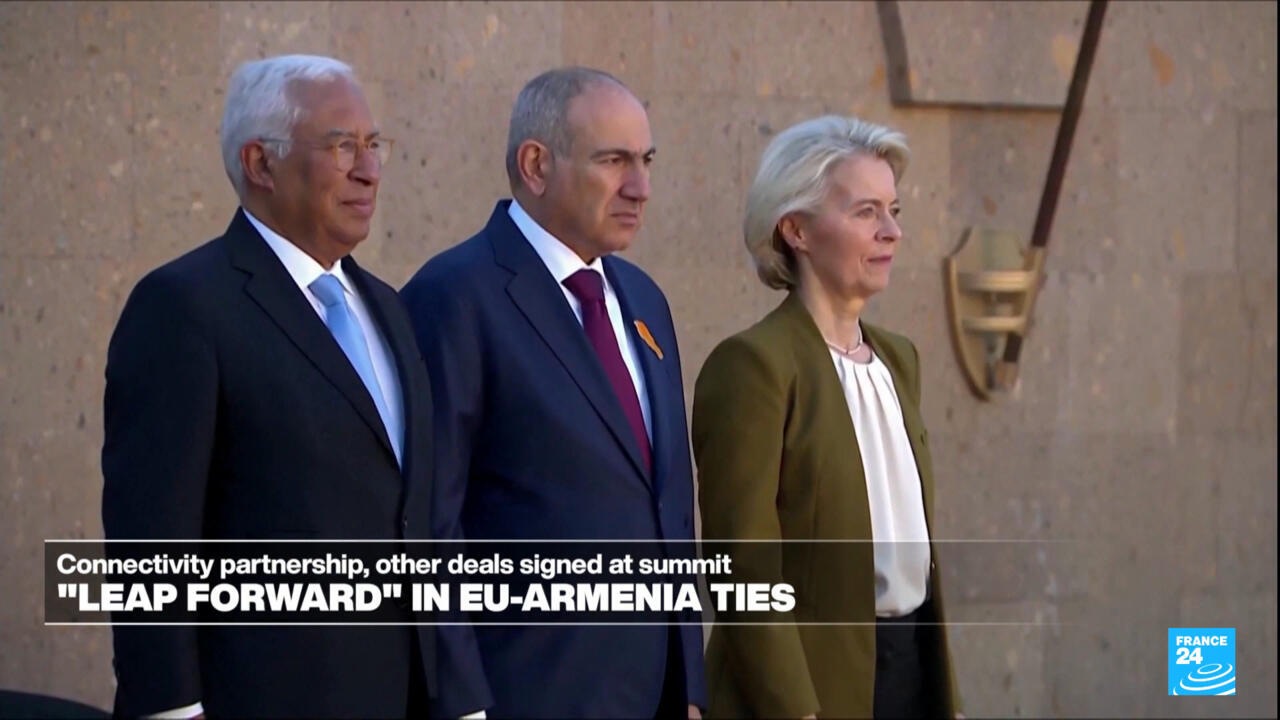
The European Union and Armenia have concluded their first-ever bilateral summit, a diplomatic milestone that resulted in the signing of a new connectivity partnership. The agreement, reached during the inaugural high-level meeting, aims to foster closer economic ties by targeting improvements in transport infrastructure, energy cooperation, and digital links between the two entities.
This development signals a strategic decision by Armenia to pursue a cautious pivot towards Western integration. The move represents an attempt to broaden the nation's economic horizons beyond its traditional geopolitical sphere, even as the former Soviet state navigates a complex regional landscape.
Despite the new engagement with Brussels, Armenia maintains its status as a member of the Moscow-led Eurasian Economic Union. The country continues to rely heavily on Russian energy supplies, creating a nuanced backdrop for this Western outreach. The coexistence of these two distinct economic orientations highlights the delicate balance Armenia must strike in its foreign policy.
The specific connectivity partnership focuses on three key pillars: transport, energy, and digital links. While the summit has established a framework for enhanced cooperation in these sectors, the precise financial commitments or quantitative targets within the agreement have not been detailed in the available reporting.
The event underscores the evolving nature of Armenia's international relations, occurring alongside other unrelated regional developments such as North Korea welcoming foreign delegations to a spring trade fair. However, the primary focus remains on the institutional shift represented by the EU-Armenia dialogue.
As the summit concludes, the extent to which this cautious pivot will translate into concrete policy shifts regarding Armenia's membership in the Eurasian Economic Union or its energy imports from Russia remains unclear. The signing of the partnership serves as a significant step forward in bilateral relations, though the full implications of this dual-track approach will require further observation.