Ethnic violence in South Kordofan deepens Sudan’s governance crisis
The Sudan Doctors Network has accused SPLM-N rebels of killing 27 civilians, including children, in attacks that threaten to escalate the civil war into a broader ethnic conflict.
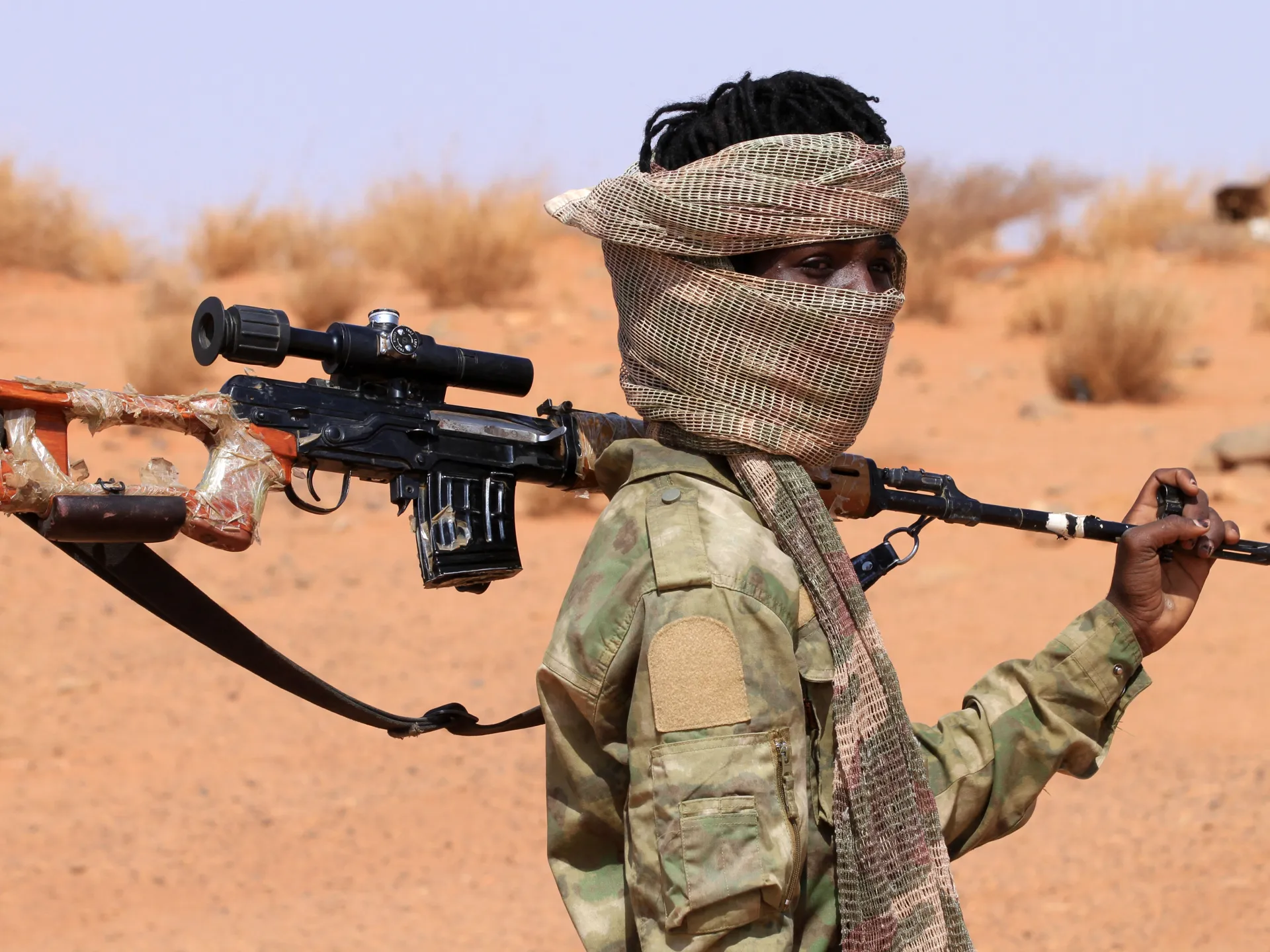
The Sudan Doctors Network has reported that 27 people, including four children, were killed in the Qardud and Abu Hamama areas of South Kordofan. The medical group attributed the killings to the Sudan People’s Liberation Movement (SPLM-N), a rebel faction aligned with the paramilitary Rapid Support Forces (RSF). The organisation stated that the attacks targeted members of the Otoro tribe on ethnic grounds, resulting in a significant wave of displacement towards the Abu Hitan area and Kadugli.
In a statement released on Tuesday, the Sudan Doctors Network described the targeting of unarmed civilians as a clear violation of international humanitarian law. The group warned that continued violations threatened to transform the conflict in South Kordofan into a broader ethnic conflict. Women were also among those wounded in the latest attacks, according to the report.
The violence follows intense fighting earlier this year between forces linked to the SPLM-N and the Otoro tribe, a minority group in the Nuba Mountains of South Kordofan. The ethnic standoff, which originated from land disputes, adds a complex layer to the country’s ongoing civil war. The broader conflict, which began in April 2023 between the Sudanese army and the RSF, has already killed at least 59,000 people and displaced approximately 14 million.
The SPLM-N is a breakaway faction of the Sudan People’s Liberation Movement, the ruling party of neighbouring South Sudan. Its leader, Abdel Aziz al-Hilu, has aligned his fighters with the RSF and joined the RSF-led parallel government in Sudan. This alignment places the rebel group within the broader political and military structure currently challenging the central government.
The Sudan Doctors Network has urged the international community to exert pressure on SPLM-N leadership to halt attacks on civilians. The group’s intervention highlights the growing concern that localised ethnic disputes are becoming entangled with the national power struggle. As the civil war continues, the humanitarian situation remains dire, with the World Health Organization estimating that 33.7 million people, or two-thirds of Sudan’s population, require assistance.
The recent deaths in South Kordofan underscore the fragility of governance in the region. With thousands of families already fleeing fighting in North Kordofan state, the displacement from the latest attacks further strains local resources. The incident serves as a stark reminder of how land disputes and ethnic tensions can exacerbate an already devastating civil war.