Ethiopia weighs stronger presidency amid questions over political legitimacy
A national dialogue has reportedly backed consideration of a presidential system that could increase Prime Minister Abiy Ahmed’s executive authority, while critics question the process’s inclusiveness.
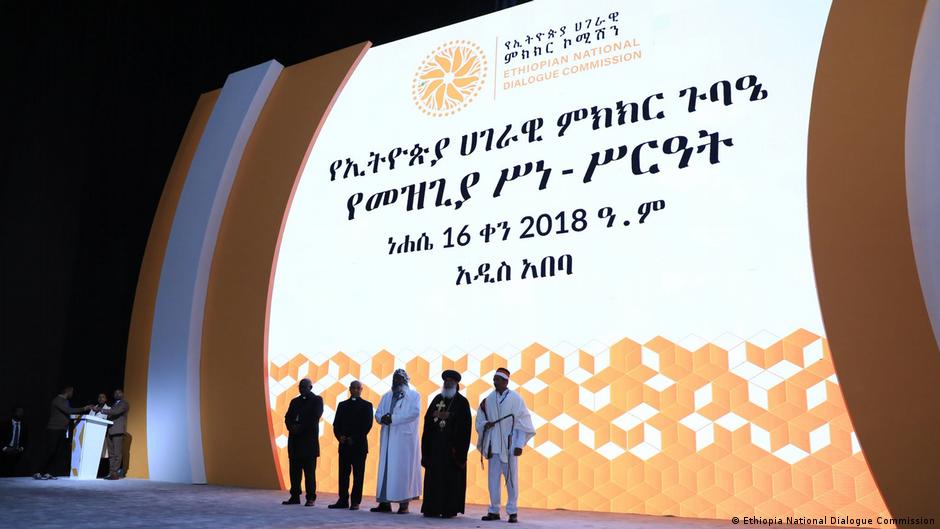
Ethiopia’s national dialogue has reportedly recommended considering a constitutional reform that could create a stronger presidential system and potentially merge or significantly strengthen the offices of president and prime minister.
The proposal could transform the largely ceremonial presidency into the country’s main centre of political power, potentially increasing the authority of Prime Minister Abiy Ahmed. However, the precise design of the system remains unsettled and no constitutional change has been approved.
The recommendation followed weeks of consultations involving about 4,000 delegates. Deutsche Welle reported that opposition parties boycotted the process and that influential armed groups were not represented, raising questions about whether the dialogue reflected the political forces involved in Ethiopia’s conflicts.
Abiy’s Prosperity Party reportedly won a large majority in June’s parliamentary elections, potentially giving the government the numbers to pursue the reform. But voting was reportedly impossible in several conflict-affected regions, while opposition parties reported restrictions and repression, leaving the democratic legitimacy of the result contested.
Supporters say a directly elected president could help build a stronger national identity across Ethiopia’s ethnic and religious divisions. Critics argue that parliamentary approval could have procedural authority without broad popular legitimacy, particularly if the reform concentrates further power in an already dominant executive.
The proposal also comes as Ethiopia continues to face armed conflicts in Oromia and Amhara, unresolved political and territorial tensions after the Tigray war, and widespread poverty. Whether a different distribution of executive power would address those underlying problems remains uncertain.