Ethiopia launches digital ID scheme to integrate refugees
The Ethiopian government, in partnership with the UNHCR, has introduced a digital identification framework designed to facilitate movement, education, and employment for thousands of refugees.
The Ethiopian government, working in conjunction with the United Nations High Commissioner for Refugees (UNHCR), has launched the Fayda digital ID system to facilitate the integration of displaced populations. The initiative represents a structural shift in how the state manages refugee status, moving away from prolonged camp-based existence toward formal civic participation.
Fayda, which translates to 'value' in Amharic, is designed to provide beneficiaries with the legal documentation necessary to move freely throughout the country. According to the scheme's parameters, the digital identity grants holders access to education services and the ability to seek formal employment, addressing long-standing restrictions on the mobility and economic activity of refugee communities.
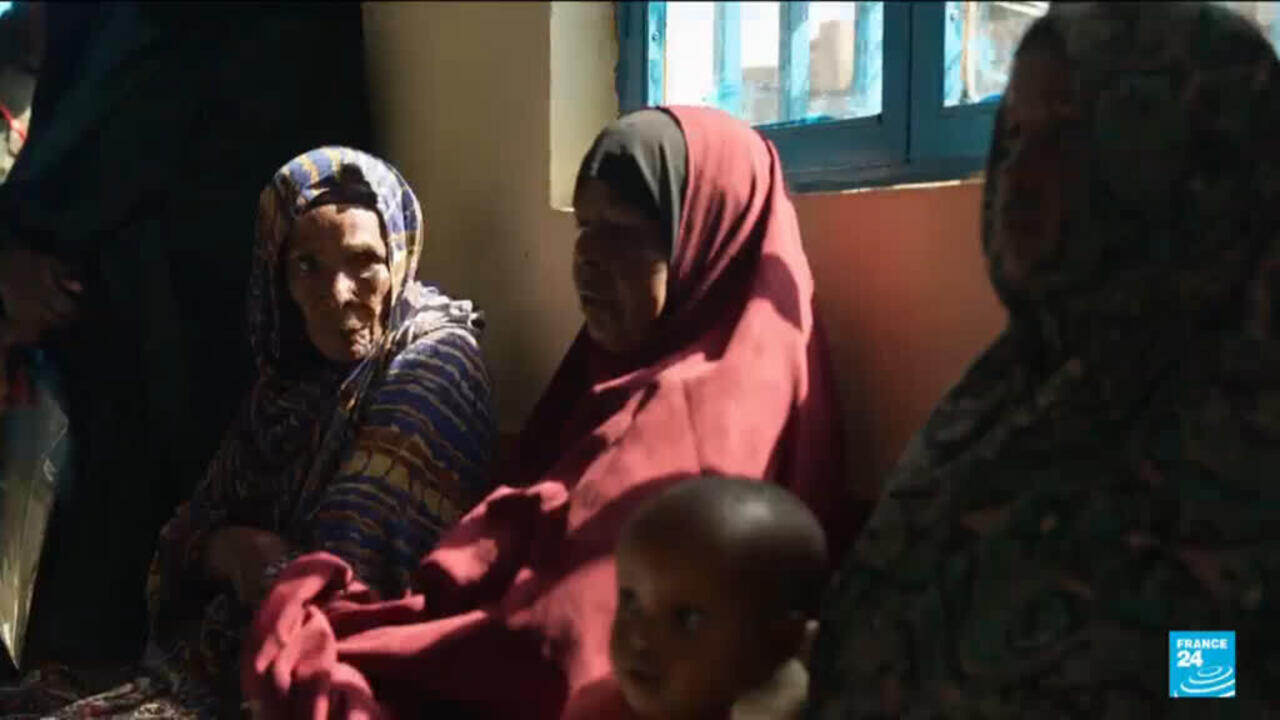
The rollout is specifically targeted at thousands of refugees residing in the Somali region. These individuals have largely fled conflict associated with Al-Shabaab and have remained in camp settings for extended periods, with some having lived in limbo for decades. The digital ID scheme aims to resolve this stagnation by providing a mechanism for reintegration and self-sufficiency.
By issuing mass digital IDs, the Ethiopian government and UNHCR are attempting to standardise the administrative status of these displaced persons. The system is intended to replace the ad-hoc or limited documentation previously available, thereby creating a verifiable identity that can be recognised across different sectors of society and government services.
The move signals a policy focus on resolving the protracted displacement crisis in the Somali region. While the system offers new capabilities for movement and economic engagement, it marks a significant administrative step in transitioning refugees from temporary shelter to a more permanent, albeit displaced, status within the national framework.