Escalating violence in southern Lebanon as airstrikes hit Nabatieh district
Israeli Defence Forces target Hezbollah infrastructure amid rising regional tensions and concurrent diplomatic talks in the Strait of Hormuz.
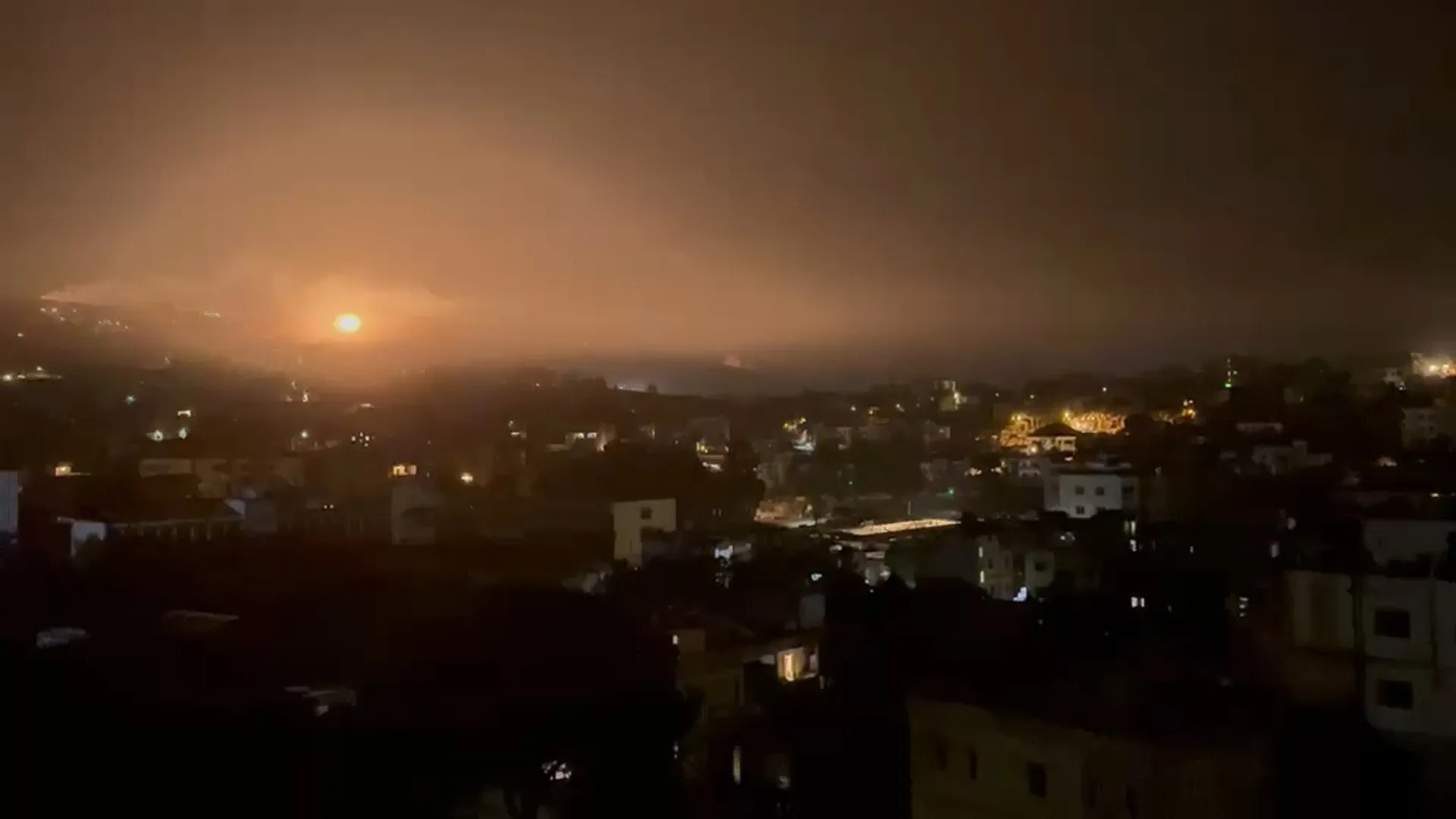
Israeli airstrikes have struck the Nabatieh district in southern Lebanon, intensifying a wave of violence that has prompted families to flee northwards. The latest strikes occurred just hours after what sources have described as the deadliest day of Israeli raids in the region, underscoring the fragility of the security situation following the truce established in June 2026.
The escalation follows a previous day of attacks that killed at least 11 people in southern Lebanon, including civilians in the village of Ansar. These incidents represent the most significant loss of life since the ceasefire was brokered, reigniting concerns over the stability of the border region and the potential for broader conflict.
The Israeli Defence Forces (IDF) stated that its operations are directed at Hezbollah infrastructure and commanders, including members of the elite Radwan Force. The military cited retaliation for attacks on Israeli troops as the justification for the continued strikes, a stance that has been met with vows of retaliation from Hezbollah and condemnation of civilian casualties by Lebanese officials.
The timing of the renewed violence coincides with heightened diplomatic activity in the wider region. Negotiations between Iran and Oman regarding the strategic importance of the Strait of Hormuz are currently underway, adding a layer of geopolitical complexity to the military engagements in Lebanon.
While the specific identity of targets in the Nabatieh strike was not immediately detailed, the displacement of civilians highlights the ongoing humanitarian impact of the conflict. The pattern of strikes and subsequent displacement suggests a deteriorating security environment, with no immediate signs of de-escalation despite the earlier truce agreement.