Engadget review: Motorola Razr Ultra’s $200 price hike undermines flagship credentials
Despite excellent battery life and a refined chassis, the new Razr Ultra’s premium pricing places it in a difficult competitive position against last year’s model and Samsung’s Galaxy Z Flip 7.
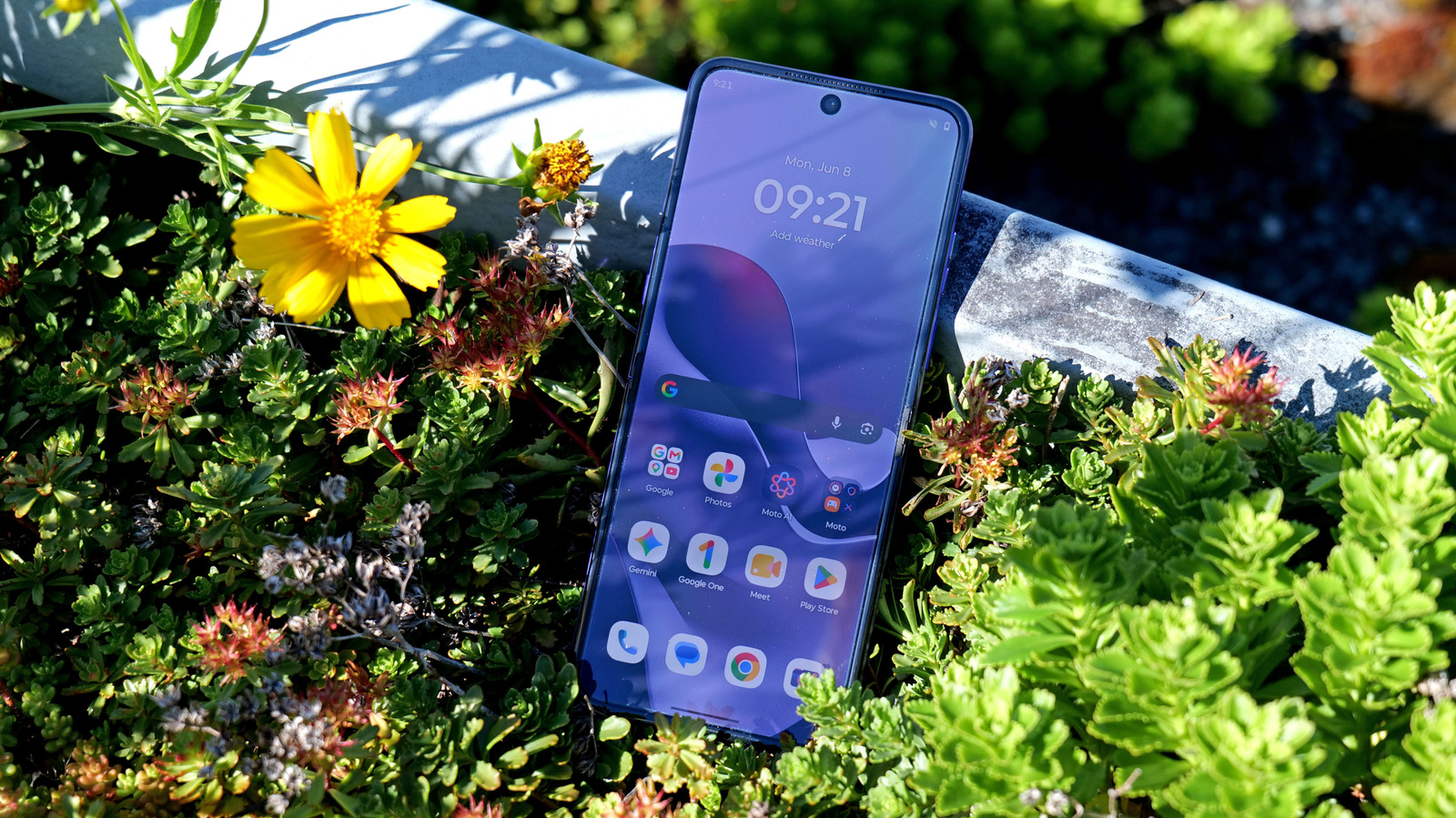
Engadget has published a comprehensive review of the 2026 Motorola Razr Ultra, characterising the device as a top-tier flip phone that is ultimately compromised by its pricing strategy. The review highlights a $200 increase over the predecessor, a premium that the publication argues is not sufficiently justified by the incremental hardware upgrades included in the new model.
The 2026 iteration retains the physical chassis of its predecessor, adhering to Motorola’s multi-year design cycle which typically reserves full redesigns for every 24 to 36 months. Internally, the device is powered by a Snapdragon 8 Elite processor paired with 16GB of RAM, specifications that remain unchanged from the previous year. However, the new model introduces a 5,000mAh battery, an increase from the 4,700mAh cell in the prior version, and a new 50MP LOFIC main camera sensor designed to improve dynamic range and signal-to-noise ratio.
Performance metrics in the review indicate strong efficiency, with the Razr Ultra recording 31 hours in a local video rundown test. This duration outperformed competitors such as the Google Pixel 10a and the Samsung Galaxy S26 Ultra. The device also supports up to 68W wired and 30W wireless charging, though users must purchase a separate proprietary TurboPower adapter to achieve these peak speeds, as no power brick is included in the box.
Photographic capabilities present a mixed picture. While the new main sensor delivers bright colours and crisp details, the review notes specific flaws, including halos around objects in bright light and noisier textures at 100% zoom compared to the Google Pixel 10 Pro. The publication also observed that the Razr Ultra’s low-light performance still lags behind Google’s Night Sight mode, a common limitation for foldable devices due to space constraints for camera sensors.
From a market perspective, the $200 price premium positions the Razr Ultra awkwardly. The previous model is available for as little as $800, while the Samsung Galaxy Z Flip 7 starts at approximately $1,100. Engadget suggests that the $1,500 price tag for the new Ultra makes it less competitive, particularly with Samsung expected to announce a new Z Flip later in the summer. The review concludes that while the Razr Ultra is a compact, high-quality device, the cost-to-upgrade ratio is steep for consumers.