Engadget outlines non-microSD methods for expanding Android storage
With mainstream Android devices shipping with at least 128GB of internal storage and few retaining expansion slots, users are turning to Google One and external drives to manage space.
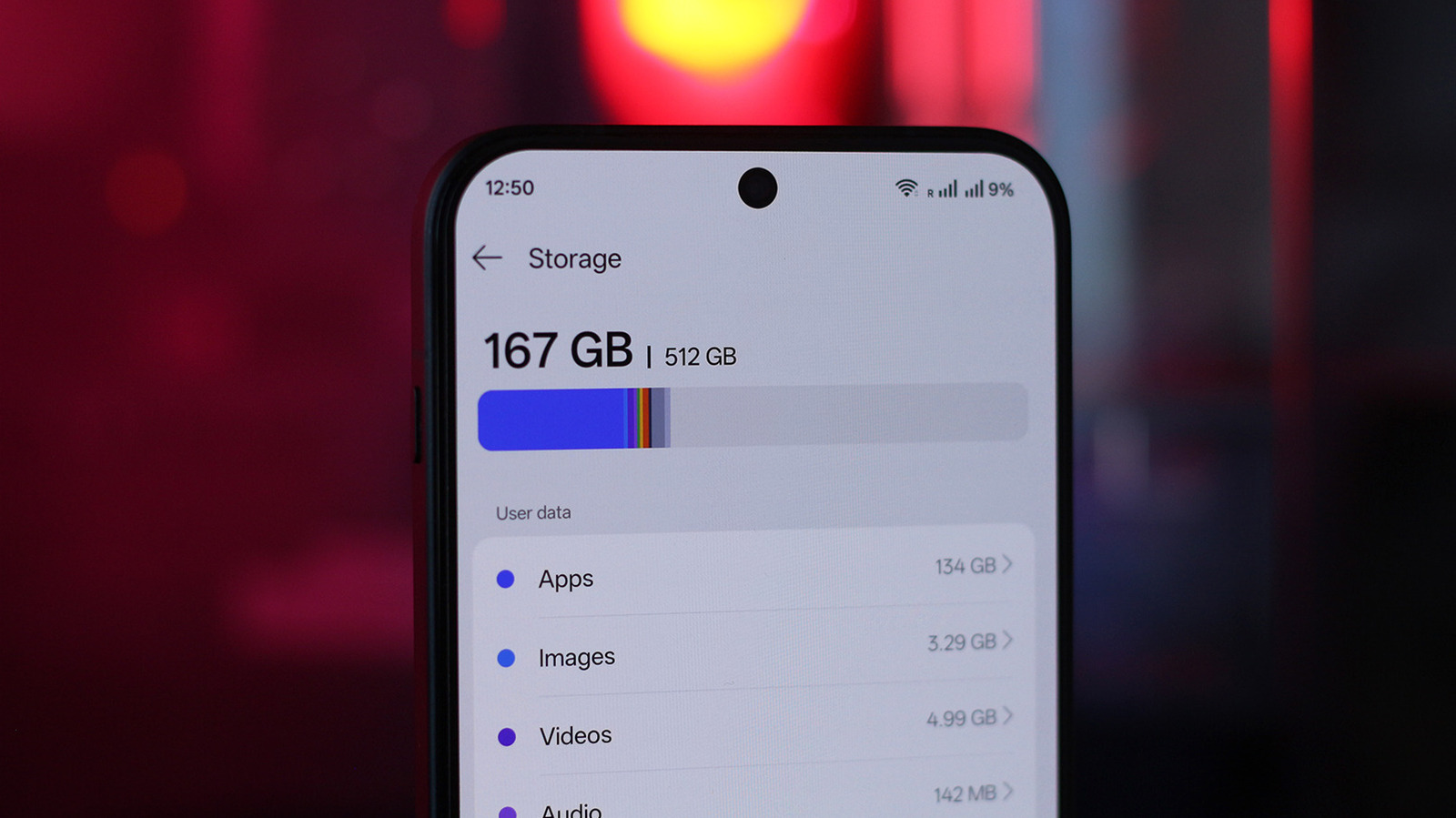
Mainstream Android smartphones now typically ship with a minimum of 128GB of internal storage to accommodate heavier workloads and larger media files, yet many users still find themselves running out of space. As the industry moves away from physical expansion, Engadget has published a guide detailing how to increase storage on devices that no longer feature microSD slots. The publication notes that while only five phones currently retain the slot, recent Android versions have improved the ability to transfer installed apps to SD cards, a feature that previously required third-party solutions.
For the majority of users without physical expansion options, cloud storage remains the most readily available solution. Engadget recommends subscribing to Google One to automatically sync photos and videos via Google Photos and offload larger documents through Google Drive. While Google accounts linked to a phone number receive 15GB of free storage, this allowance fills quickly, particularly now that Android backups count toward the limit. Users seeking more economical alternatives may look outside the Google ecosystem if they are willing to sacrifice some seamless sync functionality.
Alternatively, Engadget highlights that utilising external storage via USB-C On-The-Go (OTG) specifications has become increasingly straightforward. Nearly all Android phones support the USB OTG standard, allowing users to connect external hard drives or USB-C flash drives, often requiring only a dongle. The guide advises that users may need to enable OTG functionality in their phone’s settings for the device to automatically recognise the drive, after which the built-in file manager can access the contents.
File transfer speeds for these external drives vary depending on the phone's USB-C specification and the drive's capabilities. For those who frequently move files, a USB-C flash drive offers convenience, while many external solid-state drives include USB-C to USB-C cables, eliminating the need for additional adapters. Engadget also notes that existing full-sized SD cards can be utilised with Android phones through the use of an adapter.
High-end devices are pushing the boundaries of this external connectivity. Engadget cites the Galaxy S26 Ultra, a smartphone capable of recording 8K video, as an example of a device that can record directly onto compatible external SSDs. This capability allows users to bypass internal storage limitations entirely for high-bandwidth tasks, provided the hardware supports the necessary write speeds and connectivity standards.