Engadget details Apple Watch ECG functionality and result interpretation
A new breakdown from Engadget outlines how the electrocardiogram app on Apple Watch models measures heart rhythm, distinguishes between app versions, and advises users on when to seek medical attention.
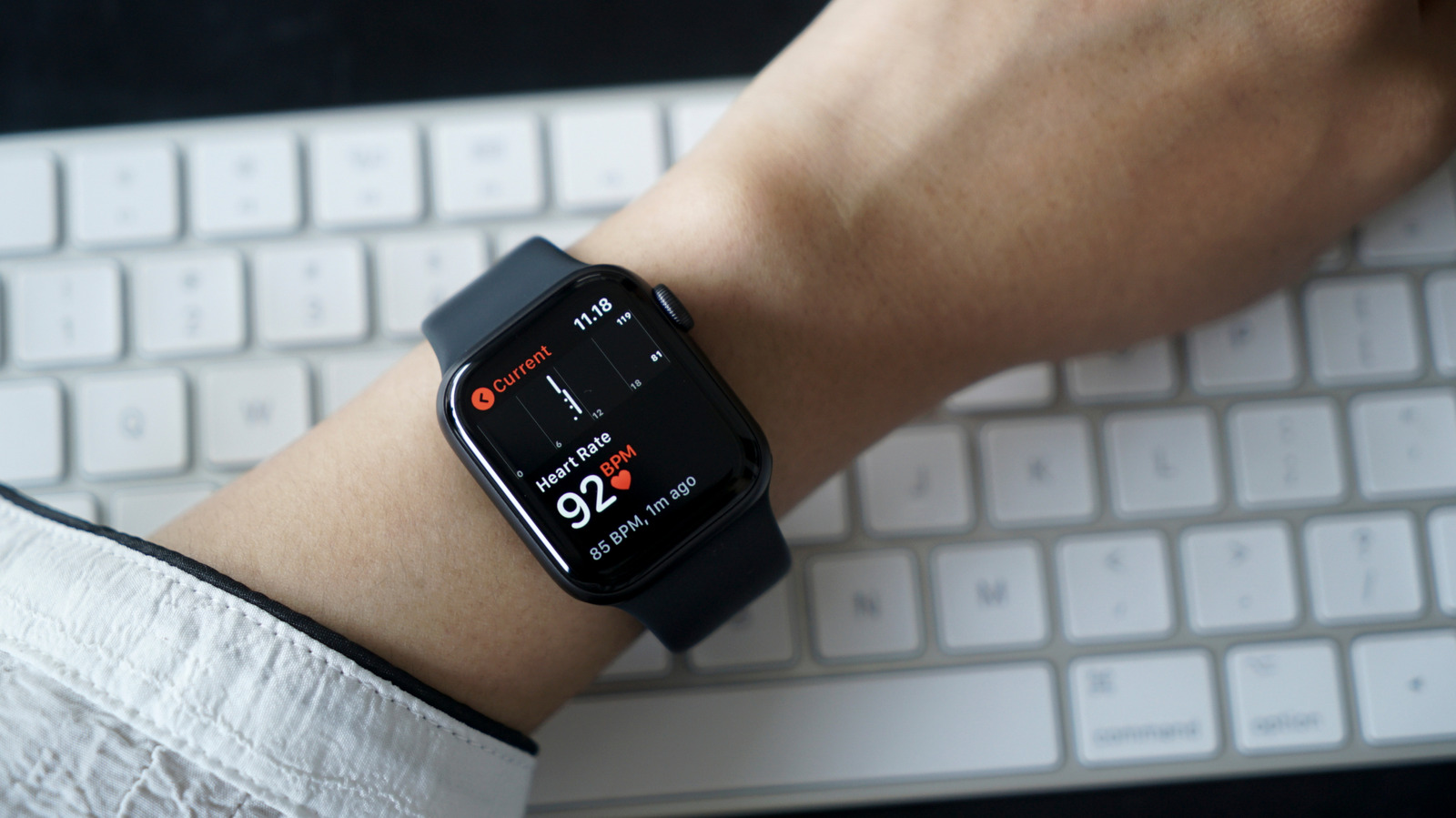
Engadget has published a comprehensive guide explaining the functionality, usage, and interpretation of results for the Apple Watch’s electrocardiogram (ECG) app. The feature, available on Apple Watch Series 4 or later (excluding SE models) and all Ultra models, measures electrical signals to provide a detailed analysis of heart rhythm, distinguishing it from the device's baseline heart rate monitoring. The ECG app requires the latest watchOS and iOS updates and is subject to regional availability restrictions, with limited access in parts of Eastern Europe, Africa, Central and South America, and the Middle East.
The ECG feature is not a diagnostic tool for detecting or preventing heart attacks. Users are advised to consult a doctor if they have concerns about their heart health, regardless of the ECG result. The guide notes that while the baseline monitor tracks beats per minute, the ECG app traces each stage of each beat, offering a deeper look at cardiac activity. However, the feature should not be used in place of professional medical attention if symptoms suggest a serious issue.
Two versions of the ECG app exist, with result thresholds varying by version due to regional regulations. For low or high heart rate triggers, Version 1 activates if the heart rate is below 50 BPM or above 120 BPM, while Version 2 triggers if it is below 50 BPM or above 150 BPM. Users can determine their app version by navigating to the ECG section in the Apple Health app or on the watch and selecting 'About'.
Result interpretations include sinus rhythm, indicating a uniform heartbeat between 50 and 100 BPM generated by the sinoatrial node, and atrial fibrillation (AFib), which signals an irregular heartbeat. Inconclusive results may occur due to pacemakers, other conditions, or physiological factors. Version 1 may also display inconclusive results if the heart rate is between 100 and 120 BPM without AFib, or if the watch is loose or the user moves.
Poor Recording is a result specific to Version 2, often caused by wetness, a loose fit, or movement during the test. The guide emphasises that while the app provides insight into heart health, users should not rely on it as a substitute for clinical diagnosis. If results are repeatedly inconclusive or indicate irregularities, consulting a healthcare professional remains the recommended course of action.