Engadget clarifies functional differences between HDMI splitters and switches
As consumer electronics evolve, understanding the distinct roles of signal routing hardware becomes critical for maintaining optimal display performance and copyright compliance.
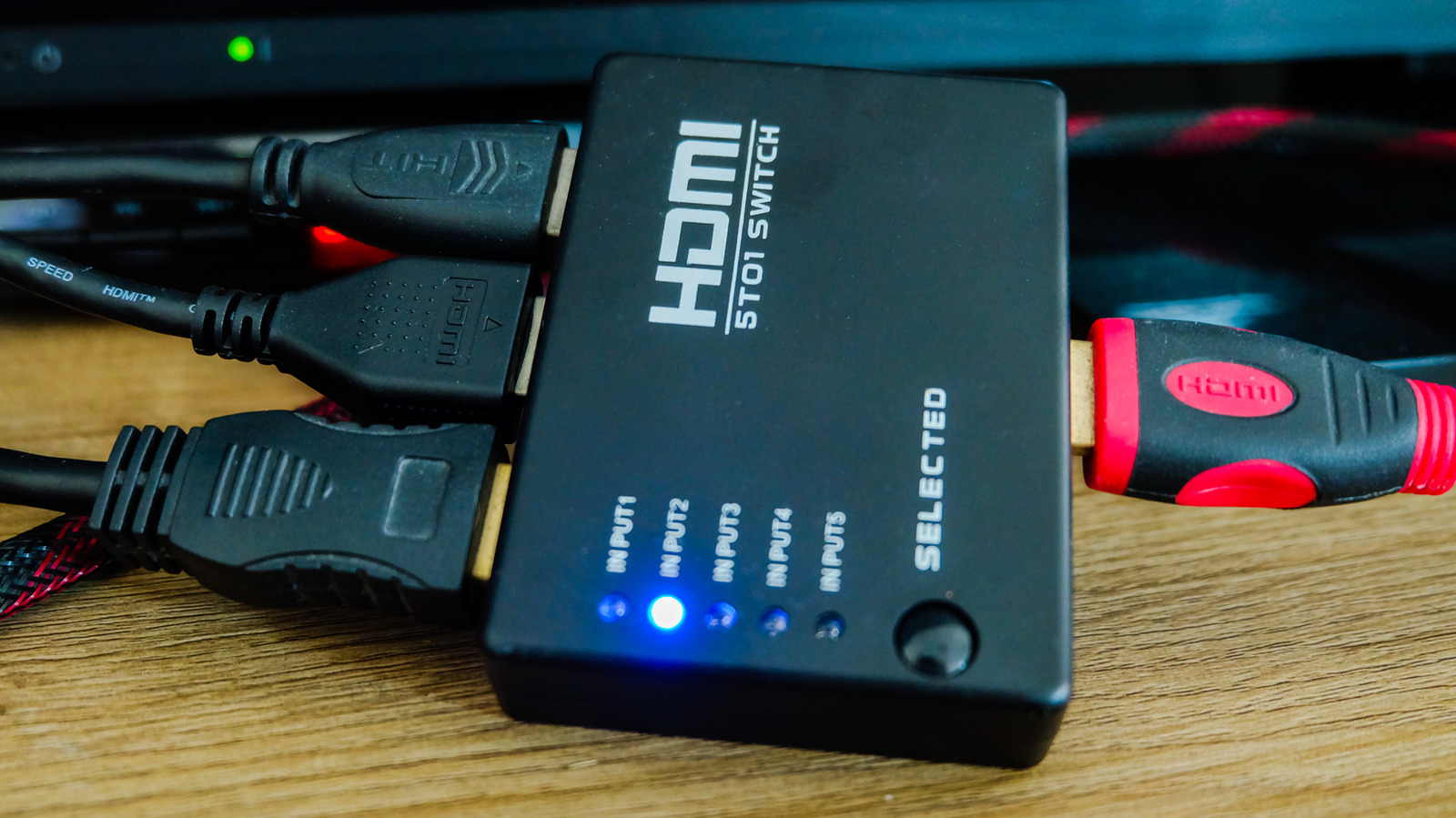
Engadget has published a technical guide distinguishing between HDMI splitters and switches, clarifying their respective functions for consumer electronics. The article notes that while the devices appear similar, they serve opposite purposes in home and commercial setups. HDMI switches route multiple input devices to a single display, reducing physical wear on television ports and minimising cable clutter. Conversely, splitters duplicate a single input signal across multiple displays, a configuration useful for mirroring content such as sports feeds or game consoles to several screens simultaneously.
The guide advises consumers to prioritise HDMI 2.1 standards to ensure compatibility with high-bandwidth features. This standard supports 4K resolution at 120Hz, dynamic HDR, variable refresh rate, and eARC for uncompressed audio transmission. Although HDMI 2.2 is noted as the latest version at the time of writing, it is not yet widely adopted, making HDMI 2.1 the practical choice for future-proofing home theatre systems. The article highlights that dynamic HDR adjusts visuals on a per-frame basis, while variable refresh rate eliminates screen tearing by matching the TV’s frame rate to the output device.
For signal reliability, particularly with 4K content, Engadget recommends using active models with dedicated power sources rather than passive ones. Passive models draw power solely from the HDMI connection, which can lead to signal dropouts in more demanding setups. The guide also addresses resolution handling, noting that standard splitters operate on a lowest common denominator basis. This means connecting a 1080p display alongside a 4K screen will result in both outputs being downgraded to 1080p unless the unit is specifically labelled as capable of downscaling.
Copyright protection remains a critical consideration, with the article highlighting HDCP 2.3 as the current standard for safeguarding digital content. While HDCP 2.2 remains functional for most devices, newer hardware should support the latest protocol to avoid output failures. The guide also warns that HDMI cables may experience signal degradation over distances exceeding 25 feet, necessitating active cables or signal extenders for long-range installations.
While combination matrix splitters exist, the article suggests they are significantly more expensive than purchasing standalone units. Engadget concludes that for most users, investing in separate switches or splitters tailored to specific needs offers a more cost-effective solution than opting for all-in-one matrix models.