Engadget argues 4K monitors offer better value than 5K for gamers
New analysis suggests the emerging 5K standard is better suited to professional creative workflows, while 4K remains the optimal balance for performance and cost in gaming.
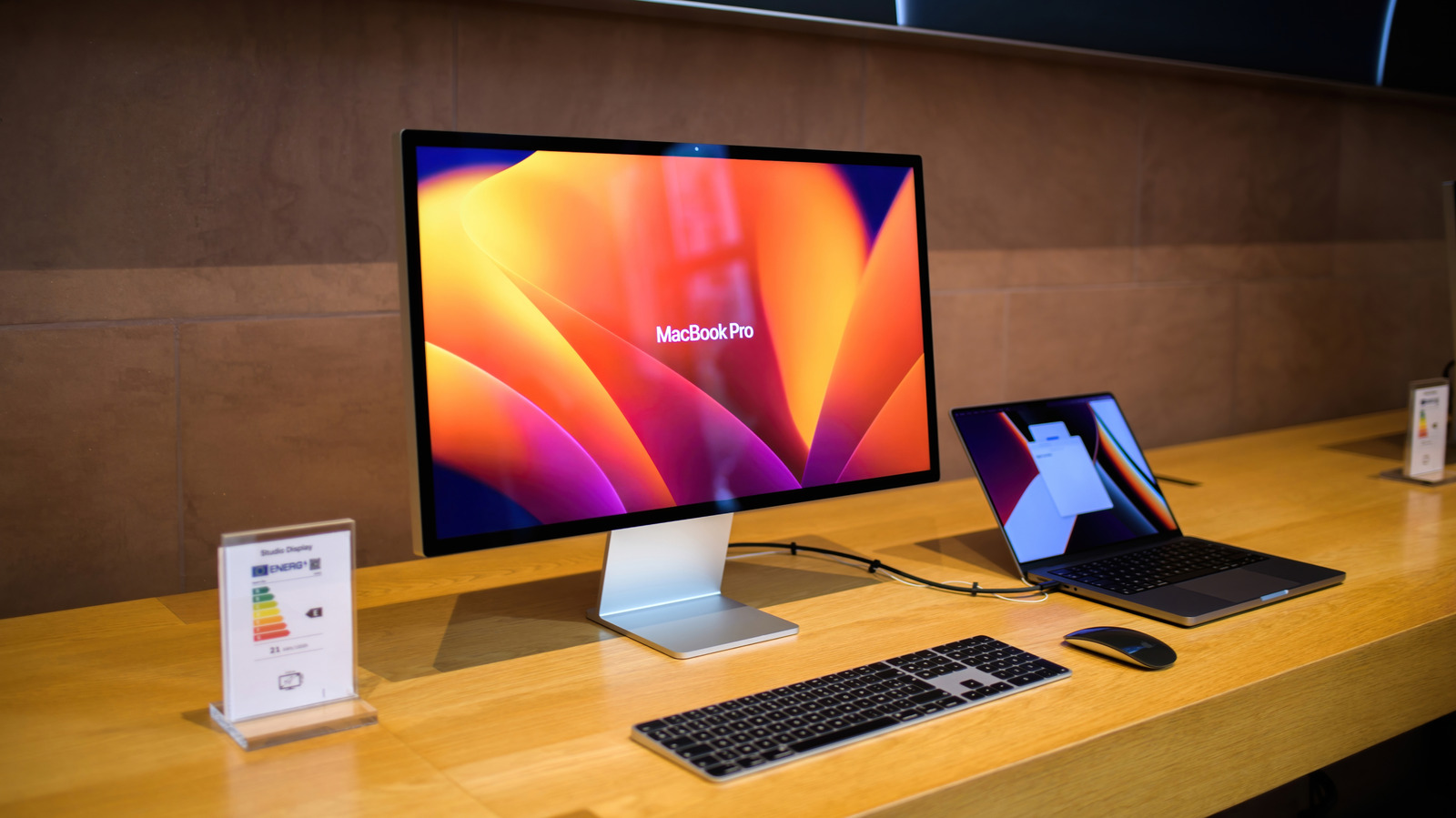
Engadget has published an analysis advising gamers to prioritise 4K monitors over the emerging 5K standard, citing superior value and performance for gaming workloads. The article argues that while 5K displays offer higher pixel density, they are currently better suited to professional creative workflows rather than gaming due to higher costs, lower refresh rates, and greater demands on graphics hardware.
The core of the argument rests on the disparity in pixel density and its practical application. At a resolution of 5120 x 2880, 5K monitors offer 77 per cent more pixels than 4K panels, which operate at 3840 x 2160. Engadget notes that this sharpness is ideal for graphics professionals who regularly edit images or Ultra HD video content, where clarity at close range is critical. However, for the average gamer, this extra resolution often comes with significant trade-offs.
Price remains a primary hurdle for 5K adoption. According to the report, the cheapest 5K monitor currently on the market is the ASUS ProArt Display PA27JCV, which retails for approximately $650. By contrast, entry-level 4K monitors can start around $200. This price gap makes 4K a more accessible option for consumers seeking high-resolution gaming without the premium associated with professional-grade displays.
Performance metrics further favour 4K for competitive gaming. The fastest 4K panels, such as the MSI MPG 272URX QD-OLED, support refresh rates up to 240Hz. In comparison, the quickest 5K monitors, like the AOC Agon Pro AGP277KX, are typically capped between 165Hz and 180Hz. While sufficient for single-player titles, Engadget suggests that eSports players may find the lower refresh rates of 5K displays too sluggish.
Hardware requirements also skew in favour of 4K. To play modern AAA games natively at 5K with acceptable frame rates, users likely need the Nvidia GeForce RTX 5090, the current most powerful GPU. For 4K gaming at 60 frames per second or above, an Nvidia RTX 4070 or AMD Radeon RX 9070 XT is recommended. Even for ray-traced titles at native 4K with high frame rates, an RTX 5080 or 5090 is suggested, but the barrier to entry remains lower than for 5K.
The article also advises gamers with aging GPUs to consider 1440p monitors to maintain responsive frame rates. It notes that pixels per inch (PPI) matters more than raw resolution, meaning a smaller, high-density 1440p display can appear sharper than a larger 4K or 5K panel. Ultimately, Engadget concludes that 4K remains the optimal balance for most gamers, while 5K serves a more niche professional audience.