Engadget analysis highlights workflow trade-offs for Android users switching to iOS
While iPhones retain advantages in build quality and integration, Engadget notes that migrating from Android requires adapting to reduced control over notifications, inconsistent back-gestures, and slower wired charging speeds.
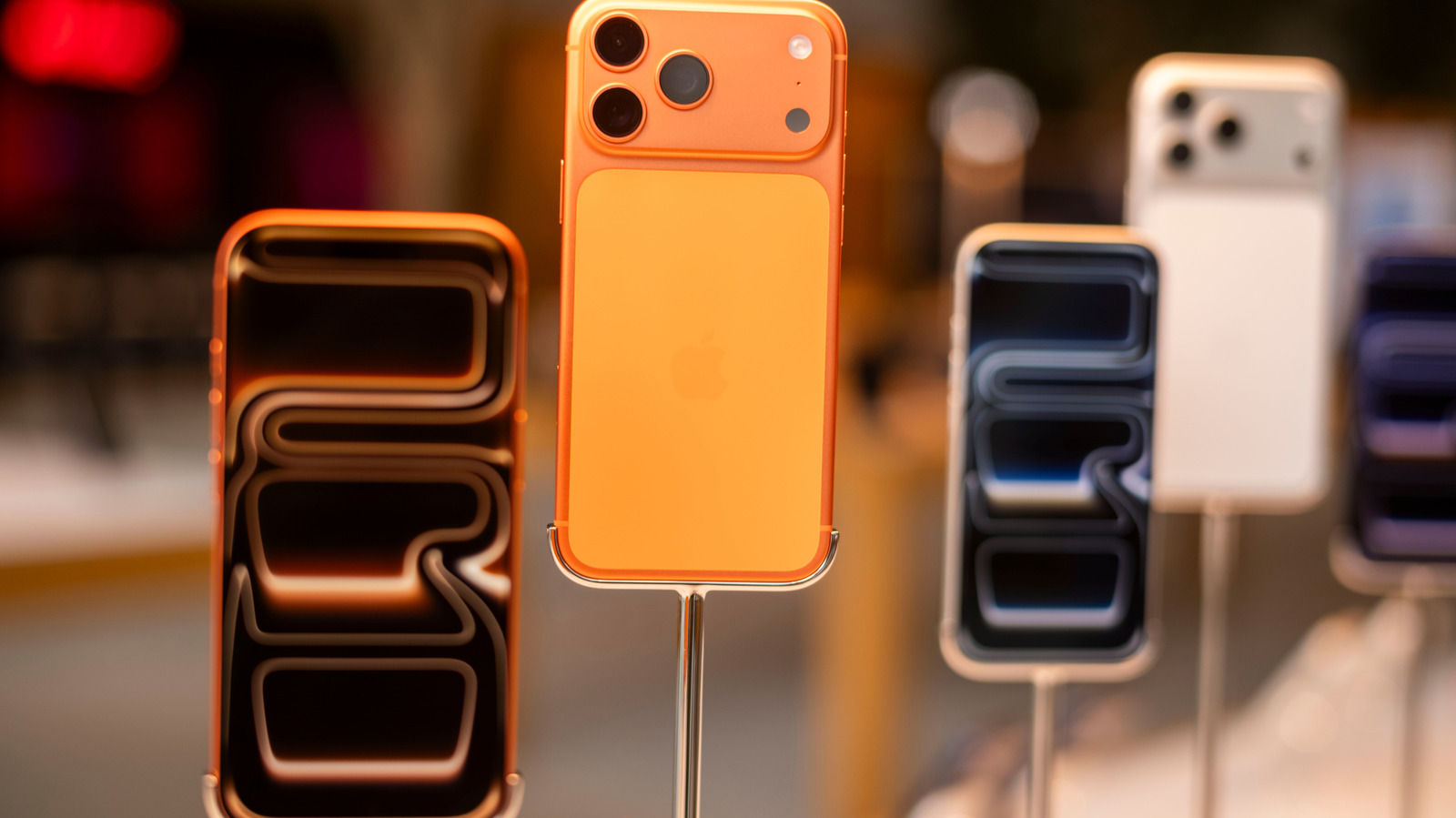
Engadget has published an analysis outlining the specific workflow and habit adjustments required when migrating from Android to iOS. The report acknowledges that while the fluid performance, tight hardware-software integration, and premium build quality of iPhones attract many users, established Android workflows do not carry over seamlessly. The publication advises prospective switchers to anticipate several functional differences to avoid surprises on day one.
One of the most significant adjustments involves notification management. The analysis notes that iOS users lose granular control over alerts, such as the ability to mark messages as read or send smart replies directly from the lock screen. Unlike Android, which allows users to filter notifications by type—for instance, permitting delivery updates while blocking marketing messages—iOS primarily offers per-app toggles for banners, sounds, and badges, providing less depth in notification handling.
Interaction gestures also present a learning curve. While Android devices offer a consistent right-to-left swipe from either screen edge to navigate back, iOS support for left-edge swipes is inconsistent across applications. Some apps do not support this gesture, requiring users to reach for small back buttons located at the top corners of the screen. The report suggests that overcoming this muscle memory can be particularly challenging for users with smaller hands.
Keyboard functionality remains another area of restriction. Although third-party options like Gboard and SwiftKey are available on iOS, Apple limits their system access. Even with "Full Access" enabled, these keyboards cannot interact with secure text fields. The system automatically reverts to the native Apple keyboard when users attempt to enter passwords or credit card details, a friction point for those accustomed to the predictive capabilities of Android keyboards.
Charging speeds further highlight the disparity between the platforms. The newest iPhones support up to 40W wired charging, which lags behind competitors. The analysis cites Samsung’s S26 Ultra as supporting 60W, allowing a charge to approximately 75 percent in half an hour. Chinese manufacturers such as OnePlus and Xiaomi are noted for offering even faster wired charging speeds ranging from 80W to 120W.
Despite these limitations, the Engadget piece concludes that the iPhone remains a viable option for those who prioritise ecosystem integration and hardware quality. The report emphasises that while iOS has become more customisable in recent years, allowing for icon tinting and lock screen adjustments, it still lacks the depth of custom launchers found on Android. Ultimately, the decision to switch depends on whether users value these specific trade-offs against the benefits of the Apple ecosystem.