Energy security pact forged between Tokyo and Middle East amid Strait of Hormuz concerns
Officials agree to cooperate on stabilising energy flows following reports that the critical maritime chokepoint is effectively blocked
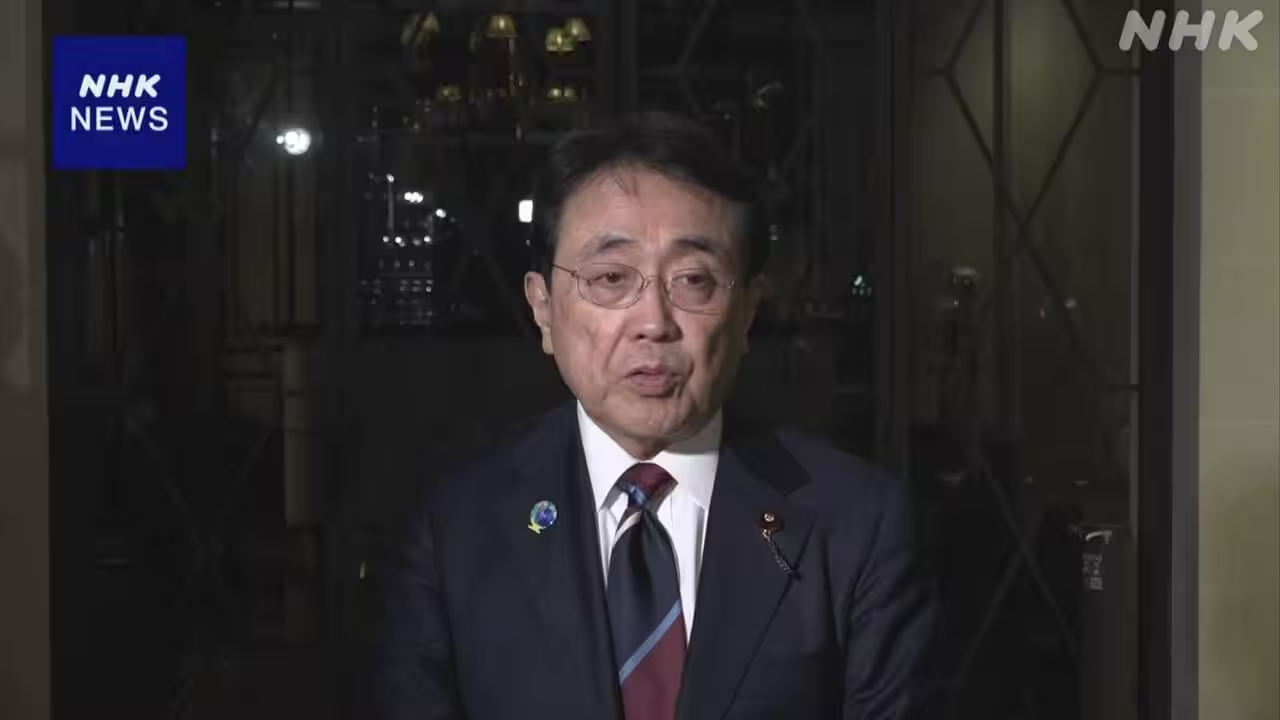
Japanese Minister of Economy, Trade and Industry Akira Arazawa has concluded a diplomatic mission to the Middle East, visiting Saudi Arabia and the United Arab Emirates in succession. The primary objective of these high-level engagements was to address urgent concerns regarding the stability of crude oil supplies for Japan.
The diplomatic push occurred against a backdrop of significant regional instability. Reports indicate that the Strait of Hormuz, a vital maritime chokepoint for global energy transport, is effectively blocked. In response to this developing situation, officials from Japan, Saudi Arabia, and the UAE have reached an agreement to cooperate on ensuring a stable supply of crude oil.
This coordination represents a direct policy response to the potential disruption of energy flows through the strait. While the source material confirms the intent to collaborate, it does not specify the binding nature of the arrangement, such as whether it constitutes a formal treaty or a verbal understanding. Consequently, the specific terms regarding volume guarantees, duration, or financial arrangements remain undisclosed in the available reporting.
The visit, which took place on 6 May 2026, underscores the strategic importance placed on energy security amidst regional volatility. By engaging directly with major oil-producing nations, the Japanese government aims to mitigate risks associated with the blockade reports. This engagement is part of broader efforts to secure reliable energy sources and maintain economic stability in the face of external threats to supply chains.
The agreement highlights the interdependence between Tokyo and key Middle Eastern producers in the current geopolitical climate. With the Strait of Hormuz status described as effectively blocked based on current reports, the cooperative framework serves as a critical mechanism to manage the potential fallout on global energy markets.
While the specifics of the operational details are not yet public, the consensus among the parties involved points to a unified approach to navigating the crisis. The focus remains on practical cooperation to sustain crude oil availability, reflecting a shift in policy towards immediate risk mitigation rather than long-term strategic planning in the short term.