Eleven dead as Kashmir clashes erupt ahead of JAAC rally
Police and Joint Awami Action Committee supporters exchange fire in Pakistan-administered Kashmir, leaving at least 11 dead and dozens injured one day before a major protest.
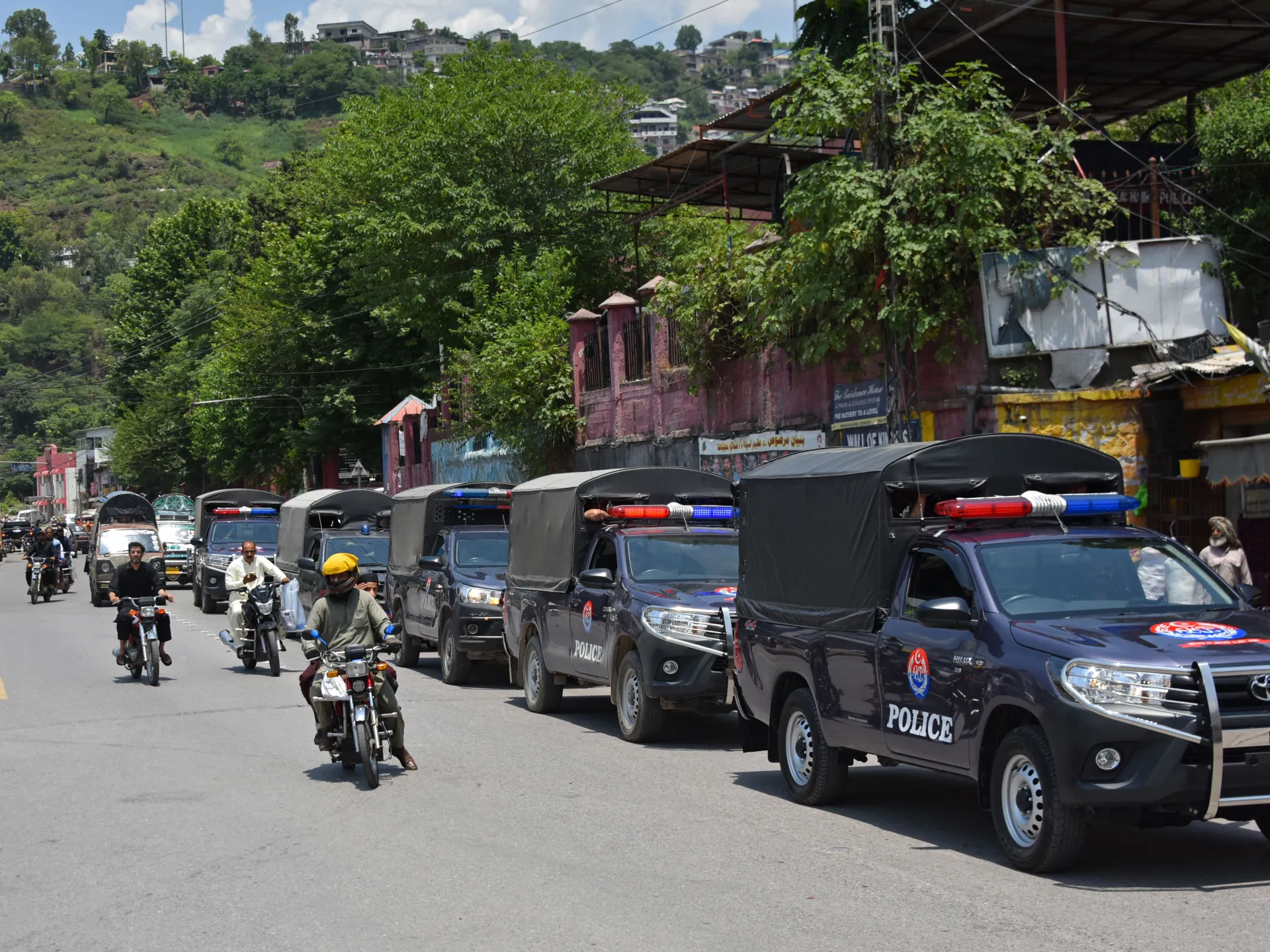
At least 11 people were killed and dozens injured during clashes between police and supporters of the outlawed Joint Awami Action Committee (JAAC) in Rawalakot, Pakistan-administered Kashmir, on Sunday. The violence erupted one day before a planned protest rally scheduled for Tuesday, 9 June, following a Supreme Court of Pakistan-administered Kashmir ruling that 12 legislative seats reserved for Kashmiri refugees living in Pakistan are constitutionally protected.
The unrest was precipitated by the court’s decision that the refugee seats cannot be abolished without a constitutional amendment. The JAAC has long demanded greater political rights for people in the region and the abolition of these seats, arguing that refugees hold disproportionate influence. Authorities had designated the JAAC as a proscribed group under anti-terror laws on Friday, just days before the scheduled demonstration.
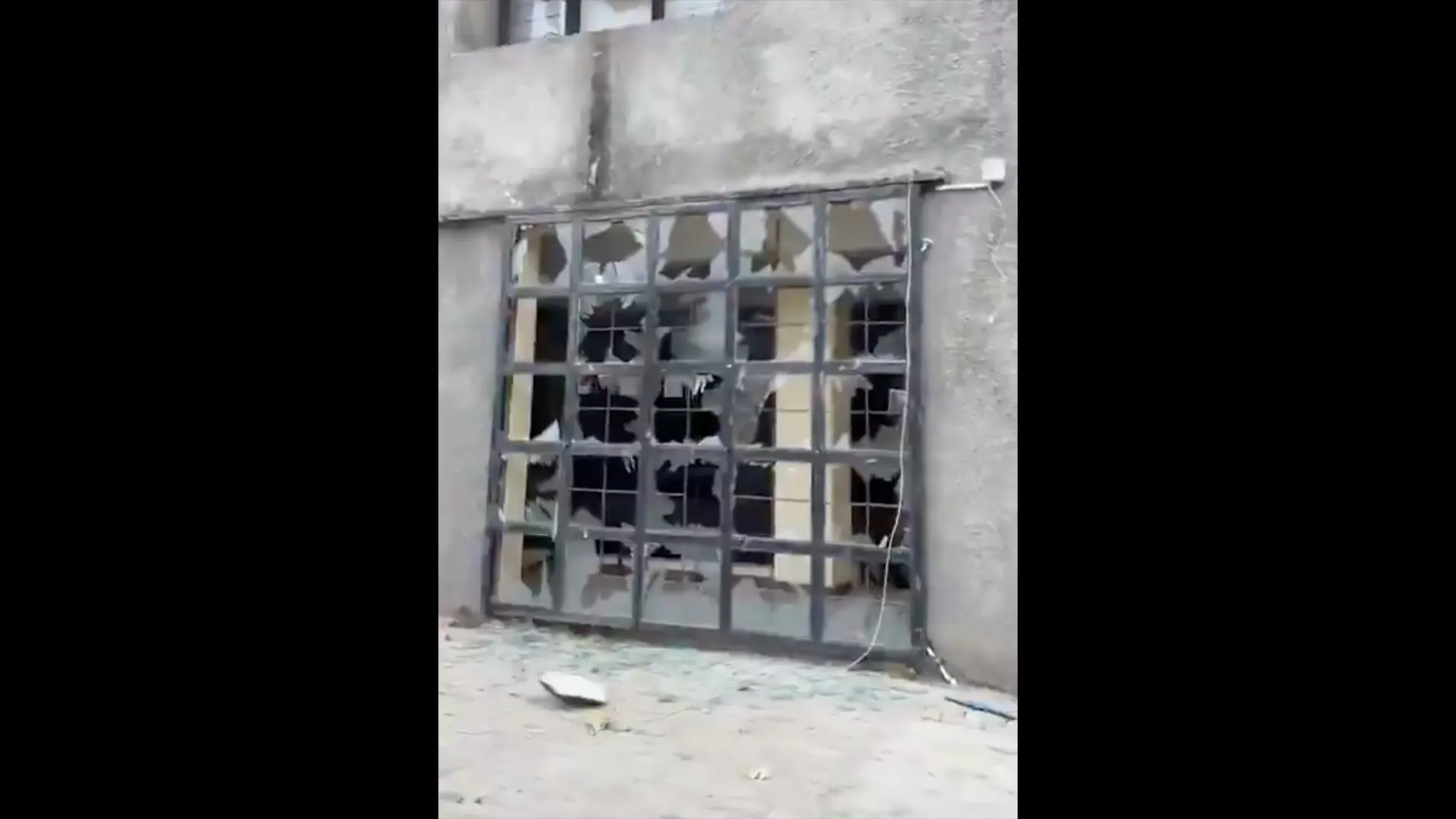
Police Commissioner Sardar Waheed Khan stated that four police officers and one passer-by were killed after being shot at, while six protesters were killed in the law enforcement response. Police Chief Liaqat Malik reported that 23 security officials and 50 protesters were injured, with 30 arrests made. According to the regional police, armed JAAC supporters opened fire on security forces in Rawalakot and subsequently surrounded the Combined Military Hospital, disrupting medical services.
JAAC leader Shaukat Nawaz Mir described the state’s actions as a "massacre" in a video message on X and pledged the group’s unity for the June 9 rally. In contrast, Khan accused protesters of using automatic rifles and petrol bombs to target security forces, stating that the state’s action was meant to restore law and order and that the JAAC leadership was misleading the masses.
The regional government advised domestic and foreign tourists to leave the region ahead of the planned protest. The Himalayan region remains a flashpoint with neighbouring India, and mass demonstrations over the past two years, initially sparked by rising costs of living, have frequently resulted in violent crackdowns by security forces.